
How to Lower Your Average Blood Sugar Levels Naturally
Daily blood sugar checks are common, but did you know that your long-term health depends on your Average Blood Sugar Levels? This is measured through a test called HbA1c. It shows the average glucose in your blood over the past 2-3 months. If your levels are high, making small, natural changes in your daily routine can help bring them back to a healthy range.
Maintaining healthy average blood sugar levels is an important part of overall wellness and daily energy balance. Many people look for natural ways to support this by making small, consistent lifestyle choices. Simple habits such as balanced meals, regular physical activity, proper hydration, quality sleep, and stress management can all play a role in how the body uses glucose. Understanding how everyday routines influence blood sugar can help you make more mindful decisions without feeling overwhelmed. This topic focuses on general, practical approaches that encourage healthier patterns and long-term well-being, rather than quick fixes or extreme methods.
The best way to measure this average BLOOD SUGAR LEVELS, is through the HbA1c test. If your levels are high, there is no need to panic; instead, they can be lowered by adopting certain natural methods.
Table of Contents
What Are Average Blood Sugar Levels?
Average blood sugar levels describe how much glucose is typically present in the bloodstream over a period of time, rather than at a single moment. Glucose comes from the carbohydrates in food and serves as the body’s primary source of energy. After eating, blood sugar levels naturally increase, and between meals they gradually decrease as the body uses that energy.
In adults, normal blood sugar levels generally stay within a balanced range throughout the day, supporting regular physical and mental functions. Learning about glucose levels and their daily patterns can help improve overall awareness of metabolic health.
This information is based on general guidelines commonly shared by recognized health organizations such as the American Diabetes Association (ADA).
Why Blood Sugar Balance Matters in Daily Life
Blood sugar balance plays an important role in how the body feels and functions throughout the day. Glucose provides energy to the brain, muscles, and organs, so steady blood sugar levels help support consistent energy, focus, and overall comfort. When blood sugar rises or falls too often, it may affect daily routines and make the body feel out of sync.
Maintaining balanced blood sugar is also linked to how the body manages insulin and uses nutrients from food efficiently. Over time, stable blood sugar patterns can support better metabolic balance and long-term wellness. Paying attention to everyday habits such as eating patterns, movement, rest, and stress can make a meaningful difference in supporting healthy blood sugar levels as part of a balanced lifestyle.
Common Signs Linked With Imbalanced Blood Sugar
When blood sugar levels are not well balanced, the body may show certain noticeable changes. Some people experience frequent tiredness, unusual thirst, or changes in appetite, while others may notice difficulty concentrating or feeling low on energy. These signs can vary from person to person and may appear gradually over time.
In some cases, higher or lower blood sugar levels may also affect sleep patterns or daily comfort. Being aware of these general signs can help individuals pay closer attention to their overall health. This information is meant for awareness only and does not replace medical advice or diagnosis, but it can encourage timely and informed health decisions.
What is HbA1c?
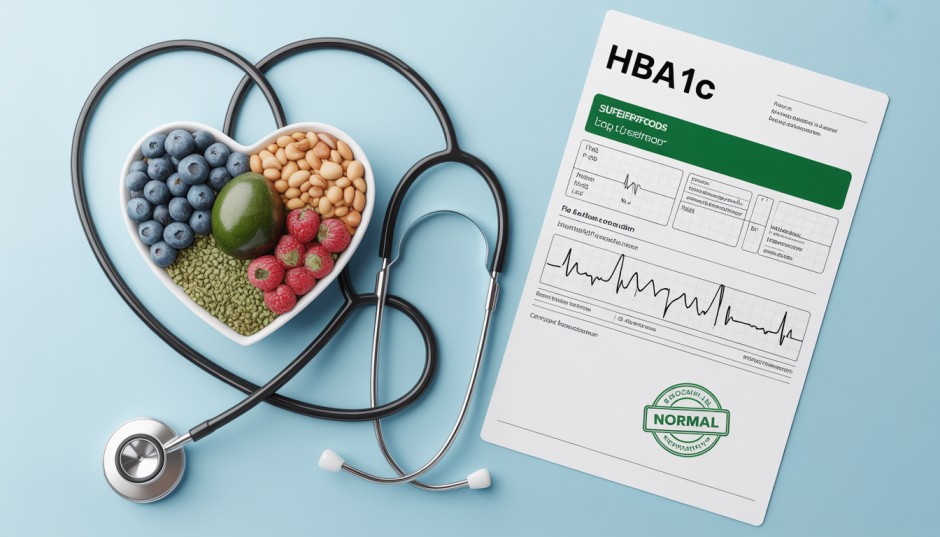
According to the American Diabetes Association (ADA): The A1C test is a vital tool used to diagnose diabetes. It helps you understand how well your treatment plan is working by providing a clear picture of your average blood glucose (blood sugar) over the past two to three months.”
How Does the HbA1c Test Work?
Since the HbA1c test measures your progress over 90 days, it gives you enough time to implement lifestyle changes and see your average blood sugar levels drop naturally before your next lab visit
The HbA1c test is not just a simple blood test; it serves as a long-term “Report Card” for your health. This test is primarily helpful in three critical ways:
- Identification of Prediabetes: This test helps determine your future risk of developing Type 2 diabetes.
- Diagnosis of Diabetes: Doctors use this test to accurately categorize the levels of sugar in your body and diagnose diabetes.
- Treatment Monitoring: If you are already undergoing treatment, this test reveals how effective your lifestyle changes or medications are.
The Big Picture: Monitoring Your Treatment
Although it is a relatively simple blood test, it provides deep insights into your health. The result of this test represents your Average Blood Sugar Level over the past two to three months.
- Understanding the Risk: The higher the average sugar level in the blood, the higher the risk of developing other health issues (complications) related to diabetes.
- When to take the test?: Generally, if your sugar levels are well-controlled, it is advised to take this test twice a year. However, if you have recently changed your lifestyle or treatment plan, your doctor may suggest having the test more frequently to monitor progress.
Why Is This Test Better Than Daily Monitoring?
Daily finger-prick tests only show your sugar levels at that specific moment. In contrast, the HbA1c test reflects your body’s sugar management over a 60-90 day window. This is because sugar sticks to your red blood cells, and those cells live for about three months. Therefore, this test cannot be “cheated” by eating healthy just a day before the lab visit—it reflects your true consistency.
Scientific References:
- American Diabetes Association (ADA): A1C Test and Diabetes Management
- World Health Organization (WHO): Diagnostic Criteria for Diabetes
Standard Blood Sugar Normal Ranges for Adults (Not Pregnant)
Understanding your blood sugar numbers is the first step toward managing your health. Leading healthcare providers, such as Apollo Hospital, define “normal” ranges based on extensive clinical studies. These benchmarks help you and your doctor determine how well your body is processing glucose.
Below is the standard chart for adults. Use this to compare your current HbA1c test results and understand where your average blood sugar levels stand according to clinical benchmarks
1. Fasting Plasma Glucose (FPG)
This test is taken after you have not eaten for at least 8 hours (usually overnight). According to Apollo’s clinical standards, the ranges are:
- Normal: 70–99 mg/dL
- Prediabetes: 100–125 mg/dL
- Diabetes: 126 mg/dL or higher (confirmed on two separate days)
2. Post-Meal (Postprandial) Glucose
This reflects how your body handles sugar after a meal, usually tested 2 hours after you start eating.
- Normal (No Diabetes): Below 140 mg/dL.
- Target for Diabetics: Many guidelines recommend keeping this below 180 mg/dL to prevent long-term health complications.
3. Random Blood Sugar Test
A random glucose test can be performed at any time. if a person has classic symptoms of high blood sugar (like extreme thirst or frequent urination), a random reading of ≥200 mg/dL may indicate diabetes and requires confirmatory testing.
| Test Type | Normal Range | Prediabetes Range | Diabetes Range |
| Fasting Glucose | 70–99 mg/dL | 100–125 mg/dL | ≥126 mg/dL |
| Post-Meal (1-2 hrs) | <140 mg/dL | 140–199 mg/dL | ≥200 mg/dL |
| A1C (3-Month Avg) | Below 5.7% | 5.7% – 6.4% | ≥6.5% |
| Random Glucose | <140 mg/dL | N/A | ≥200 mg/dL* |
4. A1C (Glycated Hemoglobin)
The A1C test provides a “big picture” of your average blood sugar over the past 3 months.
- Normal: Below 5.7%
- Prediabetes: 5.7% – 6.4%
- Diabetes: 6.5% or higher
Sources:
- Apollo Hospitals: Blood Sugar Levels – Normal, High & Low Ranges
- American Diabetes Association (ADA): Understanding A1C and Glucose Targets
- World Health Organization (WHO): Global Report on Diabetes
Lifestyle Factors That Help Lower Your Average Blood Sugar Levels
According to the American Diabetes Association (ADA) guidelines on lifestyle management, managing your daily habits is just as important as medical treatment for stabilizing your HbA1c test results.
Each lifestyle change you make, from better sleep to more water intake, works synergistically to lower your average blood sugar levels naturally. You don’t need drastic changes; consistent efforts will eventually reflect in a lower HbA1c test score
1. Physical Activity and Insulin Sensitivity
The ADA emphasizes that regular movement makes your body more sensitive to insulin.
- The Impact: Exercise allows your muscles to use blood sugar for energy. Over time, this lowers your average blood sugar levels naturally.
- Reference: ADA Fitness Guidelines
2. Stress Management and Glucose Spikes
Mental health plays a direct role in glucose regulation. When you are under stress, the body releases hormones that can cause unpredictable spikes in blood sugar.
- The Impact: Chronic stress keeps your cortisol levels high, which negatively impacts your long-term average.
- Reference: ADA – Stress and Diabetes
3. Sleep Hygiene
Poor sleep patterns can interfere with how your body processes insulin. The ADA notes that staying rested is a key pillar of diabetes management.
- The Impact: Getting 7-8 hours of sleep helps maintain a stable metabolic rate, which is reflected in better HbA1c test scores.
4. Hydration and Flush-out Mechanism
Staying hydrated helps your kidneys filter excess glucose.
- The Impact: When you drink enough water, your blood becomes less concentrated with sugar, helping to lower your average blood sugar levels naturally.
Natural Tips to Improve Your Average Blood Sugar Levels

To see a real difference in your HbA1c test results, you need to be consistent with these natural lifestyle changes:
- Switch to Low GI Foods: Choose whole grains over refined carbs to keep your average blood sugar levels stable.
- Daily Physical Activity: Walking for 30 minutes daily is a proven way to lower sugar naturally.
- Monitor Your Portions: Using smaller plates helps manage glucose intake without feeling deprived.
- Stay Hydrated: Drinking enough water helps your body process glucose better, lowering your average over time.
- Quality Sleep: 7-8 hours of sleep improves insulin sensitivity naturally
Key Insight: Role of Fiber & Hydration
To lower your average blood sugar levels naturally, prioritize soluble fiber and consistent hydration. Fiber slows glucose absorption, preventing sharp spikes after meals, which is crucial for a better HbA1c test result. Remember, your body processes sugar most efficiently when you are active and well-hydrated throughout the day
Summary: Mastering Your HbA1c Test Results To effectively manage your average blood sugar levels, you must look at the big picture. The HbA1c test is your primary tool for this. While medications have their place, focusing on lowering your average blood sugar levels naturally through diet, sleep, and stress management offers long-term benefits. Always remember that a lower HbA1c test score is a result of consistent, daily natural habits.
Conclusion : In conclusion, your HbA1c test is more than just a number; it’s a roadmap for your health. By focusing on lowering your average blood sugar levels naturally, you take control of your future. Start small, stay consistent, and watch your average blood sugar levels improve with every passing month
Frequently Asked Questions (FAQ)
What is the role of dietary fiber and walking in managing blood sugar?
Dietary fiber (found in green leafy vegetables and whole grains) slows down the absorption of sugar into the bloodstream, preventing sudden spikes. Similarly, brisk walking for 15-20 minutes after meals improves insulin sensitivity, helping your body process glucose more effectively. Together, they form a powerful natural strategy for sugar management.
Can mental stress affect my HbA1c test results?
Yes, chronic stress triggers the release of hormones like cortisol, which signals the liver to release extra glucose. This can lead to consistently higher blood sugar levels, even if your diet is controlled. Therefore, managing stress through adequate sleep and relaxation techniques is just as vital as diet and exercise for a healthy HbA1c report.
Are home remedies enough to control high blood sugar?
While certain home remedies like fenugreek seeds or cinnamon may offer supportive benefits, they are not a substitute for professional medical treatment. Always consult with a qualified healthcare provider before starting any home remedy to ensure it doesn’t interfere with your prescribed medications or overall health plan.
Can HbA1c levels be lowered in 10-15 days?
No, it is scientifically impossible to lower HbA1c levels in such a short period. HbA1c measures your average blood sugar over the past 2 to 3 months, based on the lifespan of your red blood cells (RBCs). So any lifestyle changes you make today will only reflect accurately in your report after at least 90 days.
About the Author: Pharmacist (D.Pharm)
As a Pharmacist ,Paresh Shah brings practical healthcare expertise and a deep understanding of patient care to the digital world. Having worked closely with medications and patient counseling, he understands that managing diabetes is not just about pills, but about the right lifestyle choices.
He specializes in simplifying medical concepts, helping people understand their HbA1c test results and providing science-backed tips to manage average blood sugar levels naturally. His goal is to provide reliable, pharmacist-verified information that helps you lead a healthier, more balanced life.
Medical Disclaimer : The information provided in this blog post is for informational and educational purposes only and is not intended as medical advice, diagnosis, or treatment. Always seek the advice of your physician or other qualified health provider with any questions you may have regarding a medical condition. Never disregard professional medical advice or delay in seeking it because of something you have read on this website. Natural methods to lower average blood sugar levels should be discussed with your healthcare provider, especially if you are currently on medication or have an upcoming HbA1c test.