

TRUSTED SOURCE | HEALTH TIPS | PRODUCT REVIEWS | LATEST EDITION
How to Lower Your Average Blood Sugar Levels Naturally

Daily blood sugar checks are common, but long-term glucose management is often assessed by looking at your average blood sugar levels. This is measured through a test called HbA1c. It shows the average glucose in your blood over the past 2-3 months. If your levels are high, making small, natural changes in your daily routine can help support healthier glucose levels over time.
Maintaining healthy average blood sugar levels is an important part of overall wellness and daily energy balance. Many people look for natural ways to support this by making small, consistent lifestyle choices. Simple habits such as balanced meals, regular physical activity, proper hydration, adequate sleep, and stress management can all play a role in how the body uses glucose. Understanding how everyday routines influence blood sugar can help you make more mindful decisions without feeling overwhelmed. This topic focuses on general, practical approaches that encourage healthier patterns and long-term well-being, rather than quick fixes or extreme methods.
One of the most widely used ways to assess long-term blood sugar management is the HbA1c test. Unlike a single glucose reading, it reflects your average blood sugar levels over approximately two to three months. Understanding this measurement can help you make informed lifestyle choices that support long-term health.
What Are Average Blood Sugar Levels?
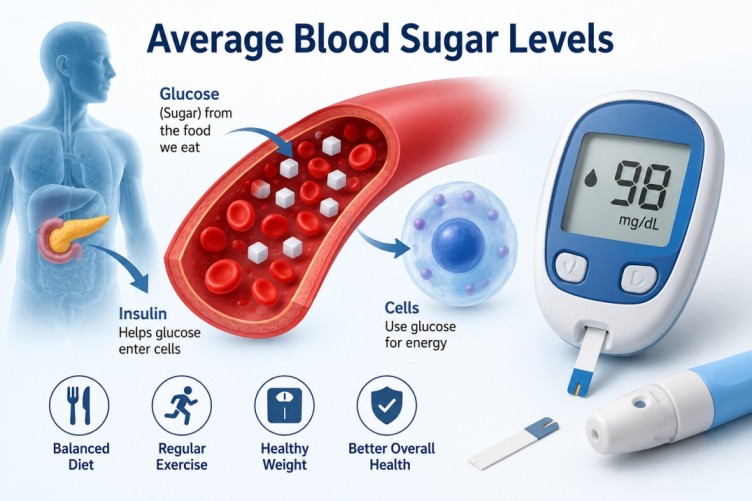
Average blood sugar levels refer to the amount of glucose present in your bloodstream over an extended period rather than at a single point in time. Glucose comes from the carbohydrates you eat and serves as the body’s primary source of energy. After meals, blood sugar naturally rises before gradually returning toward its usual range as the body uses or stores glucose.
In healthy adults, blood sugar is typically regulated within a healthy range throughout the day, helping support normal body functions. Learning how glucose levels change during daily activities can help you better understand your overall health.
This information is based on general guidelines commonly shared by recognized health organizations such as the American Diabetes Association (ADA).
Why Blood Sugar Balance Matters in Daily Life
Blood sugar balance plays an important role in how the body feels and functions throughout the day. Glucose provides energy to the brain, muscles, and other organs, so maintaining healthy average blood sugar levels can help support consistent energy, focus, and everyday well-being. When blood sugar fluctuates frequently, it may affect daily routines and overall comfort.
Maintaining stable glucose levels is also closely linked to how efficiently the body uses insulin and converts nutrients into energy. Developing healthy habits such as balanced meals, regular physical activity, adequate sleep, and stress management can support long-term glucose balance and overall wellness.
Common Signs of Imbalanced Blood Sugar
When blood sugar levels become imbalanced, the body may begin to show noticeable changes over time. Some of the common signs of high blood sugar include frequent tiredness, increased thirst, changes in appetite, difficulty concentrating, and lower energy levels. These symptoms can vary from person to person and may develop gradually rather than appearing all at once.
In some cases, fluctuating blood sugar levels may also influence sleep quality, mood, or overall daily comfort. Recognizing these general warning signs can help individuals become more aware of their health and encourage timely conversations with a healthcare professional when needed. This information is provided for educational purposes only and should not be considered medical advice or a diagnosis.
What is HbA1c?
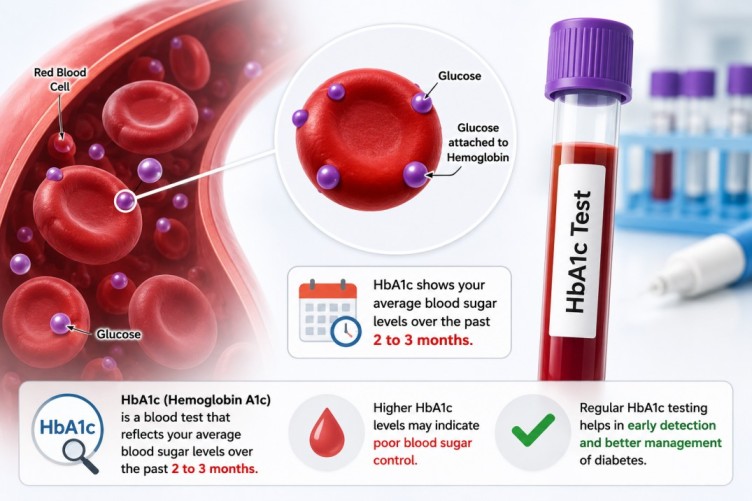
The HbA1c (A1C) test is a commonly used blood test that measures your average blood sugar levels over the previous two to three months. Unlike a single blood glucose reading, it provides a broader picture of how well your body has been managing glucose over time. Healthcare professionals often use the HbA1c test to help diagnose diabetes, monitor blood sugar management, and assess long-term glucose control. According to the American Diabetes Association (ADA), the A1C test is an important tool for evaluating long-term blood glucose trends.
How Does the HbA1c Test Work?
The HbA1c test works by measuring the percentage of hemoglobin in your red blood cells that has glucose attached to it. Because red blood cells typically live for about 90 to 120 days, the test reflects your average blood sugar over an extended period rather than a single day. This provides healthcare professionals with a clearer understanding of long-term glucose patterns instead of short-term fluctuations.
The HbA1c test is not just a simple blood test; it serves as a long-term “Report Card” for your health. This test is primarily helpful in three critical ways:
- Identify Prediabetes: Help determine whether blood sugar levels are higher than normal and whether an individual may be at increased risk of developing type 2 diabetes.
- Diagnose Diabetes: Support the diagnosis of diabetes when interpreted alongside other clinical findings and laboratory tests.
- Monitor Blood Sugar Management: Evaluate how lifestyle changes or prescribed treatments are helping maintain healthy blood sugar levels over time.
Why Regular HbA1c Monitoring Matters
Although the HbA1c test is a simple blood test, it provides valuable information about long-term blood sugar management. Tracking HbA1c results over time helps healthcare professionals evaluate overall glucose patterns and determine whether lifestyle habits or treatment plans are supporting healthy blood sugar control.
- Understanding the Risk: Persistently elevated HbA1c levels are associated with a higher risk of diabetes-related complications over time. Monitoring your results regularly can help identify changes early and support informed discussions with your healthcare provider.
- How Often Should the Test Be Performed? For many adults with stable blood sugar management, healthcare professionals may recommend an HbA1c test at least twice a year. If blood sugar levels are changing, or a treatment plan has recently been adjusted, more frequent testing may be recommended based on individual needs.
Why Is HbA1c Different From Routine Blood Sugar Testing?
Daily blood sugar tests provide a snapshot of your glucose level at a single point in time, which can change throughout the day depending on meals, physical activity, stress, or medication. In contrast, the HbA1c test reflects long-term blood sugar trends by measuring the percentage of glucose attached to hemoglobin in red blood cells.
Scientific References:
- American Diabetes Association (ADA): A1C Test and Diabetes Management
- World Health Organization (WHO): Diagnostic Criteria for Diabetes
Normal Blood Sugar Ranges for Adults
Understanding your blood sugar numbers is an important step toward making informed health decisions. Healthcare professionals use established clinical reference ranges to evaluate how the body manages glucose over time. These benchmarks help interpret HbA1c results and provide a clearer picture of long-term blood sugar management.
The table below shows the commonly accepted HbA1c reference ranges for adults who are not pregnant. It can help you understand how average blood sugar levels are generally classified according to current clinical guidelines.
1. Fasting Plasma Glucose (FPG)
The Fasting Plasma Glucose (FPG) test measures your blood sugar level after you have not eaten for at least 8 hours, usually overnight. It is commonly used to help assess blood sugar status and screen for prediabetes or diabetes. Based on widely accepted clinical guidelines, the reference ranges are:
2. Post-Meal (Postprandial) Blood Glucose
The Postprandial Blood Glucose (PPG) test measures your blood sugar approximately 2 hours after the start of a meal. It helps evaluate how effectively the body processes glucose after eating and is commonly used alongside fasting blood sugar and HbA1c tests.
3. Random Blood Sugar Test
A Random Blood Sugar (RBS) test measures your blood glucose at any time of the day, regardless of when you last ate. It may be used when a person has symptoms that suggest high blood sugar or diabetes.
4. A1C (Glycated Hemoglobin)
The A1C (HbA1c) test is commonly used to evaluate long-term blood sugar management and is an important tool for screening, diagnosing, and monitoring diabetes. Unlike single blood sugar readings, it helps healthcare professionals assess overall glucose control over time.
| Test Type | Normal Range | Prediabetes Range | Diabetes Range |
| Fasting Glucose | 70–99 mg/dL | 100–125 mg/dL | ≥126 mg/dL |
| Post-Meal (1-2 hrs) | <140 mg/dL | 140–199 mg/dL | ≥200 mg/dL |
| A1C (3-Month Avg) | Below 5.7% | 5.7% – 6.4% | ≥6.5% |
| Random Glucose | <140 mg/dL | N/A | ≥200 mg/dL |
References
- Apollo Hospitals: Blood Sugar Levels – Normal, High & Low Ranges
- American Diabetes Association (ADA): Understanding A1C and Glucose Targets
- World Health Organization (WHO): Global Report on Diabetes
Lifestyle Factors for Healthy Blood Sugar
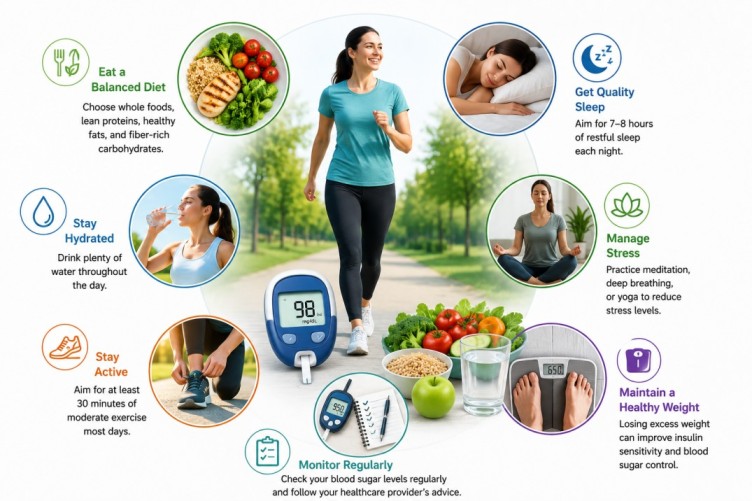
According to the American Diabetes Association (ADA), healthy lifestyle habits play an important role in supporting overall blood sugar management alongside medical care when needed. Everyday choices such as balanced nutrition, regular physical activity, adequate sleep, proper hydration, and stress management can contribute to long-term metabolic health.
Rather than relying on drastic changes, focusing on small, consistent lifestyle improvements may help support healthy average blood sugar levels over time. When combined with guidance from a healthcare professional, these habits can contribute to better long-term glucose management and overall well-being.
1. Physical Activity and Insulin Sensitivity
The American Diabetes Association (ADA) highlights regular physical activity as an important part of healthy blood sugar management. Consistent exercise can help improve insulin sensitivity, allowing the body to use glucose more efficiently for energy.
- The Impact: Regular movement may help support healthy average blood sugar levels over time while also contributing to overall metabolic health when combined with a balanced lifestyle.
- Reference: American Diabetes Association (ADA) – Physical Activity Guidelines
2. Stress Management and Blood Sugar Balance
The American Diabetes Association (ADA) recognizes that stress can influence blood sugar management. During periods of physical or emotional stress, the body releases hormones such as cortisol and adrenaline, which may affect how glucose is regulated.
- The Impact: Managing stress through healthy habits such as relaxation techniques, regular physical activity, mindfulness, or adequate sleep may help support healthy average blood sugar levels as part of an overall balanced lifestyle.
- Reference: American Diabetes Association (ADA) – Stress and Diabetes
3.Healthy Sleep Habits
The American Diabetes Association (ADA) recognizes that adequate sleep is an important part of overall blood sugar management. Poor sleep quality or insufficient sleep may affect insulin sensitivity and the body’s ability to regulate glucose efficiently.
- The Impact: Getting enough quality sleep each night may help support healthy glucose metabolism and overall metabolic health as part of a balanced lifestyle.
- Reference: American Diabetes Association (ADA) – Sleep Health and Diabetes
4.Staying Hydrated
Staying well hydrated supports many essential body functions, including normal kidney function and overall metabolic health. Adequate fluid intake also helps the body maintain healthy physiological processes involved in glucose regulation.
- The Impact: Drinking enough water may support healthy blood sugar management as part of an overall balanced lifestyle. Proper hydration is most effective when combined with healthy eating, regular physical activity, and other positive lifestyle habits.
- Reference: American Diabetes Association (ADA) – Hydration and Diabetes
Frequently Asked Questions (FAQs)
What is the role of dietary fiber and walking in managing blood sugar?
Dietary fiber, found in foods such as vegetables, fruits, legumes, and whole grains, may help slow the absorption of glucose after meals, supporting more stable blood sugar levels. Regular physical activity, including a brisk walk after eating, can also support healthy glucose metabolism and overall blood sugar management as part of a balanced lifestyle. Combining a fiber-rich diet with regular movement is widely recommended as part of a healthy approach to long-term metabolic wellness.
Can mental stress affect my HbA1c test results?
Yes. Chronic stress may influence blood sugar management by increasing the release of stress hormones such as cortisol, which can affect how the body regulates glucose. Over time, unmanaged stress may contribute to changes in blood sugar patterns for some individuals.
Managing stress through healthy habits such as regular physical activity, adequate sleep, relaxation techniques, and mindfulness may support overall metabolic health and healthy blood sugar management as part of a balanced lifestyle.
Are home remedies enough to control high blood sugar?
Home remedies and healthy lifestyle practices may support overall blood sugar management, but they should not replace professional medical care or prescribed treatment. A balanced diet, regular physical activity, adequate sleep, stress management, and routine medical follow-up are all important parts of maintaining healthy blood sugar levels.
If you are considering herbal remedies or dietary supplements, consult a qualified healthcare professional first to ensure they are appropriate for your individual health needs and do not interact with any medications you may be taking.
Can HbA1c levels be lowered in 10-15 days?
No. The HbA1c test reflects your average blood sugar levels over approximately the previous two to three months, so significant changes are not typically seen within just 10 to 15 days. While healthy lifestyle changes can begin supporting blood sugar management immediately, meaningful improvements in HbA1c generally become more apparent over time as new red blood cells replace older ones.
For the best results, focus on consistent healthy habits such as balanced nutrition, regular physical activity, adequate sleep, stress management, and following your healthcare professional’s recommendations.
Can diet alone keep blood sugar levels within a healthy range?
Diet plays an important role in supporting healthy blood sugar levels, but it is only one part of overall glucose management. Regular physical activity, quality sleep, stress management, routine medical checkups, and following your healthcare professional’s advice also contribute to maintaining long-term metabolic health and overall wellness.
Conclusion
Understanding your HbA1c test and average blood sugar levels is an important step toward making informed health decisions. While no single habit can determine long-term glucose management, consistent lifestyle practices such as balanced nutrition, regular physical activity, adequate sleep, stress management, and proper hydration can all support overall metabolic health.
By focusing on sustainable daily habits and working with a healthcare professional when needed, you can take a proactive approach to supporting healthy blood sugar management and long-term well-being.
About the Author
Paresh Shah holds a Diploma in Pharmacy (D.Pharm) and is committed to making health information clear, accurate, and easy to understand. His content focuses on explaining medical topics in simple language, helping readers better understand health conditions, laboratory tests, nutrition, and healthy lifestyle practices based on reliable medical sources.
All content is intended for educational purposes only and should not be considered a substitute for advice from a qualified healthcare professional.
Medical Disclaimer
The information provided in this blog post is for informational and educational purposes only and is not intended as medical advice, diagnosis, or treatment. Always seek the advice of your physician or other qualified health provider with any questions you may have regarding a medical condition. Never disregard professional medical advice or delay in seeking it because of something you have read on this website. Natural methods to lower average blood sugar levels should be discussed with your healthcare provider, especially if you are currently on medication or have an upcoming HbA1c test.