

TRUSTED SOURCE | HEALTH TIPS | PRODUCT REVIEWS | LATEST EDITION
Breathing Exercises for Lung Health: Simple Techniques You Can Do at Home
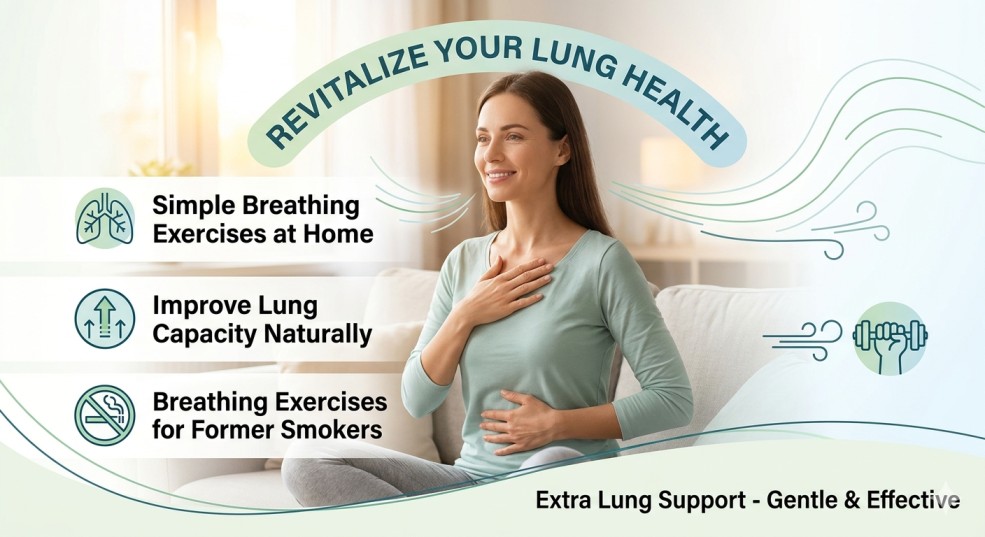
Are you looking for effective breathing exercises for lung health that you can practice easily at home?”
Do you ever feel like taking a deep, refreshing breath isn’t as easy as it used to be? We often overlook our respiratory health in our daily rush, but the truth is that incorporating simple breathing exercises for lung health can make a real difference right from the comfort of your living room.
These aren’t complicated medical procedures; they are just simple breathing exercises at home that provide a gentle way to understand how to improve lung capacity naturally. Whether you are looking for breathing exercises for former smokers or simply want to give your lungs a little extra support, these easy techniques are a great place to start.
Affiliate Disclaimer: Some links on this page may be affiliate links. This means we may earn a small commission if you make a purchase through these links, at no additional cost to you. We only recommend products and services that we believe may provide value to our readers.
The Science Behind Deep Breathing and Lung Function
Many people ask me, “Paresh, why focus so much on how I breathe?” The reality is that we often take shallow breaths without even realizing it. When you make a conscious effort to practice deep breathing techniques for lungs, you are essentially helping your body exchange oxygen more efficiently. It’s not about performing a medical miracle; it’s about giving your system a chance to relax and function the way it naturally should. By focusing on your breath, you create a sense of calm that benefits your entire well-being.
Simple Steps to Start Your Daily Practice
Consistency is key when you incorporate breathing exercises for lung health into your daily schedule to see the best results. You don’t need any special equipment to begin; the goal is simply to be patient with yourself as you build this new routine.
Many health experts recommend these specific breathing exercises for lung health because they help optimize oxygen intake and support your body naturally. Here are a few ways to start at home:
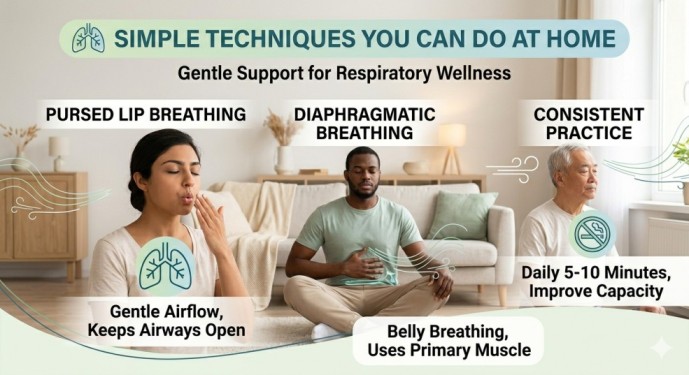
- Pursed Lip Breathing: This is one of the most effective breathing exercises for lung health because it helps keep your airways open longer, making it easier to get fresh air in and out.
- Diaphragmatic Breathing: Often called “belly breathing,” this method encourages you to use your diaphragm effectively, which is the primary muscle used for respiration.
- Staying Consistent: Just like any habit, the benefits of how to improve lung capacity naturally come when you set aside 5 to 10 minutes every day to just focus on your breath.
By integrating these simple routines into your life, you are taking a gentle step toward better respiratory care. Remember, it’s not about perfection; it’s about consistency and listening to what your body needs.
Lifestyle Adjustments for Better Respiratory Wellness
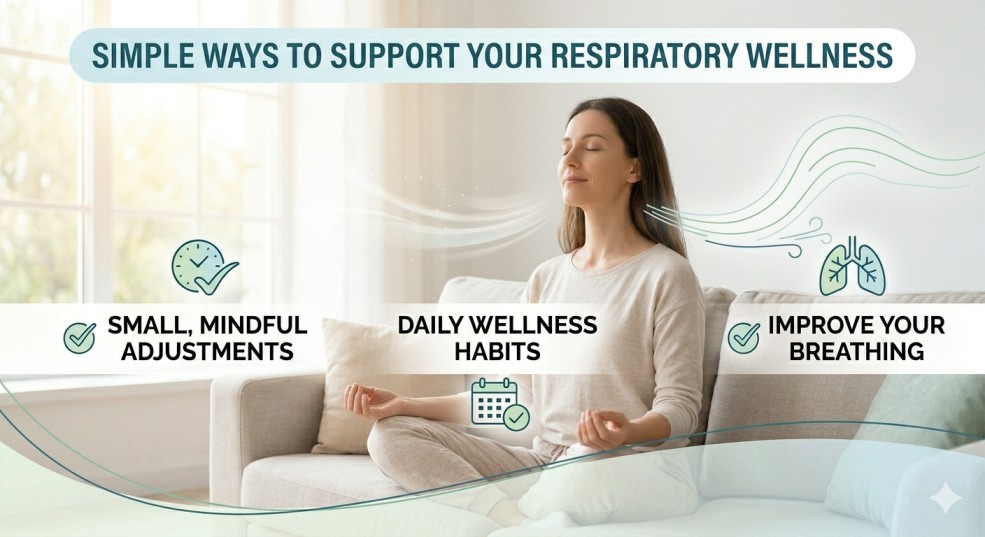
When you are looking for respiratory wellness tips, it’s easy to get overwhelmed by complex advice. I always tell my community that the most effective changes are usually the ones you can easily fit into your routine. You don’t have to overhaul your life overnight; sometimes, small, mindful adjustments are exactly what your body appreciates. Whether you are curious about how to improve lung capacity naturally or just want to feel a bit more comfortable day-to-day, it starts with understanding how your habits affect your breathing.
Finding What Works for You
There is no “one size fits all” approach when it comes to lung health. What helps one person might feel different for someone else, and that is perfectly okay. Here are a few things to keep in mind:
- Mindful Movement: Incorporating movement helps support your overall health and makes it easier to practice your breathing exercises for lung health with a relaxed posture.
- Creating a Clean Environment: Simply keeping your living space dust-free is one of the most effective simple breathing exercises at home because it reduces the irritants your lungs have to deal with every day.
- Listening to Your Body: If you are practicing breathing exercises for former smokers, remember to take it slow. If you feel tired or lightheaded, it is a sign to pause and rest.
Improving your health is a journey, not a race. By choosing lung cleansing breathing exercises that feel right for you and staying consistent, you are showing your body some well-deserved care. It is about building a foundation of wellness that feels sustainable, simple, and most importantly, authentic to your own needs.
Why Natural Support Matters?
Safe & Natural Respiratory Tips
Holistic Wellness for Better Lungs
Understanding the importance of natural respiratory care in today’s environment for long-term vitality.
Effective Breathing Techniques You Can Try at Home

We often forget that our lungs are constantly working, filtering the air we breathe every single second. While we’ve talked about breathing exercises for lung health, it’s equally important to consider the external factors that play a role in your daily comfort. Being mindful of your environment is a key part of respiratory wellness tips, and it helps you get the most out of the exercises you are doing at home.
Daily Habits That Support Your Lungs
It isn’t just about targeted routines; it’s about the small, everyday choices that make a real difference. Here is what you can focus on to support your respiratory system naturally:
- Stay Hydrated: Drinking enough water helps keep the mucus membranes in your lungs thin, which is a simple but effective way of overall lung capacity and respiratory wellness.
- Keep Indoor Air Fresh: Regularly ventilating your home or using a simple air purifier can reduce pollutants, making it much easier to practice your daily breathing exercises for lung health.
- Posture Matters: Sitting or standing up straight gives your diaphragm the space it needs to move properly, which is essential for any lung cleansing breathing exercises to be effective.
Nutritional Guide: Best Foods for Optimal Lung Health
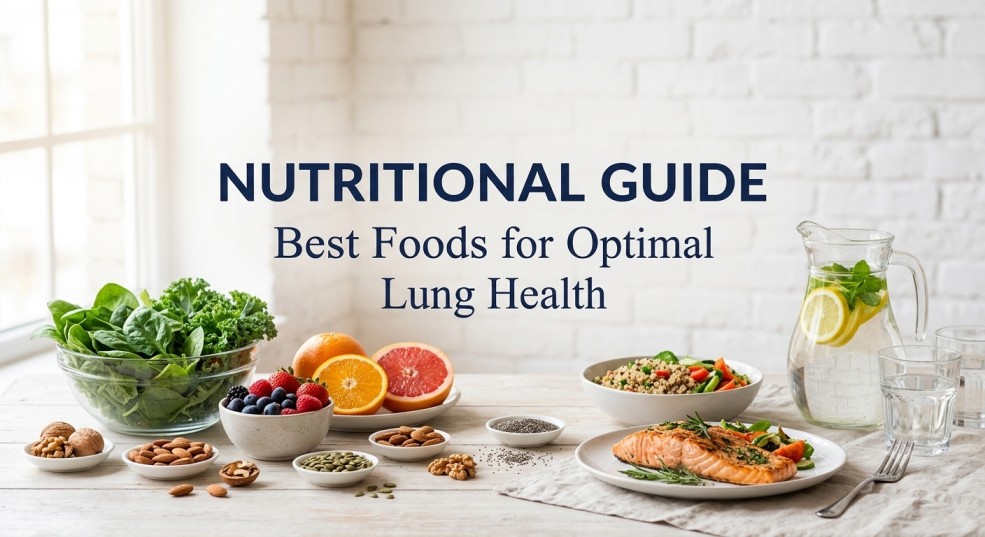
Nutrition plays a baseline role in cellular repair. Following a structured nutritional guide and choosing the best foods for optimal lung health will provide your body with essential antioxidants.
Include More Fresh Fruits and Vegetables
Fresh fruits and vegetables are a regular part of many healthy eating patterns. They add color, variety, and important nutrients to everyday meals. Many people looking for foods for lung health choose to include a mix of fruits and vegetables throughout the day rather than relying on just one or two options.
A simple way to get started is by adding fruit to breakfast or including an extra serving of vegetables with lunch and dinner.
Stay Hydrated Throughout the Day
Drinking enough water is an important part of a balanced lifestyle. Staying hydrated supports many normal functions in the body and can help you feel your best throughout the day.
Water is usually the first choice, but herbal teas and water-rich fruits can also contribute to your daily fluid intake. Alongside healthy foods for better breathing, good hydration habits can be part of an overall wellness routine.
Choose Whole Foods More Often
Whole foods such as fruits, vegetables, beans, nuts, seeds, and whole grains are commonly included in discussions about foods that support lung health naturally. These foods are generally less processed and can fit easily into a balanced diet.
Making small swaps, such as choosing oatmeal instead of sugary cereals or fresh fruit instead of packaged snacks, can help increase the variety of nutrient-rich foods in your meals.
Build Balanced Meals
A balanced meal often includes a mix of vegetables, fruits, whole grains, and protein sources. Rather than focusing on a single ingredient, many nutrition experts encourage variety and moderation.
Creating meals around foods for healthy lungs and other lung-friendly foods can be a practical way to support overall health while enjoying a wide range of foods. The goal is not to follow a perfect diet but to build eating habits that are realistic and sustainable over time.
How Dietary Balance Impacts Long-Term Recovery
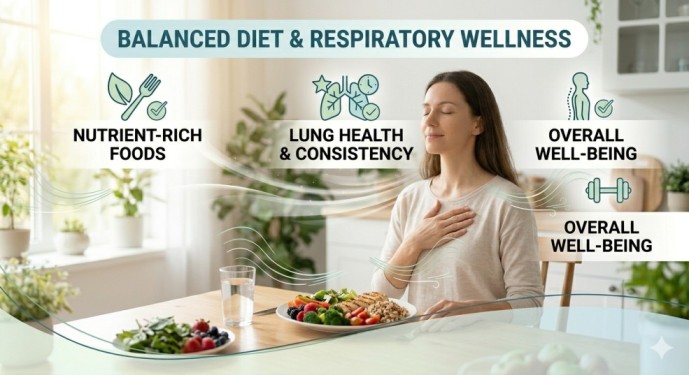
Eating well for a single day isn’t enough; consistency is key. Understanding how dietary balance impacts long-term recovery helps you stay committed to your wellness goals.
A healthy lifestyle is usually built on small daily choices rather than quick fixes. While many people search for foods for healthy lungs, it is also important to look at overall eating patterns. A balanced diet that includes a variety of nutrient-rich foods can help support general well-being and make healthy habits easier to maintain over time.
Nutrition and Everyday Well-Being
The food you eat provides the energy and nutrients your body uses every day. That’s why many people choose to include best foods for healthy lungs as part of a balanced lifestyle. Fresh fruits, vegetables, whole grains, nuts, seeds, and other wholesome foods can add variety and nutritional value to daily meals.
Rather than focusing on a single “superfood,” it is often more practical to build meals around a wide range of foods for respiratory health and overall wellness.
Why Variety Matters in Your Diet
No single food contains everything your body needs. Different foods provide different nutrients, which is why variety is an important part of healthy eating. Including a mix of fruits, vegetables, whole grains, legumes, and healthy fats can help create a more balanced diet.
Many foods that support healthy breathing are also foods that contribute to overall health. Rotating different ingredients throughout the week can make meals more enjoyable while helping you avoid relying too heavily on the same foods every day.
Long-Term Healthy Eating Habits
Healthy eating is usually more successful when it feels realistic and sustainable. Small habits, such as preparing meals at home more often, adding extra vegetables to meals, or choosing more whole foods when possible, can gradually become part of your routine.
Over time, these simple choices may help you maintain a balanced diet that includes foods for healthy lungs and other nutrient-rich options. The focus should be on consistency rather than perfection, making it easier to support your overall health and well-being in the long run.
I encourage you to read our complete guide on
👉🏼 Natural Lung Detox for Smokers: Best Ways to Clean and Support Lung Health where we dive deeper into long-term strategies for lung health. Your path to clearer, easier breathing starts with the very next breath you take!
Apart from mindful breathing, incorporating specific habits is key. 👉🏼 Discover 5 simple and effective ways to detox lungs naturally and build a stronger respiratory system.
Maximize the benefits of your daily routine by adding these
👉🏼 best natural foods that support healthy lungs to your diet.
Natural Respiratory Support Essential Nutrients for Lung Health Boost Your System Naturally
Learn how targeted breathing techniques can naturally optimize your lung function and reduce stress.
Frequently Asked Questions
How does stress impact respiratory function?
Stress can cause shallow breathing, which is why experts suggest that practicing breathing exercises for lung health can help relax the body and improve overall airflow.
Can these techniques be used by elderly individuals?
Yes, these breathing exercises for lung health are gentle and safe, making them an excellent choice for seniors looking to maintain better respiratory strength at home.
Is it necessary to use any equipment for these exercises?
Not at all; one of the main advantages of these breathing exercises for lung health is that they require no equipment, allowing you to practice them anywhere.
How long before I notice improvements in my breathing?
While individual results vary, many people feel more relaxed after just one session of these breathing exercises for lung health, with better lung capacity developing over time.
Should I consult a professional before starting these techniques?
It is always a good idea to speak with a healthcare provider before starting any new regimen, especially if you have existing conditions, to ensure these breathing exercises for lung health are suitable for your specific needs
Final Thoughts
Improving your respiratory health is a personal journey that happens one breath at a time. By consistently practicing these simple breathing exercises at home, you are providing your body with the gentle support it needs to function at its best. Remember, the goal isn’t just about how to improve lung capacity naturally for a day; it is about building sustainable habits that help you feel more energized and comfortable in your daily life.
Consistent practice of these breathing exercises for lung health will help you achieve better respiratory wellness over time.”
Whether you are exploring these breathing exercises for former smokers or simply looking for effective respiratory wellness tips, please remember that your body knows what it needs—just take it slow, stay consistent, and be patient with yourself. If you are looking for a more comprehensive approach to support your recovery and learn about holistic methods,
Medical Disclaimer
The information provided on this website is for educational and informational purposes only and is not intended as a substitute for professional medical advice, diagnosis, or treatment. Always seek the advice of your physician or other qualified health provider with any questions you may have regarding a medical condition. Never disregard professional medical advice or delay in seeking it because of something you have read on this website.
The author of this blog is a Pharmacist, but the content shared here does not constitute a doctor-patient relationship. Individual health needs vary; therefore, please consult with your healthcare provider before starting any new exercise routine or health regimen.
Image Disclaimer:
Images used in this article are for illustrative purposes only and may not represent actual products, ingredients, or results. Visuals are created or selected to enhance understanding and should not be interpreted as a guarantee of specific health outcomes. Always refer to official product information and consult a healthcare professional for personalized guidance.