
How to Reduce Swelling in Legs Naturally: Causes, Daily Tips & Supplement Options
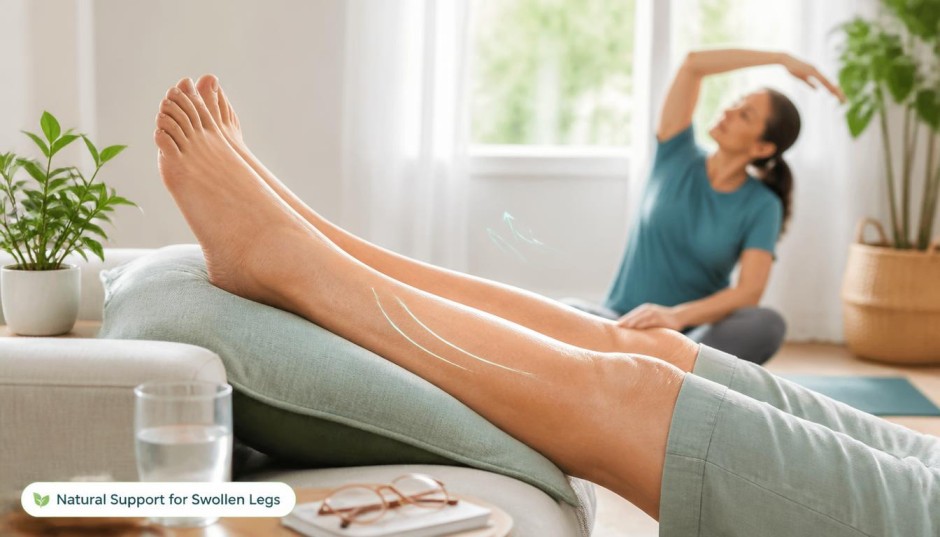
Have your legs ever felt unusually heavy or looked puffy by the end of the day? Swelling around the legs, ankles, or feet can happen for many everyday reasons, including sitting or standing for long periods, but persistent swelling may also have an underlying cause that deserves attention. Learning what may contribute to leg swelling and which healthy habits can help is a useful first step toward better fluid balance and overall leg health.
Affiliate Disclosure: This article may contain affiliate links. If you purchase Lymph Flow through a link on this page, Fit2Fortune may receive a commission at no additional cost to you.
Our affiliate relationships do not change the information we provide. We aim to present product details, potential benefits, limitations, and considerations as accurately and objectively as possible. Readers should review the manufacturer’s current product information and make purchasing decisions based on their individual needs.
What Causes Swelling in the Legs?
Leg swelling can look different from person to person. You may notice puffiness around your ankles, tighter shoes or socks, or a feeling of heaviness in your legs. In many cases, swelling happens because extra fluid collects in the tissues, but inflammation, circulation problems, medications, and certain health conditions can also contribute. Understanding the possible cause matters because the right approach depends on why the swelling is happening.
Fluid Buildup and Edema
Edema is the medical term for swelling caused by excess fluid trapped in body tissues. It most commonly affects the feet, ankles, and legs, although it can occur in other parts of the body as well. Some types of mild edema can occur after staying in one position for too long, eating a very salty meal, or during pregnancy.
When looking into swollen legs and ankles causes, it is useful to remember that fluid buildup is a description of what is happening, not necessarily the underlying reason. For example, changes in how blood moves through the veins, problems affecting the kidneys or heart, or issues with the lymphatic system can all contribute to fluid accumulation.
Common Everyday Triggers
Sometimes what causes swollen legs is related to daily habits or temporary circumstances rather than an underlying disease. Common triggers include:
- Sitting for long periods: Remaining seated for hours, including during long trips or desk work, can contribute to fluid buildup in the lower legs.
- Standing for long periods: Spending much of the day on your feet can also contribute to swelling, particularly around the ankles.
- High-sodium meals: Eating more sodium than usual may cause the body to retain more fluid, which can temporarily increase swelling.
- Inactivity: Limited move
If swelling appears occasionally and has an obvious connection to one of these situations, it may improve when the contributing factor changes. However, recurring or unexplained swelling should not automatically be assumed to be caused by lifestyle alone.
Medical Causes to Know About
There are also several health-related causes of swollen legs that may require evaluation by a healthcare professional.
- Chronic venous insufficiency: When the valves in the leg veins do not move blood back toward the heart effectively, blood can pool in the legs and contribute to swelling.
- Certain medications: Some medicines, including certain blood-pressure medicines, anti-inflammatory drugs, steroids, and other medications, can cause edema as a side effect.
- Kidney problems: Kidney disease can interfere with normal fluid and salt balance and may contribute to swelling in the legs and ankles.
- Heart conditions: Conditions such as heart failure can cause fluid to build up in the legs, ankles, and feet.
- Liver disease: Liver conditions such as cirrhosis can contribute to fluid accumulation, including swelling in the legs.
- Lymphatic problems: If the lymphatic system is damaged or blocked, it may not drain tissue fluid normally. This can lead to lymphedema, which commonly affects an arm or leg.
Because leg swelling has many possible causes, treating the symptom without understanding the reason may not address the underlying issue. Persistent, unexplained, sudden, or one-sided swelling deserves medical attention rather than being assumed to be simple fluid retention.
How to Reduce Swelling in Legs Naturally
When leg swelling is mild and related to everyday factors such as prolonged sitting, standing, or excess sodium, a few healthy habits may help manage the buildup of fluid. The right approach still depends on the underlying cause, so these steps should be viewed as general supportive measures rather than a treatment for unexplained or persistent swelling.
Move More Throughout the Day
One of the simplest ways to support your legs is to avoid staying in the same position for too long. If your work or travel requires extended sitting, stand up periodically, take a short walk, or gently move your ankles and legs.
These small movement breaks can be particularly useful when looking at how to reduce swelling in legs at home. Regularly changing position can help support blood flow in the legs and reduce the effects of prolonged sitting or standing. The NHLBI recommends avoiding long periods of sitting or standing and changing position regularly.
Elevate Your Legs When Appropriate
Elevating your legs while sitting or lying down may help reduce fluid buildup in the lower legs. For some people, placing a pillow under the legs or raising the feet above the level of the heart for a period of time can help fluid move away from the legs.
This is one of the practical approaches often recommended for natural ways to reduce leg swelling, particularly when swelling is associated with prolonged standing or fluid buildup. However, persistent swelling should still be evaluated rather than managed only with elevation.
Watch Your Sodium Intake
A high-sodium diet can cause the body to retain more fluid, which may contribute to swelling in some people. Reducing heavily salted and highly processed foods can therefore be a useful part of a balanced approach to managing fluid retention in the legs.
Instead of focusing only on the salt shaker, check packaged and prepared foods such as processed meats, canned foods, salty snacks, sauces, and some restaurant meals. Mayo Clinic notes that reducing salt can often help relieve edema related to fluid buildup.
Stay Physically Active
For people wondering how to reduce swollen legs naturally, building consistent physical activity into the week may be more useful than relying on occasional exercise after swelling has already appeared. Your appropriate activity level may vary depending on your health and the reason for your swelling, so start gradually if you are not currently active.
Maintain a Balanced Diet
A balanced eating pattern can support overall cardiovascular and metabolic health, which matters when managing factors that may contribute to swelling. Aim for a variety of vegetables, fruits, whole grains, protein-rich foods, and minimally processed foods while keeping excess sodium and highly processed foods in check.
Diet alone will not correct swelling caused by an underlying medical condition, but improving overall food quality can be a practical part of natural ways to reduce swelling in legs. Healthy eating is especially useful when it is combined with regular movement and appropriate medical care when needed.
Stay Hydrated
Adequate fluid intake supports normal body function, but drinking excessive amounts of water is not a proven way to “flush” the lymphatic system or eliminate all swelling. Hydration needs vary based on factors such as body size, activity, climate, diet, and health conditions.
For how to reduce swelling in legs naturally, it is more useful to focus on normal hydration alongside a balanced diet and healthy activity rather than treating water as a standalone solution. People with certain heart, kidney, or other medical conditions may have specific fluid recommendations from their healthcare professional, so they should follow that guidance. Mayo Clinic also cautions against relying on herbs or supplements as self-treatment for fluid retention.
Natural Support for Swollen Legs
Looking for a simple way to support healthy fluid balance and circulation? Explore a supplement option designed to support lymphatic health.
How Does the Lymphatic System Relate to Leg Swelling?
The lymphatic system plays an important role in maintaining fluid balance throughout the body. It helps collect excess fluid from tissues and transport it through a network of lymphatic vessels and lymph nodes before returning it to the bloodstream. When this drainage system is damaged or blocked, fluid can build up in the tissues and cause swelling, including in the legs.
What the Lymphatic System Does
Think of the lymphatic system as part of the body’s fluid-management and immune-support network. It includes lymph, lymphatic vessels, lymph nodes, and other lymphatic tissues.
Lymphatic vessels collect excess fluid that surrounds cells and transport it as lymph. The lymphatic system also contributes to immune function, while lymph nodes help filter lymph and support the body’s immune response.
This means the lymphatic system has an important connection to how to reduce swelling in legs naturally, but it is only one part of the bigger picture. Leg swelling can also result from problems involving the veins, kidneys, heart, liver, medications, injury, or prolonged inactivity.
Why Movement Matters for Lymph Flow
Lymph does not move through the body in exactly the same way that blood is pumped by the heart. Lymphatic vessels contain smooth muscle that can contract rhythmically, helping propel lymph forward, while movement of surrounding tissues and skeletal muscles can also assist lymph transport.
This is one reason regular movement can be useful when considering how to support healthy lymphatic flow. Walking, stretching, and changing position throughout the day create muscle activity that can help support the movement of fluid through the lower body.
However, this does not mean exercise can correct every cause of leg swelling. People with unexplained, persistent, or significant swelling should focus on identifying the underlying cause rather than assuming that increased movement alone will solve the problem.
Swelling Isn’t Always a Lymphatic Problem
It is easy to associate swelling with the lymphatic system, especially because conditions such as lymphedema can cause noticeable swelling in an arm or leg. But causes of swollen legs are much broader than lymphatic problems.
For example, swelling may be related to prolonged sitting or standing, venous insufficiency, certain medications, kidney disease, heart conditions, liver disease, injury, or other factors.
Lymphedema specifically occurs when the lymphatic system cannot drain fluid properly, often because lymph vessels or nodes have been damaged or blocked. It should not be assumed simply because someone has occasional puffiness around the ankles or legs.
For that reason, the goal should be to support healthy lymphatic function while also paying attention to other possible causes of swelling. Persistent or unexplained leg swelling may need evaluation by a healthcare professional rather than self-treatment with lifestyle changes or supplements alone.
Can Supplements Help With Swelling and Fluid Balance?
Supplements are sometimes marketed as a way to support circulation, fluid balance, or lymphatic function. However, whether a supplement is appropriate depends on why swelling is occurring in the first place. A supplement should not be used as a substitute for medical evaluation when swelling is persistent, unexplained, sudden, or associated with other concerning symptoms.
Ingredient Research Is Not the Same as Product Research
One important distinction to understand when evaluating natural supplements for fluid retention is the difference between research on an individual ingredient and research on a finished formula.
A botanical ingredient may have studies examining a particular biological effect, but that does not automatically demonstrate that a supplement containing that ingredient will produce the same effect. The amount used in a study, the form of the ingredient, how it is absorbed, and the combination of ingredients can all differ from a commercial supplement.
For that reason, ingredient-level research should be described as evidence about the ingredient itself, rather than proof that a specific product works.
Evidence Can Vary From One Ingredient to Another
Not every supplement ingredient has the same amount or quality of scientific evidence. Some compounds may have human clinical studies, while others may have mainly laboratory, animal, observational, or traditional-use evidence.
When reading claims about supplements for swollen legs, look for clear information about what has actually been studied and whether the research involved the finished product or only individual ingredients. This helps separate established findings from preliminary evidence and marketing claims.
Finding the Cause Still Matters Most
Swelling is a symptom, not a diagnosis. It can occur for relatively temporary reasons, such as prolonged sitting or standing, but it can also be associated with vein problems, certain medications, or conditions affecting the heart, kidneys, liver, or lymphatic system.
That is why people searching for how to reduce fluid retention in legs naturally should first consider the bigger picture. Healthy habits may support overall well-being, but a supplement should not be relied on to manage unexplained or persistent swelling without understanding its possible cause.
With that context in mind, some people may be interested in botanical formulas specifically marketed for lymphatic and fluid-balance support. One example is Lymph Flow, which we can examine next based on its ingredients, manufacturer information, and the evidence available for those ingredients.
What Is Lymph Flow?
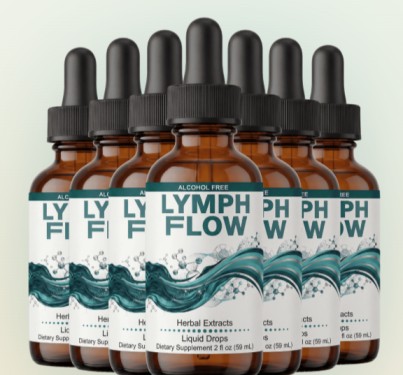
Lymph Flow is a liquid dietary supplement marketed as a convenient way to support the body’s natural lymphatic drainage and circulation. According to the product’s sales page, it contains a proprietary blend of 13 alcohol-free herbal extracts and bio-actives in a liquid drop format.
The formula is designed for people who are interested in botanical support for lymphatic function, circulation, and overall fluid balance. However, these are product-positioning claims, and they should not be interpreted as evidence that Lymph Flow can treat a medical cause of swelling or fluid retention.
What Makes Lymph Flow Different?
The product is offered as alcohol-free liquid drops, rather than capsules or tablets. The sales page presents the liquid format as a simple daily option and describes the product as Made in the USA.
According to the manufacturer’s product information, Lymph Flow is also intended to be easy to take—simply shake the bottle, use the recommended drops, and take the liquid as directed.
For consumers researching what is Lymph Flow supplement, the main points to understand are that it is a botanical dietary supplement, it uses a proprietary blend rather than listing the full formula as separate individual doses on the sales-page summary, and its advertised purpose is to support normal lymphatic drainage and circulation rather than serve as a medical treatment.
What Ingredients Are in Lymph Flow?
According to the manufacturer, Lymph Flow contains 13 carefully sourced ingredients in a 600 mg proprietary blend, along with a liquid base made from purified water, vegetable glycerin, and natural flavoring. The product is also described as alcohol-free and made without artificial colors.
The product page individually highlights six ingredients: Boswellia Serrata, Curcumin, Horse Chestnut, Gotu Kola, Quercetin Phytosome, and Ginger Extract. Because the formula is described as a proprietary blend, the individual amounts of these ingredients are not provided in the product information reviewed.
Understanding what each ingredient is can help readers evaluate Lymph Flow ingredients without assuming that research on an individual botanical proves that the complete formula produces the same effects.
Boswellia Serrata: It is a resin-derived botanical that has a long history of use in Ayurvedic traditions. The manufacturer describes it as an ingredient intended to support a healthy inflammatory response.
Curcumin: It is a naturally occurring compound found in turmeric. The manufacturer describes it as providing antioxidant support and supporting a healthy inflammatory response.
Horse Chestnut: It is a traditional European botanical that has been studied in relation to venous circulation and symptoms associated with chronic venous insufficiency. The manufacturer positions it as an ingredient for supporting healthy circulation in the legs.
Gotu Kola: Gotu kola, also known as Centella asiatica, has a long history of traditional use in Asian herbal practices. The manufacturer describes it as supporting healthy microcirculation and skin tone.
Quercetin Phytosome: Quercetin is a plant flavonoid found naturally in foods such as apples and onions. The term phytosome refers to a formulation designed to improve the absorption of certain compounds.
Ginger Extract: Ginger is a widely used botanical with a long history of traditional use. The manufacturer describes the ginger extract in Lymph Flow as supporting digestion and circulation.
Support Healthy Fluid Balance
If you’re exploring additional support for healthy circulation and fluid movement, learn more about Lymph Flow and its ingredients.
How to Take Lymph Flow
According to the manufacturer’s directions, Lymph Flow should be shaken well before use. One serving is 2 droppers, which can be mixed into a glass of water or juice and taken once daily. The manufacturer also recommends using it consistently for at least 60 days for what it describes as the best support.
The directions also note that users can take it as directed by a healthcare professional. This is particularly relevant for anyone who is pregnant, nursing, taking medications, or managing an existing health condition.
It is worth distinguishing the manufacturer’s suggested 60-day use period from clinical evidence. The recommendation to use Lymph Flow consistently for 60 days is a product-use guideline, not evidence that the supplement requires 60 days to work or that measurable results are guaranteed within that period.
Price and Package
Lymph Flow is offered in different package sizes, allowing customers to purchase multiple bottles at once. The pricing shown on the sales page can vary with promotions, so readers should verify the current price before purchasing.
| Package | Bottles | Price per Bottle | Listed Savings | Shipping / Extras |
|---|---|---|---|---|
| 2-Month Supply | 2 | $79 | $100 | Small shipping fee |
| 3-Month Supply | 3 | $69 | $180 | Free US shipping |
| 6-Month Supply | 6 | $49 | $480 | Free US shipping + bonus guides |
Price note: Prices, discounts, shipping charges, and bonuses can change. Check the current sales page before purchasing.
Pros and Cons
Frequently Asked Questions ( FAQs )
Conclusion
Swollen legs can have many possible causes, so understanding what may be contributing to the swelling is an important first step. Healthy habits such as regular movement, staying active, and avoiding prolonged periods of inactivity can support normal circulation and overall fluid balance.
Lymph Flow is marketed as a dietary supplement intended to support lymphatic health and healthy fluid movement. However, the available evidence does not establish that a supplement can treat or cure lymphedema or every cause of swollen legs. Individual results may also vary.
For people considering Lymph Flow for swollen legs, it is important to look at the product’s ingredients, follow the manufacturer’s directions, and consider any relevant health conditions or medications. Persistent, sudden, painful, or unexplained leg swelling should be evaluated by a qualified healthcare professional rather than managed solely with a supplement.
Overall, supporting lymphatic health is best approached as part of a broader healthy lifestyle, with medical guidance when symptoms require further evaluation.
Considering Lymph Flow?
If you’re considering a supplement to support healthy fluid balance and lymphatic health, you can review Lymph Flow’s ingredients, directions, and current product details before deciding.
References & Evidence
1. Scallan JP, Zawieja SD, Castorena-Gonzalez JA, Davis MJ.
Lymphatic Pumping: Mechanics, Mechanisms and Malfunction. The Journal of Physiology. 2016;594(20):5749–5768.
https://pmc.ncbi.nlm.nih.gov/articles/PMC5063934/
Evidence used: Lymph movement is influenced by intrinsic lymphatic pumping and external forces, including skeletal-muscle activity.
2. Mayo Clinic.
Lymphedema — Symptoms and Causes.
https://www.mayoclinic.org/diseases-conditions/lymphedema/symptoms-causes/syc-20374682
Evidence used: Lymphatic fluid buildup can cause swelling; persistent swelling can have different causes and should be medically evaluated. Mayo Clinic also lists common symptoms and warning signs associated with lymphedema.
3. NCBI Bookshelf / StatPearls.
Anatomy, Lymphatic System.
https://www.ncbi.nlm.nih.gov/books/NBK513247/
Evidence used: Background information on the anatomy and normal functions of the lymphatic system.
Medical Disclaimer
The information in this article is provided for general educational and informational purposes only and is not intended to provide medical advice, diagnosis, or treatment.
Lymph Flow is a dietary supplement and should not be considered a treatment or cure for lymphedema, swollen legs, or any other medical condition. Persistent, sudden, painful, or unexplained swelling should be evaluated by a qualified healthcare professional.
Always consider your individual health circumstances, medications, allergies, and existing medical conditions before using a dietary supplement. If you are pregnant, breastfeeding, taking medication, or managing a health condition, consult an appropriate healthcare professional before using Lymph Flow or any other supplement.
Image Disclaimer: Some images used in this article may be for illustrative purposes only and may not represent the exact Lymph Flow product, its packaging, or actual results. Product appearance, packaging, ingredients, and other details may change over time. Readers should refer to the manufacturer’s current product information for the most up-to-date details.