

TRUSTED SOURCE | HEALTH TIPS | PRODUCT REVIEWS | LATEST EDITION
Remote Patient Monitoring 2026: The Ultimate Guide to Hospital-at-Home Care
Healthcare is no longer limited to hospitals and clinics. In 2026, remote patient monitoring (RPM) allows healthcare providers to track important health data—such as heart rate, blood pressure, and blood glucose—from virtually anywhere. Using connected medical devices and secure digital platforms, patients can receive ongoing care while staying in the comfort of their homes.
As more healthcare organizations across the United States adopt hospital-at-home programs, remote patient monitoring is becoming an essential part of chronic disease management and preventive care. It enables clinicians to monitor patients between appointments, identify potential health concerns earlier, and support more personalized treatment decisions.
In this Remote Patient Monitoring 2026 guide, you’ll learn how remote patient monitoring works, who can benefit, the technologies behind it, its advantages and limitations, costs, privacy considerations, and future trends shaping connected healthcare in 2026.
What Is Remote Patient Monitoring and Why Does It Matter?
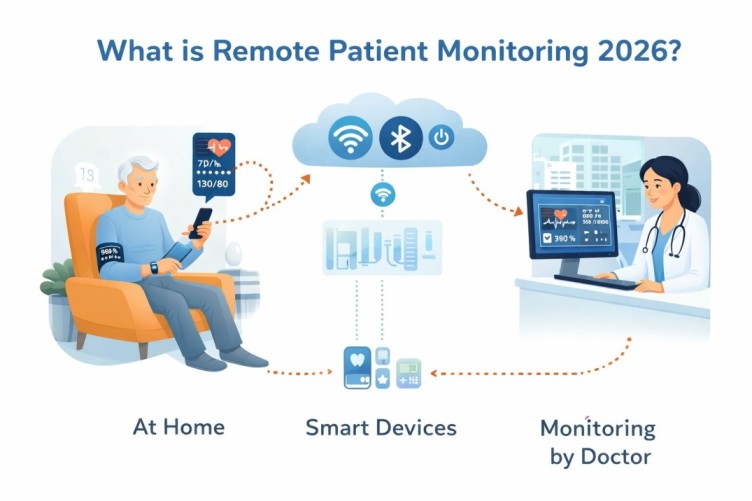
Remote Patient Monitoring 2026 refers to a healthcare approach that enables medical professionals to monitor a patient’s health outside of traditional clinical settings using connected medical devices and secure digital technology. Instead of relying only on scheduled office visits, healthcare providers can receive ongoing health data—such as blood pressure, heart rate, blood glucose, oxygen saturation, and weight—to better understand a patient’s condition over time.
This continuous flow of health information helps clinicians detect changes earlier, adjust treatment plans when necessary, and provide more personalized care. Rather than replacing in-person appointments, remote patient monitoring complements traditional healthcare by improving communication between patients and providers and supporting timely medical decisions.
In the United States, RPM has become increasingly important as healthcare systems focus on improving chronic disease management, reducing avoidable hospital readmissions, and expanding access to care for patients in rural and underserved communities. It is commonly used for individuals living with conditions such as diabetes, hypertension, heart disease, chronic obstructive pulmonary disease (COPD), and post-surgical recovery, where regular monitoring can play an important role in ongoing care.
As digital health technologies continue to advance, remote patient monitoring is becoming a key component of modern healthcare delivery. By combining connected medical devices, secure cloud platforms, and clinician oversight, RPM supports a more proactive, data-driven approach to patient care while allowing many eligible individuals to remain safely at home.
Information at a Glance
| Feature | Details |
|---|---|
| Primary Purpose | Monitor patients remotely between healthcare visits |
| Common Users | Patients with chronic conditions, older adults, and post-discharge patients |
| Health Metrics Monitored | Blood pressure, heart rate, blood glucose, oxygen saturation, weight, temperature |
| Technology Used | Wearable devices, Bluetooth medical devices, mobile apps, cloud platforms |
| Primary Benefits | Continuous monitoring, earlier intervention, improved patient engagement, better care coordination |
How Remote Monitoring Works at Home
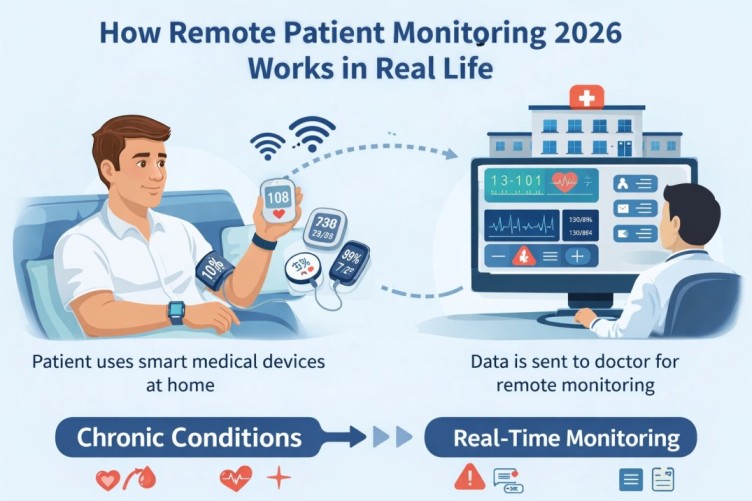
Remote Patient Monitoring 2026 (RPM) combines connected medical devices, secure digital platforms, and healthcare expertise to keep patients connected with their care teams between clinic visits. Instead of waiting for the next appointment, clinicians can review important health information as it is collected, helping them identify changes that may require attention.
Although the exact process varies by healthcare provider, most remote patient monitoring programs follow a straightforward workflow.
Patients use FDA-cleared or healthcare provider-approved devices to measure vital health metrics. Depending on the medical condition being monitored, these devices may include:
- Blood pressure monitors
- Blood glucose meters
- Pulse oximeters
- Smart weight scales
- Wearable heart rate or ECG monitors
These readings are collected regularly without requiring frequent visits to a doctor’s office.
Data Is Securely Transmitted
The collected information is automatically or manually sent to a secure digital platform through Bluetooth, Wi-Fi, or cellular connectivity. Healthcare providers can review the data using HIPAA-compliant systems designed to protect patient privacy.
Instead of relying on occasional checkups, clinicians receive a broader picture of a patient’s health over days or weeks, making it easier to identify meaningful trends.
Healthcare Teams Review the Information
Doctors, nurses, and care coordinators monitor incoming data for significant changes. If readings fall outside the expected range, the healthcare team can contact the patient, recommend lifestyle adjustments, modify medications when appropriate, or schedule an in-person evaluation if necessary.
This proactive approach helps support timely clinical decision-making rather than waiting until symptoms become more severe.
Continuous Monitoring Supports Ongoing Care
Remote patient monitoring is not intended to replace traditional healthcare visits. Instead, it complements routine medical care by providing continuous health insights between appointments. This can improve communication, encourage patient engagement, and help individuals better understand how daily habits influence their health.
Typical Remote Patient Monitoring Workflow
| Step | What Happens |
|---|---|
| Step 1 | The patient measures health metrics using connected medical devices. |
| Step 2 | The information is securely transmitted to a digital monitoring platform. |
| Step 3 | Healthcare professionals review the incoming data and monitor trends. |
| Step 4 | If needed, the care team contacts the patient to provide guidance or adjust the treatment plan. |
| Step 5 | Continuous monitoring supports ongoing care alongside regular medical appointments. |
Note: Remote patient monitoring should always be used under the guidance of qualified healthcare professionals. The devices collect health information, but diagnosis and treatment decisions remain the responsibility of licensed medical providers.
Who Can Benefit Most?
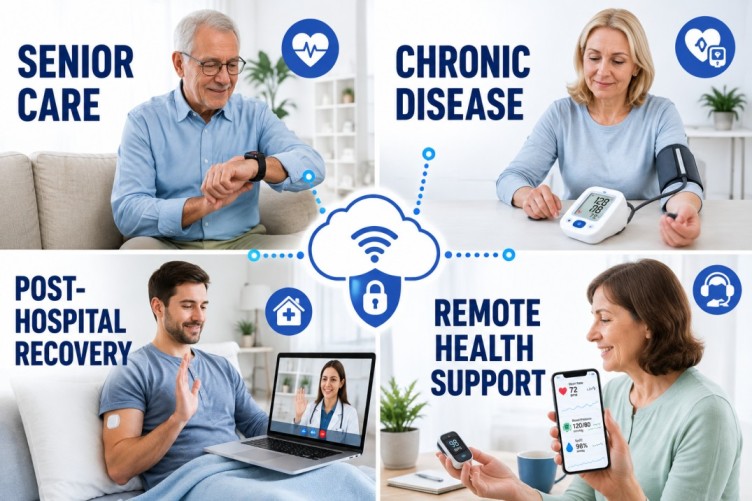
Remote Patient Monitoring 2026 may benefit to individuals who require ongoing health tracking between medical appointments. While it may not be appropriate for every patient, it has become an important care model for many people living with chronic conditions, recovering from illness, or needing closer clinical observation at home.
Healthcare providers determine eligibility based on a patient’s medical condition, treatment goals, and ability to use connected monitoring devices.
Adults Living with Chronic Conditions
People managing long-term health conditions often require regular monitoring to help identify changes before symptoms become more serious. Remote patient monitoring is commonly used for conditions such as:
- High blood pressure (Hypertension)
- Type 1 and Type 2 diabetes
- Heart failure and cardiovascular disease
- Chronic obstructive pulmonary disease (COPD)
- Asthma
- Chronic kidney disease
Continuous monitoring allows healthcare providers to review health trends between appointments and make informed decisions when necessary.
Older Adults Who Want to Age at Home
Many older adults prefer receiving care in familiar surroundings instead of making frequent trips to healthcare facilities. Remote monitoring can help caregivers and healthcare professionals stay informed about important health measurements while supporting greater independence for eligible seniors.
This approach may also reduce unnecessary clinic visits for individuals whose conditions require routine observation rather than emergency care.
Patients Recovering After Hospital Discharge
Individuals recovering from surgery, heart procedures, infections, or other serious medical conditions may benefit from temporary remote monitoring after leaving the hospital.
Tracking recovery at home enables healthcare teams to identify potential complications earlier and provide timely follow-up when needed, supporting a smoother transition from hospital to home.
Individuals Living in Rural or Underserved Communities
For patients who live far from hospitals or specialist clinics, remote patient monitoring can improve access to ongoing healthcare without requiring frequent long-distance travel.
Combined with telehealth appointments, RPM helps providers maintain regular communication while reducing barriers to care.
People Who Want Greater Engagement in Their Health
Remote patient monitoring encourages patients to take a more active role in managing their health. Regular tracking of blood pressure, blood glucose, oxygen levels, or weight helps many individuals better understand how daily habits—including nutrition, physical activity, sleep, and medication adherence—may influence their overall health.
Who May Benefit from RPM?
| Patient Group | How RPM Can Help |
|---|---|
| People with chronic diseases | Supports continuous health monitoring between appointments |
| Older adults | Encourages safer independent living with ongoing clinical oversight |
| Post-hospital recovery patients | Helps monitor recovery progress after discharge |
| Rural populations | Improves access to healthcare services from home |
| High-risk patients | Enables earlier identification of potential health changes |
Important: Remote patient monitoring is not a replacement for emergency medical care. Patients experiencing severe symptoms should seek immediate medical attention or contact emergency services.
Key Technologies
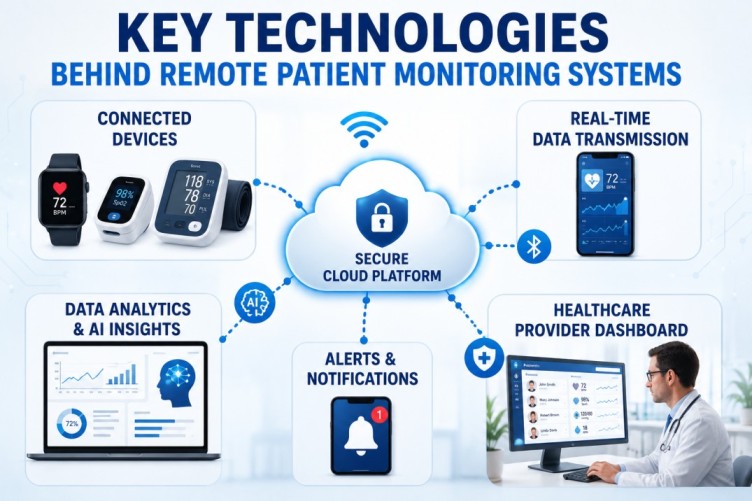
The success of Remote Patient Monitoring 2026 depends on more than just wearable devices. It combines connected medical technology, secure digital platforms, and clinical expertise to create a continuous flow of health information between patients and healthcare providers. Together, these technologies help deliver more informed, proactive, and personalized care.
FDA-Cleared Connected Medical Devices
The foundation of every RPM program is the medical device used to collect health data. Depending on the patient’s condition, healthcare providers may recommend devices such as blood pressure monitors, blood glucose meters, pulse oximeters, digital weight scales, or wearable ECG monitors.
Many healthcare organizations prefer FDA-cleared devices because they meet established regulatory standards for safety and performance when used as intended.
Wearable Health Technology
Modern wearable devices make it easier to monitor health throughout the day without disrupting normal activities. Smartwatches and other wearable sensors can continuously track metrics such as heart rate, physical activity, sleep patterns, and, in some cases, heart rhythm.
While consumer wearables can support general wellness, healthcare providers may recommend medical-grade devices when clinical monitoring is required.
Artificial Intelligence and Data Analytics
Remote patient monitoring generates a large amount of health data over time. Artificial intelligence (AI) and advanced analytics help organize this information by identifying trends, highlighting unusual readings, and supporting healthcare professionals in reviewing patient data more efficiently.
AI is designed to assist clinical decision-making, but diagnoses and treatment decisions remain the responsibility of licensed healthcare providers.
Secure Cloud-Based Health Platforms
Collected health information is transmitted to secure cloud-based systems where authorized healthcare teams can review patient data remotely. These platforms help organize information from multiple devices while supporting communication between patients, physicians, nurses, and care coordinators.
Healthcare providers in the United States typically use platforms designed to support HIPAA compliance and protect patient privacy.
Telehealth Integration
Remote Patient Monitoring works best when combined with telehealth services. During virtual appointments, healthcare providers can review recent monitoring data, discuss symptoms, answer questions, and adjust care plans without requiring every patient to visit the clinic in person.
This integrated approach helps create a more connected healthcare experience while improving continuity of care.
| Technology | Primary Role |
|---|---|
| Connected Medical Devices | Collect health measurements such as blood pressure, glucose, and oxygen levels |
| Wearable Sensors | Continuously monitor selected health metrics throughout the day |
| Artificial Intelligence | Identifies trends and supports efficient review of patient data |
| Cloud-Based Platforms | Securely store and organize health information for healthcare providers |
| Telehealth Services | Enable virtual consultations using real-time monitoring data |
Key Insight: Remote patient monitoring is most effective when connected devices, secure technology, and healthcare professionals work together. Technology provides valuable health data, while licensed clinicians interpret that information to guide patient care.
Benefits
Remote Patient Monitoring (RPM) offers advantages that extend beyond convenience. By enabling continuous health tracking between appointments, it helps create stronger communication between patients and healthcare providers while supporting more proactive care. Although individual experiences vary, many healthcare organizations are using RPM to improve patient engagement, monitor chronic conditions, and enhance care coordination.
Earlier Detection of Potential Health Changes
One of the biggest advantages of Remote Patient Monitoring 2026 is the ability to identify changes in health before they become more serious. Instead of waiting for the next scheduled appointment, healthcare providers can review trends in blood pressure, blood glucose, oxygen saturation, heart rate, or weight and determine whether additional follow-up is needed.
Early awareness may allow care teams to respond sooner when unexpected changes occur.
Improved Management of Chronic Conditions
People living with chronic diseases often require regular monitoring to manage their condition effectively. RPM provides continuous health information that helps healthcare professionals evaluate long-term trends rather than relying on a single reading taken during a clinic visit.
This approach is commonly used to support patients managing:
Chronic kidney disease
Hypertension
Diabetes
Heart failure
COPD
Ashthma
Greater Convenience for Patients
Frequent medical appointments can be challenging for older adults, busy professionals, or individuals living far from healthcare facilities. Remote patient monitoring allows many routine health measurements to be recorded from home, reducing unnecessary travel while helping patients remain connected with their healthcare providers.
Better Patient Engagement
Regular monitoring encourages patients to become more involved in their own healthcare. Tracking daily health measurements helps many people understand how medication, nutrition, physical activity, sleep, and other lifestyle choices may influence their overall health.
This increased awareness often supports better long-term self-management.
Enhanced Care Coordination
Remote patient monitoring creates a continuous flow of health information between patients and healthcare teams. Physicians, nurses, specialists, and care coordinators can review the same health data, making it easier to communicate, coordinate treatment plans, and provide consistent follow-up care when appropriate.
Potential Reduction in Avoidable Hospital Visits
For some eligible patients, ongoing monitoring may help healthcare providers identify potential concerns before they require emergency care. While RPM cannot prevent every hospitalization, it may support earlier intervention and improved follow-up for certain chronic conditions when used as part of a comprehensive care plan.
Benefits at a Glance
| Benefit | How It Supports Patient Care |
|---|---|
| Earlier Health Insights | Helps identify changes in health trends between appointments |
| Chronic Disease Support | Enables ongoing monitoring for long-term health conditions |
| Greater Convenience | Reduces the need for some routine in-person visits |
| Increased Patient Engagement | Encourages active participation in daily health management |
| Better Care Coordination | Improves communication among healthcare providers |
| Supports Preventive Care | Helps clinicians monitor patients more consistently over time |
Important: Remote Patient Monitoring is designed to complement—not replace—regular medical care. Patients should continue following their healthcare provider’s recommendations and seek immediate medical attention during emergencies.
Common Challenges and Limitations
Despite its advantages, Remote Patient Monitoring 2026 also has certain limitations that patients and healthcare providers should consider. It is not a one-size-fits-all solution. Like any healthcare technology, its effectiveness depends on patient participation, reliable technology, and appropriate clinical oversight. Understanding these limitations helps patients and healthcare providers set realistic expectations and determine whether RPM is the right choice for a particular situation.
Technology Access and Digital Literacy
Not every patient is comfortable using smartphones, wearable devices, or mobile health applications. Older adults or individuals with limited digital experience may require additional training and ongoing support to use remote monitoring devices correctly.
Healthcare providers often offer guidance to help patients become familiar with the technology, but ease of use remains an important consideration.
Internet Connectivity and Device Reliability
Most remote patient monitoring systems rely on Bluetooth, Wi-Fi, or cellular networks to transmit health information securely. Poor internet connectivity, device malfunctions, or low battery life may interrupt data transmission and temporarily limit continuous monitoring.
Maintaining properly functioning devices and a stable internet connection helps ensure more consistent health tracking.
Data Privacy and Security
Remote monitoring involves transmitting sensitive personal health information through digital platforms. For this reason, healthcare organizations use secure systems designed to protect patient data and comply with privacy regulations such as HIPAA in the United States.
Patients should also follow basic cybersecurity practices, including using strong passwords, keeping mobile apps updated, and avoiding unsecured public Wi-Fi when accessing personal health information.
Not a Replacement for Emergency Medical Care
Remote Patient Monitoring supports routine health management, but it cannot replace emergency medical services or urgent clinical evaluation. Patients experiencing severe symptoms such as chest pain, difficulty breathing, sudden weakness, or loss of consciousness should seek immediate emergency medical care rather than waiting for remote monitoring alerts.
Patient Participation Is Essential
RPM works best when patients consistently use their monitoring devices and follow their healthcare provider’s instructions. Missing scheduled measurements or using devices incorrectly may reduce the accuracy and usefulness of the collected health data.
Successful remote monitoring depends on collaboration between patients and healthcare professionals.
Insurance Coverage May Vary
Although Remote Patient Monitoring services have expanded significantly across the United States, insurance coverage can differ depending on the healthcare provider, insurance plan, medical condition, and eligibility requirements.
Patients should confirm coverage details with their healthcare provider or insurance company before enrolling in an RPM program.
Common Challenges at a Glance
| Challenge | Why It Matters |
|---|---|
| Technology Skills | Some patients may need assistance using connected medical devices. |
| Internet Connectivity | Reliable internet or cellular service supports uninterrupted data transmission. |
| Privacy and Security | Personal health information should be protected through secure healthcare platforms. |
| Emergency Situations | RPM complements routine care but does not replace emergency medical services. |
| Patient Participation | Consistent device use improves the quality of health monitoring. |
| Insurance Coverage | Availability and reimbursement may vary depending on the healthcare plan. |
Key Takeaway: Remote Patient Monitoring delivers the greatest value when reliable technology, informed patients, and experienced healthcare professionals work together. Understanding both the benefits and limitations helps patients make more informed healthcare decisions.
Remote Monitoring vs Traditional Care
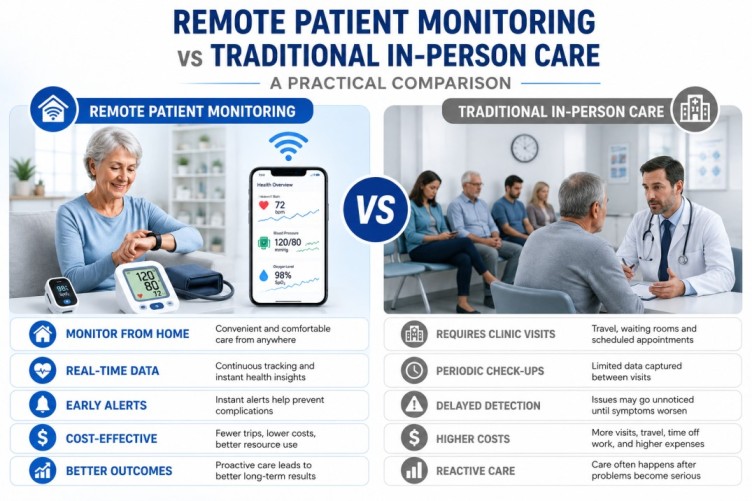
Like traditional healthcare, Remote Patient Monitoring 2026 shares the same goal: helping patients receive safe, effective, and timely medical care. However, they differ in how health information is collected, how often patients interact with healthcare providers, and when face-to-face visits are necessary.
Rather than replacing traditional healthcare, Remote Patient Monitoring complements it by extending clinical oversight beyond the walls of hospitals and medical offices. For many patients, the most effective care plan combines both approaches.
Monitoring Frequency
Traditional healthcare relies on scheduled appointments, where providers assess a patient’s condition during a single visit. In contrast, RPM allows health data to be collected regularly between appointments, giving clinicians a broader understanding of how a patient’s condition changes over time.
Convenience and Accessibility
Routine clinic visits may require travel, waiting time, and time away from work or family responsibilities. Remote Patient Monitoring enables eligible patients to record important health measurements from home while remaining connected with their healthcare team.
This approach can be particularly valuable for older adults, individuals with mobility limitations, and patients living in rural communities.
Clinical Decision-Making
Traditional appointments provide important physical examinations and diagnostic testing that cannot always be performed remotely. RPM complements these visits by supplying continuous health information that may help clinicians identify long-term trends and support more informed treatment decisions.
Together, these approaches create a more complete picture of a patient’s health.
Patient Engagement
Remote Patient Monitoring encourages patients to become active participants in their healthcare by tracking daily health measurements and understanding how lifestyle habits influence their condition. Traditional care remains essential for diagnosis, physical examinations, emergency treatment, and specialized medical procedures.
Remote Patient Monitoring vs Traditional Care
| Feature | Remote Patient Monitoring | Traditional In-Person Care |
|---|---|---|
| Monitoring | Continuous or scheduled home monitoring | Periodic clinic or hospital visits |
| Location | Home or other approved settings | Hospital, clinic, or physician’s office |
| Data Collection | Connected medical devices and digital platforms | Physical examinations and diagnostic testing |
| Provider Interaction | Remote follow-up, messaging, and telehealth | Face-to-face consultations |
| Convenience | Reduces some routine travel for eligible patients | Requires travel and scheduled appointments |
| Best For | Ongoing monitoring of eligible patients | Initial diagnosis, emergencies, physical examinations, and specialized care |
Finding the Right Balance
Remote Patient Monitoring is most effective when integrated into a broader healthcare strategy rather than used as a standalone solution. Regular medical appointments remain essential for comprehensive evaluations, diagnostic procedures, and treatments that require in-person care.
For many patients, combining RPM with traditional healthcare offers the benefits of continuous monitoring while maintaining access to hands-on clinical expertise whenever needed.
Important: The decision to use Remote Patient Monitoring should always be made in consultation with a qualified healthcare provider. Eligibility depends on an individual’s medical condition, treatment goals, and overall healthcare needs.
Understanding Costs in the United States
The cost of Remote Patient Monitoring can vary depending on several factors, including the healthcare provider, the monitoring program, the medical devices used, the patient’s health condition, and insurance coverage. Because every care plan is different, there is no single standard price that applies to all patients.
For many healthcare organizations, RPM is offered as part of a broader care management program rather than as a standalone service. Some patients may have little or no out-of-pocket cost, while others may be responsible for certain expenses based on their insurance plan and eligibility.
Medicare Coverage
In the United States, Medicare has established reimbursement pathways for certain Remote Patient Monitoring services when specific requirements are met. Coverage generally depends on factors such as medical necessity, provider participation, and compliance with applicable Medicare guidelines.
Patients enrolled in Medicare should speak with their healthcare provider or Medicare representative to determine whether Remote Patient Monitoring services may be covered under their individual plan.
Private Health Insurance
Many private insurance companies may also provide coverage for Remote Patient Monitoring programs. However, benefits can vary significantly between insurance providers and individual policies.
Before enrolling in an RPM program, patients are encouraged to verify:
- Whether Remote Patient Monitoring is covered.
- Which monitoring devices are included.
- Any copayments or deductibles that may apply.
- Whether prior authorization is required.
Factors That May Influence Cost
Several variables can affect the overall cost of a Remote Patient Monitoring program, including:
- The patient’s medical condition.
- The type of monitoring devices used.
- The duration of the monitoring program.
- The frequency of provider review.
- Insurance eligibility and reimbursement policies.
Because these factors differ from one patient to another, discussing expected costs with the healthcare provider before starting the program is recommended.
Factors That May Affect RPM Costs
| Factor | Potential Impact |
|---|---|
| Insurance Coverage | May reduce out-of-pocket expenses depending on the plan. |
| Medical Condition | Some conditions may require more frequent monitoring. |
| Monitoring Devices | Costs may vary based on the type of approved medical equipment used. |
| Program Duration | Longer monitoring periods may involve additional services. |
| Healthcare Provider | Pricing and program structure may differ between healthcare organizations. |
Important: Costs, insurance benefits, and reimbursement policies may change over time. Patients should confirm the latest coverage details with their healthcare provider, insurance company, or Medicare before enrolling in a Remote Patient Monitoring program.
The Future of Remote Monitoring Beyond 2026
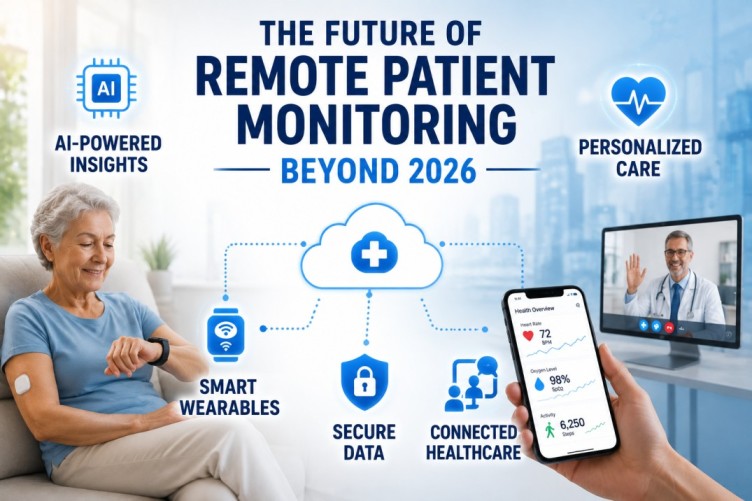
The future of Remote Patient Monitoring continues to evolve alongside advances in digital health, connected medical devices, and healthcare technology. While its long-term adoption will depend on clinical evidence, healthcare policies, and patient needs, several emerging trends may influence how RPM is used in the years ahead.
Rather than replacing traditional healthcare, these innovations are expected to complement existing care models and expand access to personalized health monitoring for eligible patients.
Artificial Intelligence May Support Faster Clinical Insights
Artificial intelligence (AI) is becoming an important part of many digital health platforms. In Remote Patient Monitoring, AI may help organize large volumes of patient data, identify trends, and flag unusual readings for healthcare professionals to review.
Although AI can support data analysis, diagnoses and treatment decisions should always remain the responsibility of qualified healthcare providers.
Wearable Medical Devices Continue to Advance
Wearable health technology continues to become more sophisticated. Future FDA-cleared devices may monitor additional health metrics while improving comfort, battery life, and accuracy.
As wearable technology evolves, patients may find it easier to participate in long-term monitoring programs without significantly disrupting their daily routines.
Greater Integration with Telehealth Services
Remote Patient Monitoring and telehealth are increasingly being used together to support ongoing patient care. In many cases, healthcare providers may review monitoring data before virtual consultations, allowing appointments to focus on treatment decisions rather than data collection.
This integrated approach may improve communication and continuity of care for eligible patients.
More Personalized Healthcare Through Data
Continuous health monitoring may provide healthcare professionals with a broader understanding of how a patient’s condition changes over time. Combined with medical history and clinical evaluation, this information may help support more personalized care plans based on each individual’s healthcare needs.
Expansion of Hospital-at-Home Programs
Many healthcare organizations are exploring hospital-at-home models that combine Remote Patient Monitoring, telehealth, home nursing services, and digital communication.
As healthcare systems continue to evolve, these programs may offer additional options for eligible patients who require ongoing medical supervision outside traditional hospital settings.
Emerging Trends in Remote Patient Monitoring
| Trend | Potential Impact |
|---|---|
| Artificial Intelligence | May help identify health trends and support clinical review. |
| Advanced Wearables | May provide more convenient and accurate health monitoring. |
| Telehealth Integration | May improve communication between patients and providers. |
| Personalized Care | May support treatment plans based on continuous health data. |
| Hospital-at-Home Programs | May expand access to home-based healthcare for eligible patients. |
Looking Ahead: While Remote Patient Monitoring continues to advance, its future success will depend on ongoing research, patient participation, healthcare provider adoption, regulatory standards, and secure technology infrastructure.
💡 Related Reading: Beyond chronic care, artificial intelligence is transforming emergency diagnostics and patient outcomes. Explore our comprehensive guide on
5 incredible ways AI in healthcare is saving lives in 2026 to see how smart tech is redefining medicine.
Frequently Asked Questions (FAQs)
Key Takeaways: Is Remote Patient Monitoring the Right Choice for You?
Remote Patient Monitoring (RPM) is changing how healthcare providers and patients stay connected between medical appointments. By combining connected medical devices, secure digital platforms, and clinical oversight, RPM may support more continuous health monitoring for eligible individuals managing chronic conditions or recovering from certain medical events.
As discussed throughout this guide, RPM is not intended to replace traditional healthcare. Instead, it works alongside routine medical care by providing healthcare professionals with additional health information that may support earlier identification of changes, better care coordination, and more personalized treatment decisions.
Whether Remote Patient Monitoring is appropriate depends on several factors, including your medical condition, healthcare goals, access to compatible technology, and your provider’s recommendations. For some patients, it may offer greater convenience and ongoing support, while others may continue to benefit primarily from traditional in-person care.
If you’re interested in learning whether RPM is suitable for your situation, the best first step is to discuss it with your healthcare provider. They can evaluate your health needs, explain available monitoring options, and recommend a care plan that aligns with your individual circumstances.
Ultimately, Remote Patient Monitoring represents one of many advances in modern healthcare. As technology, clinical research, and healthcare delivery continue to evolve, RPM may play an increasingly important role in supporting connected, patient-centered care for eligible individuals.
Key Points to Remember
| Topic | Summary |
|---|---|
| Purpose | Supports ongoing health monitoring between medical appointments. |
| Best Suited For | Eligible patients with chronic conditions, post-discharge recovery, or long-term monitoring needs. |
| Main Advantages | May improve patient engagement, care coordination, and access to health data. |
| Important Limitation | Complements—not replaces—in-person medical care or emergency services. |
| Next Step | Consult a qualified healthcare provider to determine whether RPM is appropriate for your healthcare needs. |
Medical Disclaimer
General Information Only: The content provided on Fit2Fortune.com, including text, graphics, images, and other material, is for informational and educational purposes only. It is intended to provide a general understanding of Remote Patient Monitoring (RPM) and digital health trends in 2026.
Not Medical Advice: This information is not a substitute for professional medical advice, diagnosis, or treatment. Always seek the advice of your physician or another qualified healthcare provider with any questions you may have regarding a medical condition or the use of specific medical devices.
No Provider-Patient Relationship: Accessing or reading this technical guide does not establish a professional-patient relationship between you and Fit2Fortune. Never disregard professional medical advice or delay seeking it because of something you have read on this website.
Accuracy of Information: While we strive to provide the most accurate and up-to-date information based on clinical protocols from institutions like the Mayo Clinic and Cleveland Clinic, healthcare technology evolves rapidly. Fit2Fortune does not guarantee that all information provided is current or error-free at the time of reading.
Emergency Situations: If you think you may have a medical emergency, call your doctor, go to the nearest emergency department, or call local emergency services immediately. Fit2Fortune does not recommend or endorse any specific tests, physicians, products, procedures, or opinions mentioned in this guide.
References
The information presented in this article is based on publicly available guidance and educational resources from recognized healthcare organizations and government agencies, including:
Centers for Medicare & Medicaid Services (CMS) – Information on Remote Patient Monitoring services, Medicare coverage, reimbursement policies, and digital healthcare initiatives.
U.S. Food and Drug Administration (FDA) – Guidance on FDA-cleared medical devices, digital health technologies, and medical device safety.
National Institutes of Health (NIH) – Research and educational materials on chronic disease management, digital health, and evidence-based healthcare.
Editorial Note: This article is intended for educational purposes and summarizes information from reputable healthcare organizations. It should not be considered a substitute for professional medical advice, diagnosis, or treatment. Readers should consult qualified healthcare professionals for guidance related to their individual health needs.