

TRUSTED SOURCE | HEALTH TIPS | PRODUCT REVIEWS | LATEST EDITION
Can Tinnitus Be Cured? Myths vs Facts You Should Know
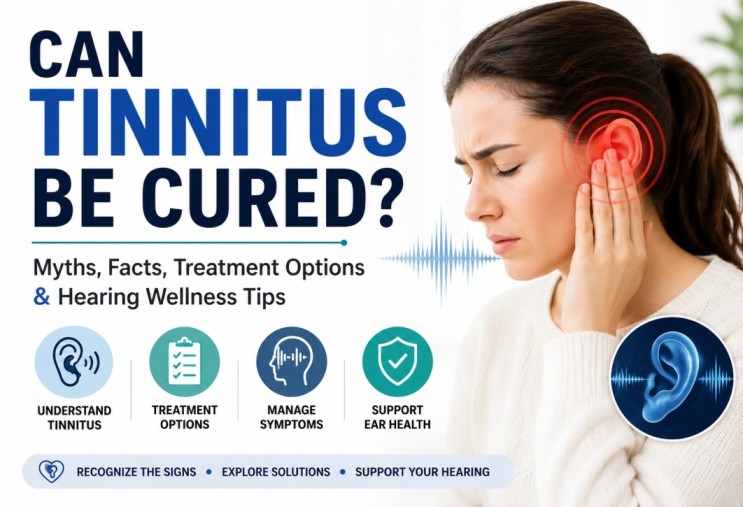
If you’ve spent time searching online, you’ve probably seen countless promises claiming to “stop ear ringing instantly” or “cure tinnitus naturally.” Unfortunately, not everything you read is supported by reliable evidence. This often leaves people feeling confused about what is actually possible and what is simply a myth.
The truth is that tinnitus is not the same for everyone. The underlying cause, overall hearing health, lifestyle habits, and individual circumstances can all influence how the condition is experienced and managed. While some people notice temporary improvement, others may need long-term tinnitus management strategies recommended by healthcare professionals.
In this guide, we’ll separate myths from facts, answer common questions about tinnitus, explore available treatment options, and share simple strategies that may help support your hearing wellness.
Affiliate Disclosure: This article may contain affiliate links. If you purchase a product through one of these links, we may earn a small commission at no additional cost to you. Our recommendations are based on independent research and are intended to help readers make informed decisions. We encourage you to review product details carefully before making a purchase.
The Short Answer: Can Tinnitus Be Cured?
The answer depends on what is causing the tinnitus. In some situations, ear ringing may improve after the underlying issue—such as temporary earwax buildup, an ear infection, or recent exposure to loud noise—is properly addressed. However, in other cases, tinnitus may be associated with long-term hearing changes or other health factors that require ongoing management rather than a permanent solution.
This is why there isn’t a single answer that applies to everyone. Tinnitus treatment is often focused on identifying the possible cause, reducing the impact of symptoms, and helping people improve their overall quality of life. Depending on individual circumstances, healthcare professionals may recommend hearing evaluations, lifestyle adjustments, sound therapy, or other management approaches.
Instead of asking only “Can tinnitus be cured?”, a more helpful question is “What is causing my tinnitus, and what are the most appropriate ways to manage it?” Understanding the underlying reason behind the condition is often the first step toward choosing the most suitable approach for your hearing wellness journey.
What People Often Get Wrong About Tinnitus
Some believe tinnitus always disappears on its own, while others assume it can never improve under any circumstances. There are also widespread misconceptions about natural remedies, hearing changes, and available tinnitus treatment approaches. These misunderstandings can lead to unrealistic expectations or delay the decision to seek appropriate professional guidance.
Before making decisions about your hearing wellness, it’s important to separate commonly repeated myths from practical facts. Understanding the difference can help you make more informed choices and better understand the options that may be available for managing tinnitus.
Common Myths About Tinnitus
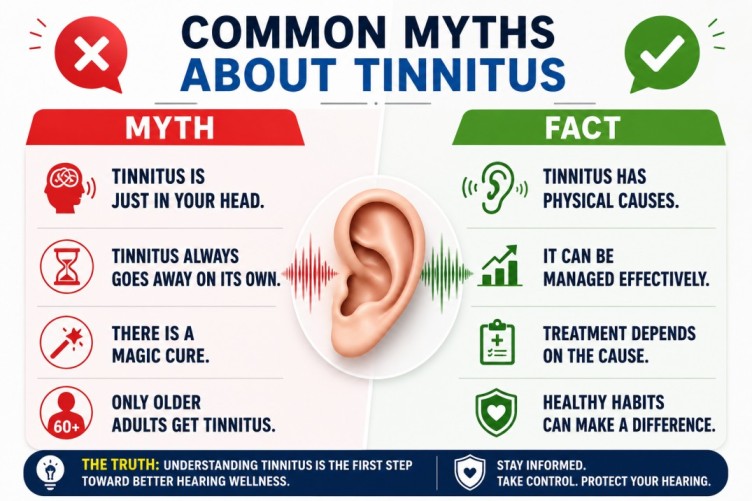
Myth #1: Tinnitus Can Always Be Cured
Many people believe there is a single treatment that works for everyone experiencing tinnitus. In reality, the underlying cause can differ from person to person, so there is no universal solution.
Myth #2: Ringing in the Ears Is Always Permanent
Not every episode of ear ringing lasts forever. Some people experience temporary symptoms, while others may have ongoing tinnitus that requires long-term management.
Myth #3: Only Older Adults Experience Tinnitus
Although tinnitus becomes more common with age, it can affect adults of different ages. Loud noise exposure, hearing changes, and other contributing factors may also be involved.
Myth #4: If Tinnitus Doesn’t Go Away Quickly, Nothing Can Help
Some people assume that persistent tinnitus cannot be managed if it doesn’t improve within a short period. This belief may discourage them from exploring professional evaluation or practical management strategies.
Myth #5: Tinnitus Always Means Hearing Loss
Many people assume that tinnitus automatically indicates permanent hearing loss. However, tinnitus and hearing changes do not always occur together, making professional evaluation important when symptoms persist.
Learn more about tinnitus from the American Tinnitus Association.
The Facts You Should Know
Understanding tinnitus becomes much easier when you focus on practical facts instead of common misconceptions. While there isn’t a single answer that applies to everyone, several well-established principles can help you set realistic expectations and make informed decisions about your hearing health.
Tinnitus Management Depends on the Underlying Cause
The most appropriate approach often begins with identifying possible contributing factors. A healthcare professional may recommend different management strategies depending on your symptoms, hearing status, and overall health rather than following a single treatment plan for every individual.
Early Evaluation May Be Helpful
If ear ringing appears suddenly, becomes persistent, or occurs alongside hearing changes, dizziness, or ear discomfort, seeking a professional evaluation can help determine the next appropriate steps. Early assessment may also help rule out other underlying conditions that require medical attention.
Healthy Daily Habits Can Make a Difference
Protecting your ears from excessive noise, getting adequate sleep, managing everyday stress, and maintaining overall health may all contribute to better hearing wellness. While these habits are not a cure, they can become part of a long-term management routine.
Reliable Information Matters
There is a lot of information about tinnitus available today, but not all of it is accurate or easy to understand. Taking time to learn the basics and discussing persistent symptoms with a healthcare professional can help you make more informed decisions about your hearing wellness.
Treatment Options That May Help Manage Tinnitus
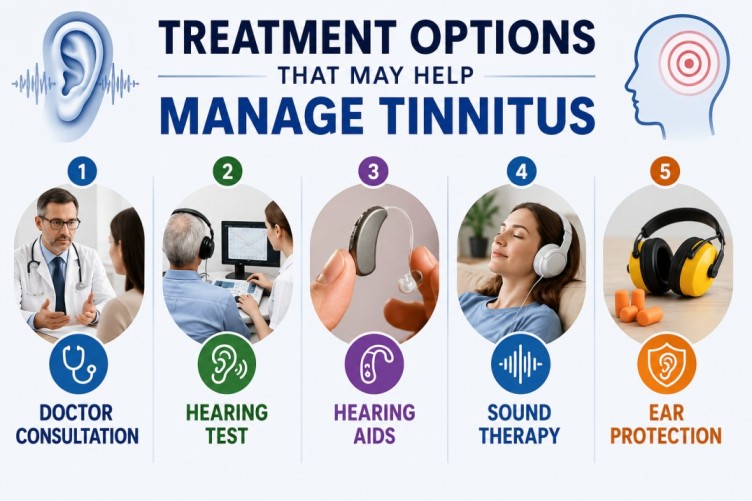
Although many people ask “Can tinnitus be cured permanently?”, the primary goal of most tinnitus treatment options is to reduce the impact of symptoms and improve everyday quality of life. The most appropriate approach can vary depending on the possible cause, overall hearing health, and individual needs.
For some people, healthcare professionals may recommend sound therapy to make ear ringing less noticeable, while others may benefit from hearing aids if hearing changes are also present. In certain situations, addressing an underlying ear condition or reviewing current medications may also be considered as part of an overall management plan.
Beyond clinical care, simple daily habits can also play an important role. Protecting your ears from loud noise, getting enough sleep, reducing everyday stress, and following healthy listening habits are often recommended as part of a long-term strategy. While these approaches may not eliminate tinnitus, they can contribute to tinnitus relief and support overall hearing wellness over time.
Explore MedlinePlus for trusted information about tinnitus.
Lifestyle Habits That May Support Hearing Wellness

While there is no single daily habit that works for everyone, healthy routines can become an important part of long-term ear care. People looking for how to manage tinnitus naturally often begin by making small lifestyle changes that support their overall hearing wellness.
Limiting exposure to loud environments, using hearing protection when needed, and keeping headphone volume at a safe level may help reduce unnecessary strain on your ears. Many healthcare professionals also encourage maintaining good sleep habits, staying physically active, and managing everyday stress, as these factors can influence how some people experience tinnitus.
A balanced diet, proper hydration, and regular health check-ups can also contribute to overall well-being. Although these habits are not a replacement for professional care, they are often included among the best ways to manage tinnitus as part of a broader hearing wellness plan. Building consistent healthy routines may support better ear health over time and help you feel more confident in managing everyday hearing challenges.
Can Tinnitus Be Cured? Setting Realistic Expectations
If you’re still asking “Is tinnitus curable?”, the most realistic answer is that the experience can be different for every individual. The outcome often depends on factors such as the possible underlying cause, overall hearing health, and how early the condition is evaluated. This is why there is no single answer that applies to every case.
Rather than expecting an overnight solution, many people find it more helpful to focus on long-term hearing wellness and practical symptom management. Building healthy daily habits, following professional advice when needed, and understanding available management options can all become part of a balanced approach.
If you are exploring additional ways to support your hearing wellness, you may also come across natural hearing supplements. While these products are widely available, they should be viewed as part of a broader wellness routine rather than a guaranteed solution. Learning about their ingredients, intended purpose, and manufacturer information can help you make more informed decisions before trying any product.
If you’d like to learn more about hearing wellness supplements, explore 👇🏼 our detailed reviews before making your decision.
👉🏼 Discover the warning signs that persistent buzzing in the ear should never be ignored.
👉🏼 Healthy daily routines may play an important role in supporting hearing wellness. Explore practical natural tips that fit easily into your everyday lifestyle.
Final Verdict: Can Tinnitus Be Cured?
So, can tinnitus be cured? The answer is not always straightforward. Tinnitus is a symptom rather than a condition with a single solution, and the experience can vary from one person to another. While some cases may improve after addressing an underlying cause, others may require long-term management to reduce the impact on daily life.
Instead of searching for a quick fix, it’s often more helpful to focus on understanding your symptoms, protecting your hearing, and following an approach that supports your overall hearing wellness. If tinnitus becomes persistent, worsens over time, or is accompanied by other hearing changes, seeking professional medical advice is an important next step.
Staying informed, maintaining healthy hearing habits, and making well-informed decisions can help you manage tinnitus more confidently while supporting your long-term ear health.
Frequently Asked Questions
- Can tinnitus be cured permanently?
The answer depends on the possible underlying cause. Some cases may improve after the contributing factor is addressed, while others may require ongoing management rather than a permanent solution. A healthcare professional can help determine the most appropriate approach based on individual circumstances.
- Does tinnitus ever go away on its own?
In some situations, temporary tinnitus may become less noticeable over time, particularly if it is linked to a short-term trigger. However, persistent symptoms should not be ignored and may benefit from professional evaluation.
- What are the best ways to manage tinnitus naturally?
Healthy hearing habits such as protecting your ears from loud noise, getting enough sleep, managing everyday stress, and maintaining overall wellness may support long-term hearing health. These habits should complement—not replace—professional medical advice when needed.
- When should I see a doctor for tinnitus?
You should consider seeking medical advice if tinnitus appears suddenly, continues for an extended period, becomes more noticeable, or occurs alongside hearing changes, dizziness, ear pain, or other concerning symptoms.
- Are hearing wellness supplements a cure for tinnitus?
No supplement should be considered a guaranteed cure for tinnitus. Some people choose to include hearing wellness supplements as part of their overall wellness routine, but results can vary. It’s always a good idea to review product information carefully and consult a healthcare professional before starting any new supplement.
Thinking About Hearing Wellness Supplements?
If you’re exploring natural ways to support your hearing wellness, take time to compare ingredients, intended benefits, pricing, and customer feedback before making a decision. Understanding how different hearing support formulas are designed can help you choose the option that best fits your needs.
Medical Disclaimer
The information provided in this article is for educational and informational purposes only and should not be considered medical advice, diagnosis, or treatment. Always consult a qualified healthcare professional before making decisions about your health, especially if you have persistent symptoms, an existing medical condition, or are taking prescription medications.
Image Disclaimer
The images, illustrations, and infographics used in this article are created for educational and visual reference purposes only. They are intended to simplify health-related concepts and should not be interpreted as diagnostic tools or an exact representation of any medical condition.