

TRUSTED SOURCE | HEALTH TIPS | PRODUCT REVIEWS | LATEST EDITION
12 Hidden Tinnitus Causes You Should Never Ignore
Have you recently noticed a persistent ringing, buzzing, or humming sound that no one else seems to hear? If so, you’re probably wondering what is causing it and whether it’s something you should be concerned about. Understanding tinnitus causes is often the first step toward making informed decisions about your hearing health.
Tinnitus is not a condition on its own—it is a symptom that can be linked to a wide range of underlying factors. For some people, it may develop after prolonged exposure to loud noise, while for others it may be associated with age-related hearing changes, earwax buildup, certain medications, or other health conditions. Because the possible causes vary from person to person, identifying the source of the sound is more important than making assumptions.
In this evidence-based guide, you’ll learn about the most common tinnitus causes, the symptoms that may accompany them, when it’s appropriate to seek medical advice, and practical steps that may help support long-term hearing wellness. Whether your symptoms are occasional or persistent, this article will help you better understand why your ears keep ringing and what factors may be involved.
Affiliate Disclosure: This article may contain affiliate links. If you purchase a product through these links, we may earn a small commission at no additional cost to you. This helps support our website and allows us to continue creating free educational content.
What Is Tinnitus?
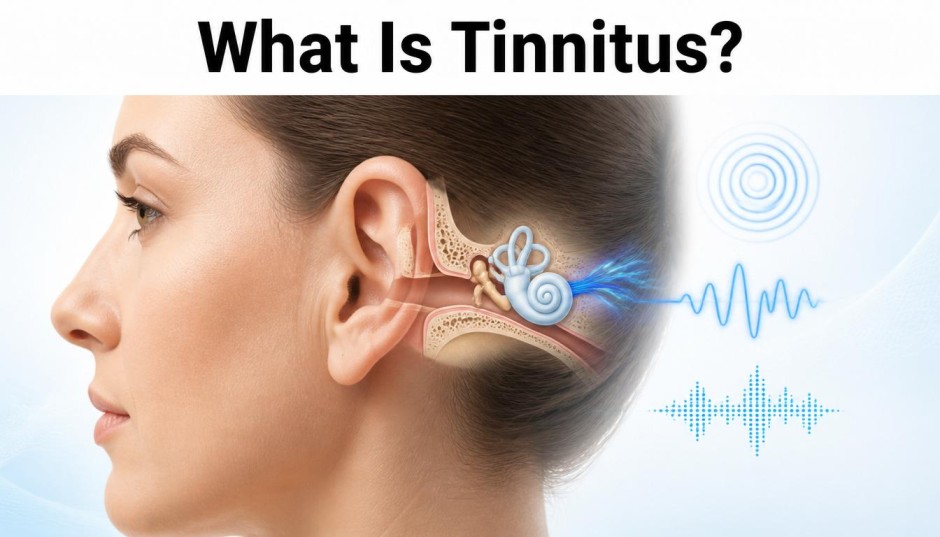
Tinnitus is the perception of sound when no external source is present. People experiencing tinnitus may hear ringing, buzzing, humming, hissing, clicking, or whistling sounds in one or both ears. The sound can be constant or occasional, and its intensity may vary from person to person.
Rather than being a disease itself, tinnitus is generally considered a symptom that may be associated with different hearing or health-related factors. Some individuals notice the sound only in quiet environments, while others may experience it throughout the day, making it more noticeable during work, relaxation, or sleep.
Tinnitus can affect adults of any age, although it becomes more common as people grow older or after repeated exposure to loud environments. In many cases, the condition is temporary, but for some individuals, the sound may persist for weeks, months, or longer. Because every person’s experience is different, understanding what tinnitus is provides an important foundation before exploring the possible causes and management options.
Common Tinnitus Causes Explained
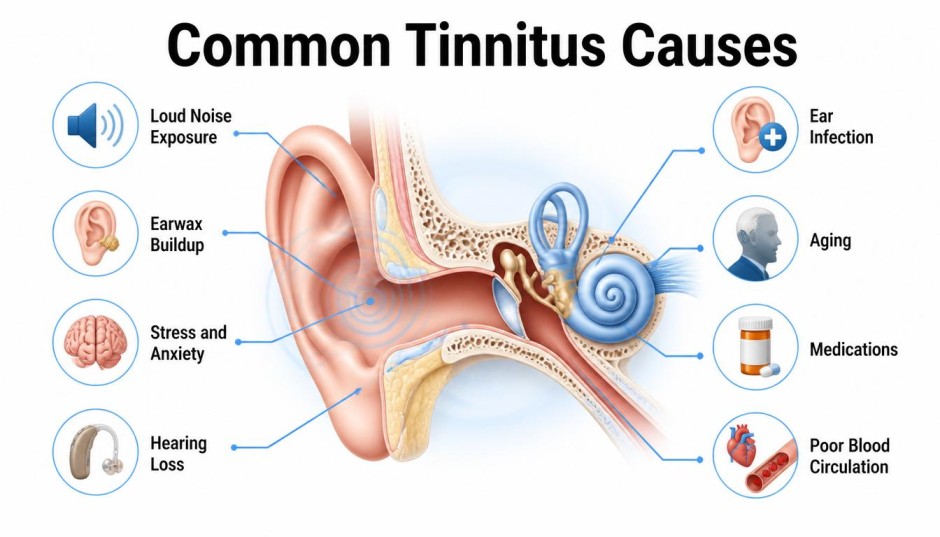
Understanding tinnitus causes is the first step toward finding out why your ears may be ringing, buzzing, or humming. While tinnitus itself is a symptom rather than a disease, several everyday habits, ear-related conditions, and overall health factors may contribute to these unwanted sounds. Learning about the most common causes of tinnitus can help you better understand what might be affecting your hearing and when it may be appropriate to seek professional medical advice.
Lifestyle and Environmental Causes
Loud Noise Exposure
Repeated exposure to loud sounds is one of the most common tinnitus causes. Listening to music at high volume, attending concerts, using power tools, or working in noisy environments without proper hearing protection may place extra stress on the delicate structures inside the ear. Over time, this may increase the likelihood of experiencing ringing in the ears, temporary ear buzzing, or other hearing-related symptoms.
Stress and Anxiety
Emotional stress and anxiety do not necessarily cause tinnitus, but many people notice that the sounds become more noticeable during stressful periods. Poor sleep, ongoing mental pressure, and fatigue may also make it harder to ignore persistent ear ringing. Managing stress through healthy daily habits may help improve overall well-being while reducing awareness of these sounds.
Certain Medications
Some prescription and over-the-counter medicines have been associated with temporary tinnitus in certain individuals. If you notice ringing in your ears after starting a new medication, speak with your healthcare provider before stopping or changing your treatment. Never adjust prescribed medication without professional guidance.
Ear-Related Causes
Earwax Buildup
Excess earwax may block part of the ear canal and interfere with the way sound travels to the inner ear. This temporary blockage may contribute to buzzing in the ear, muffled hearing, or ringing sounds in some people. Safe earwax removal by a qualified healthcare professional may help if excessive buildup is confirmed.
Ear Infections
Ear infections may cause inflammation, pressure, or fluid buildup inside the ear, which can temporarily affect hearing. During an infection, some individuals notice ringing in the ears, buzzing sounds, or a feeling of fullness. These symptoms often improve as the underlying ear condition is properly treated.
Inner Ear Conditions
Certain inner ear conditions may affect balance, hearing, and sound perception. In some cases, these changes can contribute to ongoing tinnitus symptoms. Because inner ear problems can have different causes, a proper medical evaluation is important if symptoms continue or become more severe.
Many people wonder whether tinnitus can actually be cured or if long-term management is the more realistic approach. Explore the myths and facts before making assumptions about ear ringing.
Age and Health-Related Causes
Age-Related Hearing Changes
As people grow older, natural hearing changes may occur. This gradual decline in hearing sensitivity is among the most recognized tinnitus causes, especially in older adults. Some individuals begin noticing ringing or humming sounds even in quiet environments as hearing changes become more noticeable over time.
Hearing Loss
Many people with hearing loss also experience tinnitus. Although not everyone develops both conditions, reduced hearing may change the way the brain processes sound, making internal noises easier to notice. If ringing in the ears is accompanied by hearing loss, professional hearing assessment may be recommended.
Blood Circulation Problems
Healthy blood circulation plays an important role in supporting normal ear function. In some individuals, circulation-related changes may influence hearing and contribute to tinnitus symptoms. Healthcare professionals may evaluate overall cardiovascular health when investigating persistent ear ringing without an obvious cause.
Other Possible Causes
Jaw Problems
Problems involving the jaw joint, teeth alignment, or jaw muscles may occasionally contribute to ear discomfort or ringing sounds. Some people notice that their tinnitus changes while chewing, talking, or moving the jaw, suggesting that nearby muscles and joints may play a role.
Head or Neck Injuries
An injury involving the head or neck may affect nerves, muscles, or hearing pathways connected to the ears. Depending on the type of injury, some individuals may develop temporary or long-lasting tinnitus symptoms that should be evaluated by a healthcare professional.
Other Health Conditions
Not every case has a single explanation. Sometimes tinnitus causes may be linked to underlying health conditions affecting hearing, circulation, metabolism, or the nervous system. Because the reasons behind tinnitus can vary from person to person, persistent or worsening symptoms should always be assessed by a qualified healthcare provider instead of relying on self-diagnosis.
👉🏼 Read the Mayo Clinic guide to tinnitus symptoms and causes.
Common Symptoms That May Accompany Tinnitus
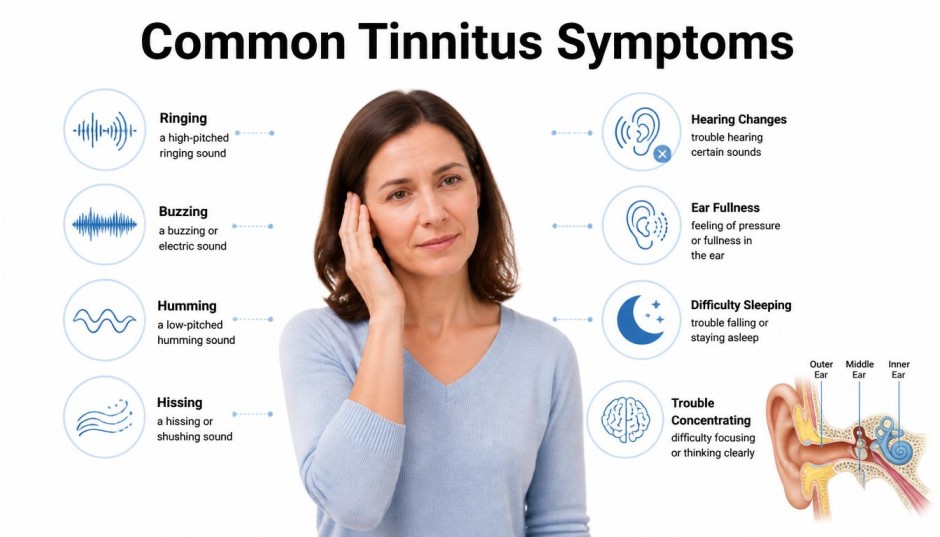
Although tinnitus is best known for causing ringing sounds, the experience can vary significantly from one person to another. Some individuals notice mild symptoms that come and go, while others experience sounds that become more noticeable during quiet moments or before sleep. Recognizing these common symptoms may help you better understand when it’s appropriate to seek professional advice.
Ringing, Buzzing, or Humming Sounds
The most common symptom is hearing sounds that are not coming from an outside source. These may include ringing in the ears, buzzing, humming, hissing, clicking, or whistling. The sound may affect one ear, both ears, or seem as though it is coming from inside the head.
Symptoms That Become More Noticeable in Quiet Places
Many people find that tinnitus is easier to notice in quiet environments, such as while reading, relaxing, or trying to fall asleep. Without background noise, even mild ear sounds may seem louder or more distracting.
Difficulty Concentrating or Sleeping
Persistent ear noise may make it harder for some individuals to focus during the day or enjoy restful sleep at night. This doesn’t happen to everyone, but ongoing symptoms can sometimes affect daily comfort and overall quality of life.
Changes in Hearing
Some people experience tinnitus together with muffled hearing or gradual hearing changes. If ringing in the ears is accompanied by noticeable hearing loss, professional hearing evaluation is recommended to identify any underlying concerns.
Ear Fullness or Mild Pressure
In certain cases, tinnitus may occur alongside a feeling of fullness, pressure, or discomfort inside the ear. These symptoms may be temporary or associated with other ear-related conditions that require medical assessment.
When Symptoms Become Persistent
Occasional ringing after loud noise exposure may improve on its own. However, if ringing in the ears lasts for several days, becomes more frequent, or begins affecting everyday activities, it is advisable to consult a qualified healthcare professional for further evaluation
When Should You See a Doctor?
Occasional ringing in the ears after exposure to loud noise may improve on its own within a short period. However, if tinnitus becomes frequent, persistent, or starts interfering with your daily activities, it’s important not to ignore the symptoms. A healthcare professional can help determine whether an underlying ear or health condition requires further evaluation.
You should consider seeking medical advice if you experience any of the following:
- Ringing in the ears that lasts for several days or continues to return frequently.
- Sudden hearing loss or noticeable changes in hearing alongside tinnitus.
- Persistent ear pain, pressure, or fluid discharge.
- Dizziness, balance problems, or severe vertigo together with ear ringing.
- Tinnitus that affects your sleep, concentration, or overall quality of life.
- Ringing in only one ear without an obvious reason.
Early evaluation does not always mean that a serious condition is present. In many cases, identifying the underlying tinnitus causes can help healthcare professionals recommend appropriate management options or determine whether additional hearing tests are needed. Seeking medical advice promptly is especially important if your symptoms appear suddenly, become progressively worse, or are accompanied by other unusual hearing changes.
Can Tinnitus Be Prevented?

Although not every case can be prevented, adopting healthy daily habits may help reduce the risk of certain tinnitus causes while supporting long-term hearing wellness. Protecting your ears and maintaining overall health are practical steps that may contribute to better hearing over time.
Protect Your Hearing from Loud Noise
Repeated exposure to loud sounds is one of the most recognized risk factors for tinnitus. Wearing hearing protection when using power tools, attending concerts, or working in noisy environments may help reduce unnecessary strain on your ears.
Keep the Volume at a Safe Level
Whether you’re using headphones, earbuds, or speakers, avoid listening at excessively high volumes for long periods. Taking regular listening breaks may also help support healthy hearing habits.
Avoid Cleaning Your Ears with Cotton Swabs
Cotton swabs can push earwax deeper into the ear canal instead of removing it. If you suspect excessive earwax buildup, consult a qualified healthcare professional rather than attempting to remove it yourself.
Manage Stress and Prioritize Quality Sleep
Ongoing stress and poor sleep may make ringing in the ears feel more noticeable for some people. Relaxation techniques, regular physical activity, and consistent sleep habits may support overall well-being and help you cope with tinnitus more effectively.
Maintain Your Overall Health
Keeping blood pressure, blood sugar, and cardiovascular health within recommended ranges may contribute to healthy circulation, which plays an important role in supporting normal ear function. Regular health checkups can also help identify conditions that may affect hearing.
Seek Early Medical Advice for Persistent Symptoms
If you continue to experience persistent ringing in the ears, hearing changes, or recurring ear discomfort, don’t wait until the symptoms become more severe. Early evaluation may help identify possible tinnitus causes and guide appropriate management based on your individual situation.
👉🏼 Looking for practical ways to manage everyday ear ringing? Discover simple lifestyle habits that may support better hearing wellness naturally.
Can Natural Supplements Support Ear Wellness?

Many people explore natural approaches alongside healthy lifestyle habits when looking to support their hearing wellness. While no dietary supplement is intended to diagnose, treat, cure, or prevent tinnitus, certain products contain vitamins, minerals, antioxidants, amino acids, and plant-based ingredients that are commonly researched for supporting normal nerve function, healthy circulation, and overall ear health.
Natural supplements should always be viewed as part of a broader wellness routine—not as a replacement for professional medical advice, hearing evaluations, or a balanced diet. Their effectiveness can vary depending on individual factors such as age, overall health, lifestyle habits, and the underlying tinnitus causes.
If you’re considering adding a hearing wellness supplement to your routine, it’s important to review the ingredient profile, manufacturer information, quality standards, and available scientific evidence before making a purchase. Choosing products from reputable manufacturers and maintaining realistic expectations can help you make a more informed decision.
👉🏼 Discover what makes one hearing wellness formula stand out from the rest.
Final Verdict
Understanding the most common tinnitus causes is an important first step toward protecting your hearing and making informed health decisions. While occasional ringing in the ears may be temporary, persistent or worsening symptoms should never be ignored, especially if they are accompanied by hearing changes, dizziness, or ongoing ear discomfort.
Because tinnitus can result from many different factors—including loud noise exposure, age-related hearing changes, earwax buildup, stress, or certain underlying health conditions—there is no single solution that works for everyone. Identifying the possible cause through professional evaluation is often the best way to determine the most appropriate management approach.
In addition to following healthy hearing habits and seeking medical advice when needed, some people choose to explore natural hearing wellness supplements as part of their overall routine. The key is to make informed decisions, rely on trustworthy information, and maintain realistic expectations about the results.
Frequently Asked Questions (FAQs)
What are the most common tinnitus causes?
The most common tinnitus causes include prolonged loud noise exposure, age-related hearing loss, earwax buildup, ear infections, stress, certain medications, and some underlying health conditions. Because tinnitus can have multiple contributing factors, a proper medical evaluation is recommended if symptoms persist.
Can tinnitus go away on its own?
Yes, temporary tinnitus may improve on its own, especially if it occurs after loud noise exposure or a minor ear issue. However, if the ringing lasts for several days, becomes more frequent, or is accompanied by hearing loss or dizziness, you should consult a healthcare professional.
Can stress make tinnitus worse?
Stress is not always a direct cause of tinnitus, but it may make existing symptoms feel more noticeable. Managing stress through healthy sleep, regular exercise, and relaxation techniques may help some individuals cope with persistent ear ringing.
When should I see a doctor for tinnitus?
You should seek medical advice if tinnitus lasts for several days, suddenly becomes worse, occurs with hearing loss, dizziness, severe ear pain, or affects your sleep and daily activities. Early evaluation may help identify the underlying cause.
Can natural supplements help support hearing wellness?
Some natural supplements contain vitamins, minerals, antioxidants, and botanical ingredients that are commonly researched for supporting overall hearing wellness. However, supplements should not replace professional medical care, and individual results may vary depending on the underlying tinnitus causes and overall health.

Discover Natural Approach
If you’re exploring natural ways to support your hearing health, choosing the right supplement starts with understanding its ingredients, quality standards, and manufacturer claims. Taking time to review these details can help you make a more informed decision based on your individual needs.
Medical Disclaimer
The information provided in this article is for educational and informational purposes only and should not be considered medical advice, diagnosis, or treatment. Always consult a qualified physician or licensed healthcare professional before making any decisions regarding your health, especially if you have an existing medical condition, are taking prescription medications, or are experiencing persistent hearing problems or tinnitus symptoms. Never ignore professional medical advice or delay seeking treatment based on information found on this website.
Image Disclaimer: The images and medical illustrations featured in this article are created for educational and informational purposes only. They should not be interpreted as diagnostic tools or used as a substitute for professional medical evaluation or treatment.