
🧩 Digestive Problems: How to Improve Digestion Naturally

Many people experience digestive problems like bloating, gas, acidity, constipation, or indigestion in their daily lives. Busy schedules, irregular eating habits, fast food, stress, and lack of physical activity can all affect how well the digestive system works. Over time, these habits may lead to discomfort after meals and poor gut health.
A healthy digestive system is important for overall well-being. Good digestion helps the body absorb nutrients properly, maintain energy levels, and support everyday health. When digestion becomes weak, it can affect how you feel throughout the day and may lead to frequent stomach discomfort.
The good news is that simple lifestyle changes and healthier eating habits may help support better digestion naturally. Understanding the common causes and symptoms of digestive problems is the first step toward improving gut health and feeling better every day.
TRUSTED SOURCE | HEALTH TIPS – PRODUCT REVIEW |
| LATEST EDITION |
Table of Contents
This article may contain affiliate links. If you purchase through these links, we may earn a small commission at no additional cost to you. We only share products or resources that align with the topic of health and wellness.
A healthy digestive system is important for overall well-being. Good digestion helps the body absorb nutrients properly, maintain energy levels, and support daily health. When digestion becomes weak, people may experience tiredness, bloating, acidity, constipation, and other stomach-related discomforts.
The simple lifestyle and food habits may help support better digestion naturally. In this blog, you will learn some common causes of digestive problems and practical ways to improve digestion with easy daily habits.
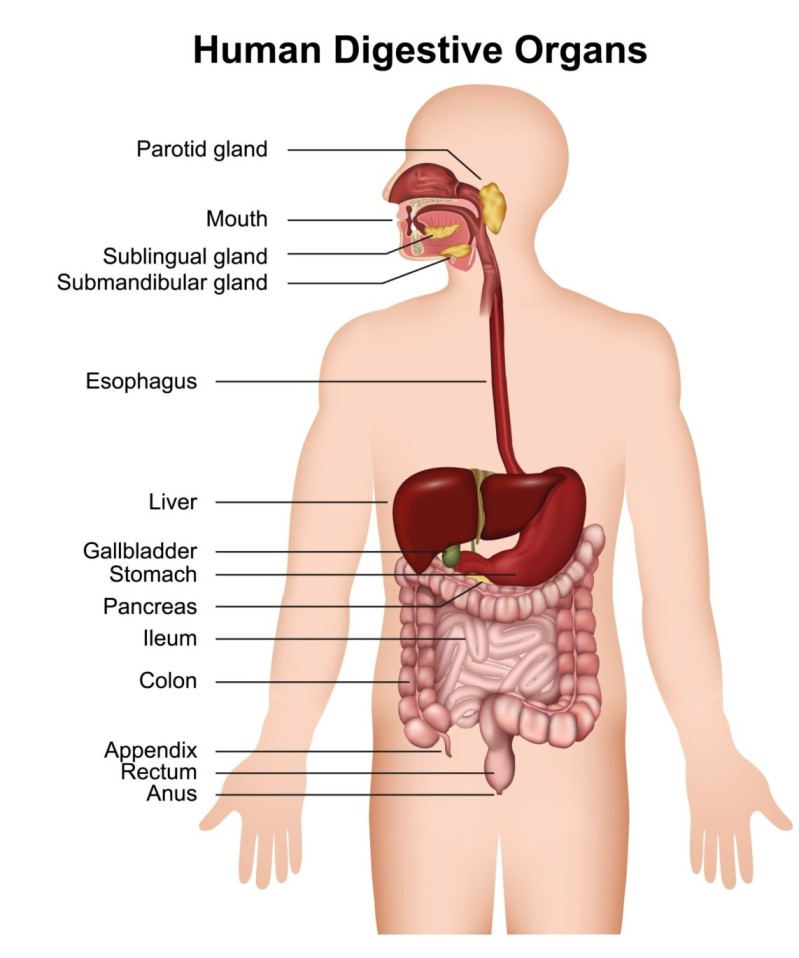
Key Organs of the Human Digestive System
This diagram illustrates the essential components involved in human digestion
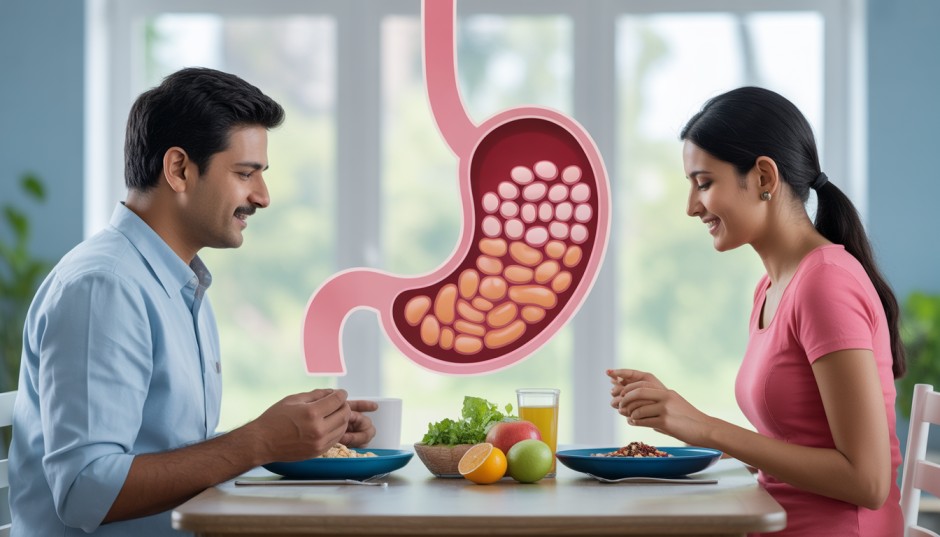
Healthy eating habits can support better digestion and overall gut health. Eating fresh fruits, vegetables, and fiber-rich foods may help the digestive system work more smoothly and support proper nutrient absorption.
Simple habits like eating slowly, chewing food properly, and avoiding overeating may also help reduce bloating and stomach discomfort. A balanced diet combined with mindful eating can make a positive difference in digestive health.
🧩 Common Digestive Problems and Their Symptoms
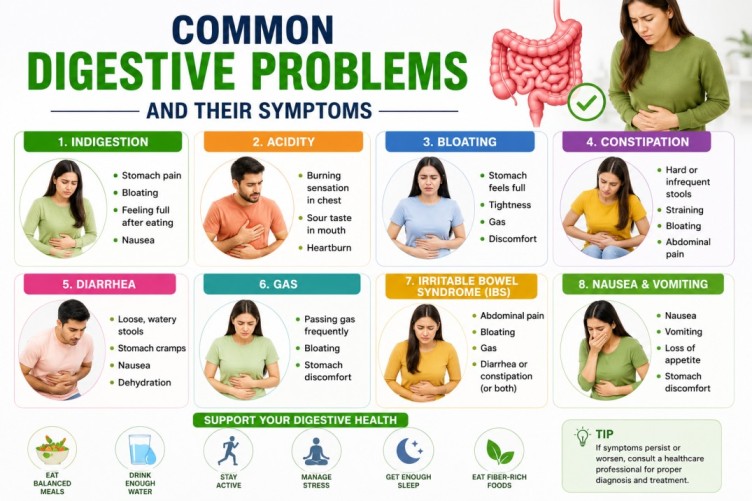
Digestive issues can affect people in different ways. Some symptoms may appear occasionally after eating heavy meals, while others can become frequent due to unhealthy eating habits, stress, or poor lifestyle choices. Understanding these common digestive problems may help you identify early signs of poor digestion and take steps to support better gut health.
Bloating and Gas
Feeling bloated after meals is one of the most common digestive complaints. The stomach may feel tight, heavy, or swollen due to excess gas buildup. Eating too quickly, overeating, carbonated drinks, and certain foods can sometimes contribute to bloating and stomach discomfort.
Acidity and Heartburn
Acidity and heartburn can cause a burning sensation in the chest or throat, especially after spicy, oily, or late-night meals. Frequent acid reflux may be linked to poor eating habits, stress, or lying down immediately after eating.
Constipation
Constipation happens when bowel movements become less frequent or difficult to pass. Low fiber intake, dehydration, lack of physical activity, and irregular meal timings are some common factors that may slow down digestion and affect gut health.
Indigestion
Indigestion may cause stomach discomfort, nausea, fullness, or heaviness after eating. It can sometimes happen after consuming large meals, fried foods, or eating too fast. In many cases, simple lifestyle and dietary changes may help support better digestion naturally.
Stomach Cramps and Discomfort
Occasional stomach pain or cramps may occur due to gas, food sensitivities, stress, or digestive imbalance. Persistent discomfort should not be ignored, especially if it happens regularly after meals.
Looking for Extra Digestive Support?
Explore Natural Support for Gut Health
Daily Digestive Support Made Simple
Natural Wellness Support for Digestive Comfort
🧩 Common Causes of Digestive Problems
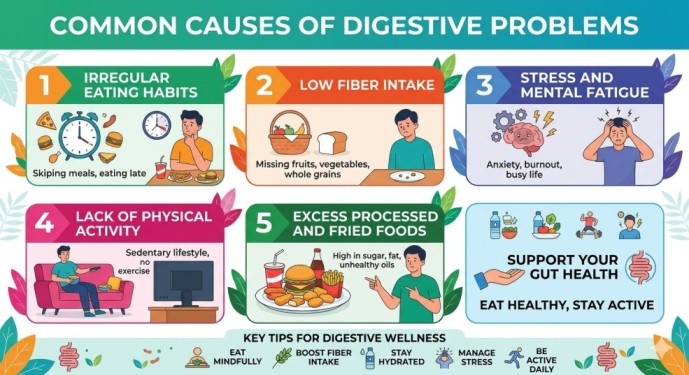
Many digestive issues are linked to daily lifestyle and eating habits. Busy schedules, unhealthy food choices, stress, and lack of physical activity can all affect how well the digestive system works. Over time, these habits may lead to bloating, acidity, constipation, and other stomach-related discomforts.
Irregular Eating Habits
Skipping meals, eating too quickly, or having late-night dinners may disturb the natural digestion process. Long gaps between meals and overeating can also make digestion feel slow and uncomfortable.
Low Fiber Intake
Fiber plays an important role in supporting healthy digestion and regular bowel movements. Diets that are low in fruits, vegetables, and whole grains may increase the risk of constipation and poor gut health.
Low Fiber Intake
Drinking less water throughout the day may slow down digestion and make bowel movements difficult. Proper hydration helps the digestive system work more smoothly and supports overall gut health.
Stress and Mental Fatigue
Stress can affect the digestive system more than many people realize. High stress levels may contribute to stomach discomfort, acidity, changes in appetite, and digestive imbalance in some people.
Lack of Physical Activity
Regular movement helps support healthy digestion. Sitting for long hours and having a less active lifestyle may slow down digestion and increase feelings of heaviness or bloating after meals.
Excess Processed and Fried Foods
Frequent consumption of oily, fried, packaged, and heavily processed foods may irritate the stomach and affect digestion over time. These foods are often low in nutrients and fiber, which are important for digestive health.
🧩 Foods That Support Better Digestion
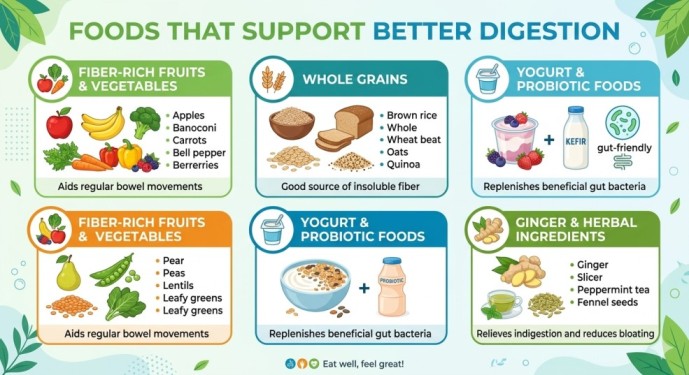
The foods you eat every day can have a big impact on digestive health. A balanced diet with fiber-rich foods, enough fluids, and natural ingredients may help support smoother digestion and reduce stomach discomfort. Making small changes to daily meals can often improve how the digestive system feels and functions.
Fiber-Rich Fruits and Vegetables
Fruits and vegetables provide fiber, vitamins, and nutrients that support healthy digestion. Foods like apples, bananas, papaya, spinach, carrots, and leafy greens may help support regular bowel movements and overall gut health.
Whole Grains
Whole grains such as oats, brown rice, and whole wheat contain fiber that may help digestion work more smoothly. These foods can also help people feel fuller for longer and support regular bowel habits.
Yogurt and Probiotic Foods
Yogurt and other probiotic-rich foods may help support healthy gut bacteria. A balanced gut microbiome plays an important role in digestion and may help reduce bloating or stomach discomfort in some people.
Yogurt and Probiotic Foods
Proper hydration is important for healthy digestion. Drinking enough water throughout the day may help the body process food more efficiently and support smoother bowel movements. Foods with high water content, such as cucumber and watermelon, may also help.
Ginger and Herbal Ingredients
Natural ingredients like ginger, mint, and fennel are commonly used to support digestion. Many people use them to help with feelings of heaviness, bloating, or mild stomach discomfort after meals.
Foods to Limit
Highly processed foods, sugary snacks, fried foods, and excessive soft drinks may sometimes affect digestion and increase feelings of acidity or bloating. Eating these foods in moderation may help support better digestive health over time.
🧩 Natural Ways to Improve Digestion
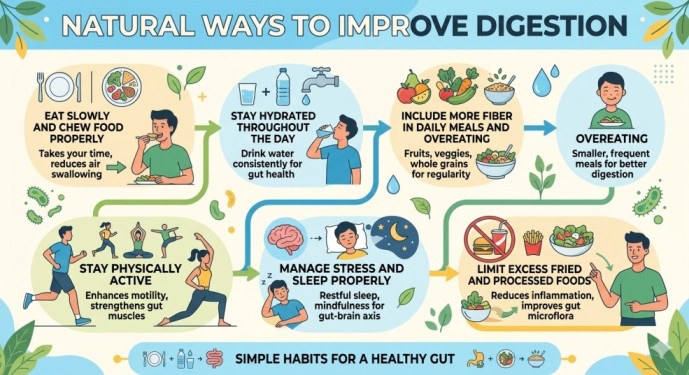
Improving digestion does not always require major changes. Simple daily habits related to food, hydration, sleep, and physical activity may help support better digestion naturally. Small improvements in routine can often make a noticeable difference over time.
Eat Slowly and Chew Food Properly
Eating too quickly may sometimes lead to bloating, heaviness, or stomach discomfort after meals. Taking time to chew food properly can help the digestive system break down food more easily and support smoother digestion.
Stay Hydrated Throughout the Day
Drinking enough water is important for overall digestive health. Proper hydration may help the body process food more efficiently and support regular bowel movements.
Include More Fiber in Daily Meals
Fiber-rich foods such as fruits, vegetables, oats, and whole grains may help support healthy digestion and gut health. Gradually increasing fiber intake can also help reduce constipation in some people.
Avoid Overeating
Large meals may sometimes put extra pressure on the digestive system and increase feelings of heaviness or acidity. Eating moderate portions and maintaining regular meal timings may help digestion feel more comfortable.
Stay Physically Active
Light physical activity such as walking after meals or regular exercise may help support healthy digestion. Movement can help the digestive system work more efficiently and reduce bloating in some cases.
Manage Stress and Sleep Properly
Stress and poor sleep may affect digestion and overall well-being. Relaxation, proper sleep, and stress management habits may help support a healthier digestive system over time.
Limit Excess Fried and Processed Foods
Frequently eating oily, heavily processed, or sugary foods may affect digestion and increase stomach discomfort for some people. Choosing balanced meals more often may help support better digestive health naturally.
🧩 When Digestive Problems Need Medical Attention
Occasional bloating, gas, or stomach discomfort can happen from time to time, especially after heavy or unhealthy meals. However, if digestive symptoms become frequent or continue for a long period, it may be important to pay closer attention to them.
Persistent acidity, severe stomach pain, ongoing constipation or diarrhea, difficulty swallowing, unexplained weight loss, or blood in the stool should not be ignored. These symptoms may sometimes indicate a more serious digestive issue that needs proper medical attention.
Listening to your body and seeking help when symptoms continue may help prevent complications and support better long-term digestive health.
🧩 Spices That May Support Better Digestion
The core principles of Indian digestive health are rooted in ancient wisdom. According to the Charaka Samhita, the strength of our digestion (Agni) is the foundation of our overall well-being
To understand the root of digestive health, one must look at the Method of taking food as described in Charaka Samhita. It provides 10 essential gold rules—like eating warm food and maintaining proper gaps between meals—that are still scientifically relevant today.”
Indian kitchens are a treasure trove of medicinal spices. Long before modern supplements existed, these traditional ingredients were used to keep the gut healthy. Integrating these into your daily meals can significantly reduce the frequency of digestive problems .
1. Ginger (Adrak)
Ginger contains a bioactive compound called gingerol, which has powerful anti-inflammatory and antioxidant effects. It helps stimulate saliva and gastric enzymes, which speeds up the movement of food from the stomach to the small intestine. It is exceptionally effective for relieving nausea and bloating.
2. Cumin (Jeera)
Cumin is perhaps the most well-known aid for digestion. It stimulates the secretion of pancreatic enzymes, which are essential for proper digestion and nutrient absorption. Drinking “Jeera Water” in the morning is a common lifestyle hack to kickstart the metabolism and reduce acidity.
3. Fennel Seeds (Saunf)
Often served after meals in Indian households, fennel seeds are more than just a mouth freshener. They contain an oil called anethole, which relaxes the smooth muscles of the digestive tract. This antispasmodic effect helps reduce gas, cramps, and indigestion after a heavy meal.
4. Ajwain (Carom Seeds)
Ajwain is a potent remedy for instant relief from flatulence and stomach upset. It contains thymol, which helps the stomach release gastric juices more effectively. For many facing chronic digestive problems , a small pinch of ajwain with warm water can work wonders for indigestion
5. Turmeric (Haldi)
While famous for its immunity-boosting properties, turmeric is also a “choleretic,” meaning it stimulates the liver to produce bile. Bile is crucial for the breakdown of fats. By improving fat digestion, turmeric helps prevent the feeling of sluggishness and bloating after consuming oily Indian dishes
🧩 Daily Habits for Better Digestion
Small daily habits can make a big difference in digestive health over time. Maintaining a consistent routine with healthy eating, hydration, sleep, and physical activity may help the digestive system work smoothly and reduce heaviness after meals.
Eat Meals at Regular Times
Irregular meal timings may sometimes affect digestion and increase feelings of acidity or heaviness. Eating meals at consistent times each day may help the digestive system work more efficiently.
Avoid Eating Too Late at Night
Heavy late-night meals may slow down digestion and increase discomfort such as bloating or acid reflux. Giving the body enough time to digest food before sleep may support better digestive health.
Take a Short Walk After Meals
Light walking after meals may help support digestion and reduce feelings of fullness. Even a few minutes of movement can sometimes help the digestive system feel more comfortable.
Get Enough Sleep
Sleep plays an important role in overall health, including digestion. Poor sleep habits may affect appetite, digestion, and energy levels over time.
Avoid Overeating
Eating very large meals may put extra pressure on the stomach and slow down digestion. Smaller and balanced portions may help reduce heaviness and stomach discomfort after eating.
Listen to Your Body
Different foods and habits may affect people differently. Paying attention to foods that regularly cause discomfort may help you make better choices for your digestive health.
🧩 Foods That May Trigger Digestive Discomfort
Some foods may affect digestion more than others, especially when eaten frequently or in large amounts. While everyone’s body reacts differently, certain eating habits and food choices may increase feelings of bloating, acidity, heaviness, or indigestion in some people.
Fried and Oily Foods
Deep-fried and oily foods can sometimes feel heavy on the stomach and may slow down digestion. Frequent consumption of these foods may increase discomfort after meals, especially late at night.
Highly Processed Foods
Packaged snacks, instant meals, and heavily processed foods are often low in fiber and nutrients. Eating these foods regularly may affect digestive balance and overall gut health over time.
Sugary Drinks and Soft Drinks
Soft drinks and high-sugar beverages may sometimes increase gas, bloating, or stomach irritation. Carbonated drinks can also contribute to feelings of fullness and discomfort after meals.
Excess Tea and Coffee
Tea and coffee are commonly enjoyed daily, but excessive intake may affect some people’s digestion. Drinking caffeinated beverages on an empty stomach may sometimes increase acidity or stomach irritation.
Spicy Foods
Spicy foods may not affect everyone the same way, but some people may experience heartburn, acidity, or stomach discomfort after eating very spicy meals. Paying attention to personal food triggers can be helpful.
Eating Heavy Meals Frequently
Very large meals may put extra pressure on the digestive system and lead to heaviness or sluggish digestion. Eating balanced portions may help the stomach feel more comfortable throughout the day.
🧩 Final Thoughts on Digestive Problems
Digestive problems have become increasingly common due to unhealthy eating habits, stress, irregular routines, and lack of physical activity. Issues such as bloating, acidity, constipation, and indigestion can affect daily comfort and overall well-being over time.
The good news is that small lifestyle changes may help support better digestion naturally. Eating balanced meals, staying hydrated, managing stress, getting enough sleep, and maintaining healthy daily habits can all make a positive difference.
Rather than depending on quick fixes, focusing on consistent and healthier habits may help support long-term digestive health and overall wellness. Understanding digestive problems early and making gradual improvements can help you feel more comfortable and active in daily life.
Many digestive issues are often linked to unhealthy eating habits, stress, and poor daily routines. You can also read our detailed guide on Why Am I Bloated After Eating? Common Causes and Natural Relief to understand possible reasons behind stomach bloating and digestive discomfort after meals.
Frequent acidity and burning sensation in the stomach can be linked to diet and lifestyle habits. To explore simple natural solutions and possible causes, read 👉🏼 Reduce Acidity and Heartburn Naturally: Common Causes and Relief for better digestive health guidance.
Want to rebuild your stomach’s natural defense system? Check out our complete roadmap on the
👉🏼 [best natural foods for digestion: 7 ways to fix gut health] to support your recovery. ]
Understanding common digestion-related symptoms early may help support better stomach comfort and overall wellness. You may also like our guide 👉🏼 Signs of Poor Digestion You Should Not Ignore to learn more about digestive health and gut-friendly lifestyle habits.
Natural Gut Health Support for Everyday Wellness
Support Your Gut Health Naturally
Support Your Digestive Health Naturally
🧩 Frequently Asked Questions (FAQ)

TRANSFORMING HEALTH BUILDING WEALTH INSPIRING SMARTER CHOICES
This article is written by a pharmacist with the goal of helping readers better understand their health. The aim is to share simple and useful information about possible causes of common symptoms and healthy lifestyle habits that may support overall well-being.
Medical Disclaimer
The information provided in this article is for educational and informational purposes only and is not intended as medical advice. While we strive to provide accurate health information, it should not be used to diagnose, treat, or prevent any medical condition. Always seek the advice of a qualified physician or a licensed professional regarding any medical concerns or before starting a new diet or exercise program. Never disregard professional medical advice because of something you have read on this website.