

TRUSTED SOURCE | HEALTH TIPS | PRODUCT REVIEWS | LATEST EDITION
Signs of Poor Digestion You Should Not Ignore
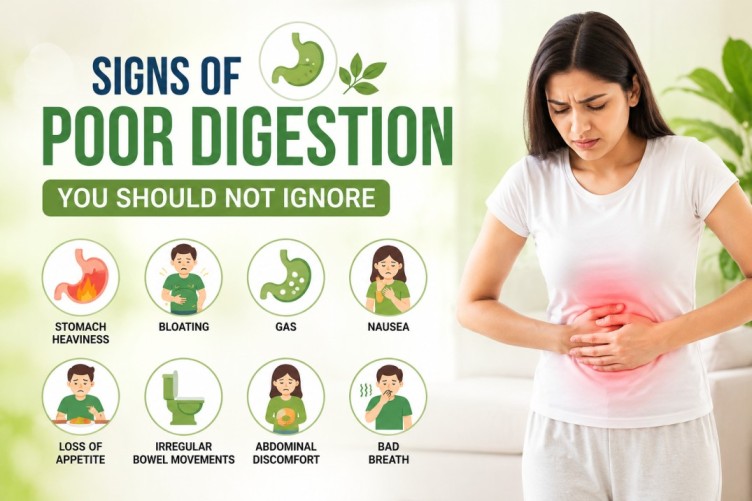
Many people experience digestive discomfort every day without realizing that it may be connected to unhealthy eating habits, stress, or poor lifestyle routines. Frequent bloating after eating, gas, stomach heaviness, or unusual stomach discomfort after eating are often discussed as possible signs of poor digestion.
In some cases, poor digestion symptoms may affect energy levels, eating comfort, and overall gut health. Eating too quickly, processed foods, irregular meal timings, or overeating may sometimes contribute to digestive problems after meals and feelings of heaviness.
Understanding these early warning signs may help people pay closer attention to their digestion and daily habits. In this blog, you will learn about common signs of bad digestion, possible causes, and simple ways that may support healthy digestion naturally.
Affiliate Disclaimer: This article may contain affiliate links, which means we may earn a small commission at no additional cost to you if you purchase through these links. We only share products or services that may be relevant to the topic discussed and overall wellness goals.
Common Signs of Poor Digestion
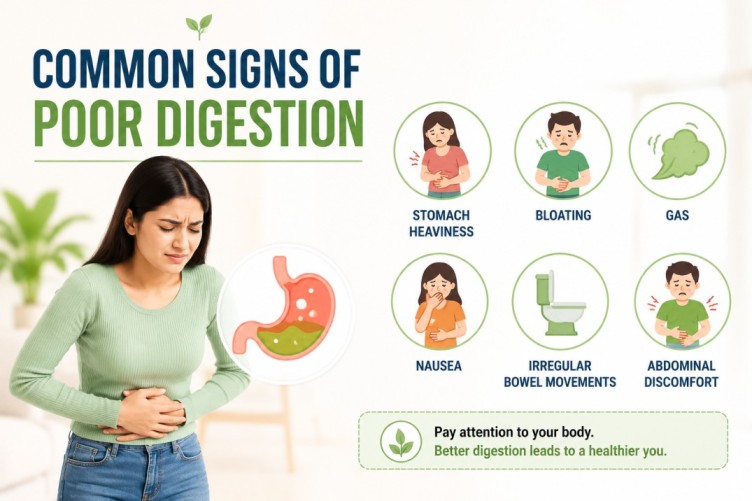
Digestive health may affect how the body feels after meals and throughout the day. In many cases, small stomach-related problems that happen regularly may be discussed as possible signs of poor digestion.
Frequent Bloating and Gas After Eating
Many people experience bloating and gas after eating from time to time, especially after heavy meals or unhealthy food choices. Feeling unusually full, tight, or uncomfortable in the stomach may sometimes be linked to deeper digestion issues.
Some individuals feel overly full even after eating moderate amounts of food. This sensation may sometimes affect appetite and is often discussed alongside other common signs of poor digestion.
Stomach Discomfort and Heaviness After Meals
Regular stomach discomfort after eating may affect daily comfort and eating habits in some individuals. Oily foods, overeating, or irregular meal timings are often the primary contributors to this ongoing issue.
A heavy or uneasy feeling in the stomach may sometimes happen because the digestive system is struggling to process food comfortably. Large portions and poor dietary choices are frequently linked to this specific type of post-meal heaviness.
Unexplained Changes in Bowel Habits
Irregular digestion patterns, constipation, or frequent loose motions may also be closely connected to underlying digestive issues. Your daily food choices and proper hydration levels can directly influence these sudden shifts.
Bloating after meals is often discussed alongside other digestion-related issues such as gas, stomach heaviness, and digestive discomfort. You can also read our detailed guide on 👉🏼 Why Am I Bloated After Eating? Common Causes and Natural Relief to better understand possible causes of bloating and simple habits that may support healthier digestion naturally.
Dealing with unexpected changes in bowel habits or constant stomach pressure can significantly affect daily comfort and overall gut health [Anatomy of User Summary]. Recognizing these persistent patterns is the first step toward finding a sustainable solution.
Feeling Sluggish or Tired After Eating
Some people notice low energy or unusual tiredness after large meals. Heavy eating patterns and slowed metabolic responses may sometimes affect overall daily comfort and productivity levels during the day.
Paying close attention to these common symptoms can help individuals better understand the hidden lifestyle factors that could be affecting their gut health naturally.
Many people notice certain stomach-related changes without paying much attention to them. In some cases, experiencing constant sluggishness after eating is a strong indicator of underlying digestive issues that require a careful look at your daily habits.
Reduced Comfort After Eating Specific Food Groups
Some people notice that oily foods, processed meals, or sugary snacks leave them feeling a noticeable reduced comfort after eating. Paying close attention to these specific food patterns may help individuals better understand what triggers their sudden digestive changes.
Understanding how your system reacts to different ingredients can support more mindful eating habits and help you build healthier daily routines naturally.
Better Gut Health Starts With Small Habits
Support Your Digestion Naturally with Simple Wellness Routines
Adopting mindful adjustments in your daily routine can significantly help reduce everyday stomach discomfort and support long-term digestive balance.
Daily Habits That May Secretly Affect Digestion
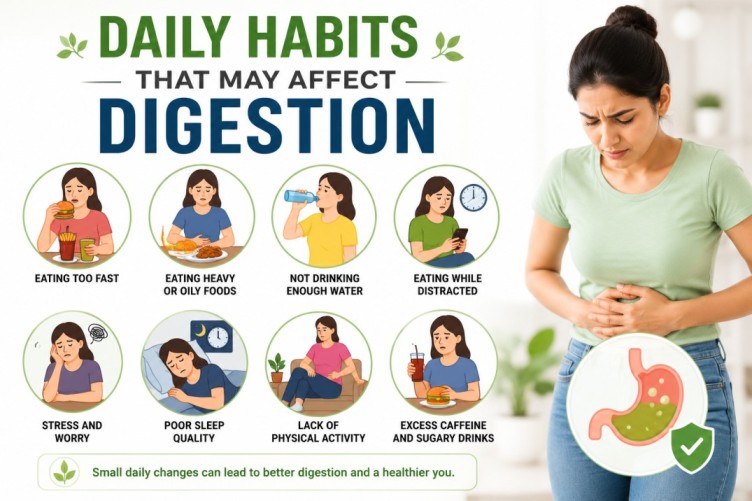
Your daily routines significantly influence how comfortable your stomach feels throughout the day. In many cases, seemingly minor lifestyle habits are closely connected to the earliest signs of poor digestion, shaping your overall gut well-being.
The Impact of Rushing Your Meals
Eating meals too quickly can make it much harder for the body to process food comfortably. People who constantly rush through their plates or do not chew food properly often trigger common signs of poor digestion like indigestion or stomach pressure after eating.
Skipping Meals and Overeating Later
Skipping meals for long hours and then overeating later in the day places an immense load on your gastrointestinal tract. Consuming very heavy meals can leave the stomach feeling highly uncomfortable, directly contributing to chronic post-meal stomach heaviness in some individuals.
Inadequate Hydration and Digestive Sluggishness
Low water intake can instantly put the breaks on your body’s natural elimination patterns. Maintaining proper hydration is globally recognized as a foundational step for promoting smoother bowel movements and keeping your metabolic track running efficiently all day.
Stress Levels and Poor Sleep Quality
High stress and poor sleep habits do not just drain your brain; they fundamentally alter your gut motility and eating patterns. Many individuals report noticing a sharp spike in painful gas and bloating during stressful periods or when balancing irregular daily routines.
Healthy digestion is closely connected to daily eating habits, hydration, sleep, and overall lifestyle balance. You can also explore our detailed guide on 👉🏼 Digestive Problems: How to Improve Digestion Naturally to learn simple ways that may help support better digestion and long-term gut health naturally.
Foods That Commonly Cause Digestive Discomfort
How Processed Foods Disrupt Stomach Comfort
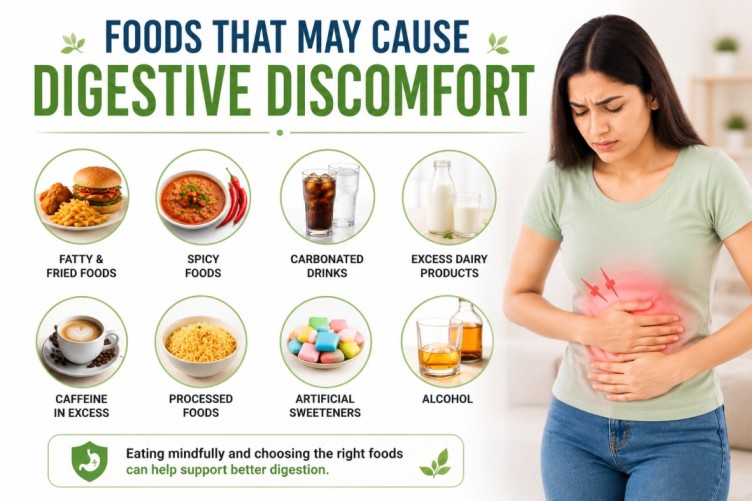
Your everyday food choices significantly affect how comfortable the stomach feels after meals. In many individuals, certain dietary items are commonly linked to sudden comfort changes, impacting overall eating routines throughout the day.
Highly processed foods and packaged snacks are often low in fiber and can feel incredibly heavy on your system. Frequent intake of these items is one of the main factors behind ongoing stomach discomfort and visible signs of poor digestion.
High-Fat and Deep-Fried Trigger Foods
Consuming high-fat dishes or deep-fried items can significantly delay stomach emptying. Because these foods take much longer to break down, they often cause noticeable gastrointestinal distress after eating and leave you feeling sluggish for hours.
Dairy Products and Lactose Intolerance
For many individuals, dairy products like milk, soft cheeses, and cream are primary common food triggers for bloating and stomach cramps. If your body lacks enough lactase enzymes, processing dairy can lead to sudden shifts in your bowel comfort.
Alongside making small adjustments to your daily meals, introducing specialized dietary support can sometimes provide extra assistance for your system. For a deeper look into one popular option, you can read our detailed GutOptim Review written from a professional pharmacist’s perspective to see how its ingredients target bloating and overall discomfort. [Anatomy of User Summary]
Artificial Sweeteners and Synthetic Sugars
Sugar alcohols and artificial sweeteners found in diet sodas, sugar-free gums, and processed snacks are notoriously difficult for the gut to absorb. These ingredients often ferment in the colon, creating excess gas and stomach tightness naturally.
If you are looking for simple food choices that may support better digestion and overall gut balance, you can also read our detailed guide on 👉🏼 Best Natural Foods for Digestion: 7 Ways to Fix Gut Health to learn how everyday eating habits and digestion-friendly foods may help support healthier digestion naturally.
Can Poor Digestion Affect Long-Term Gut Health?
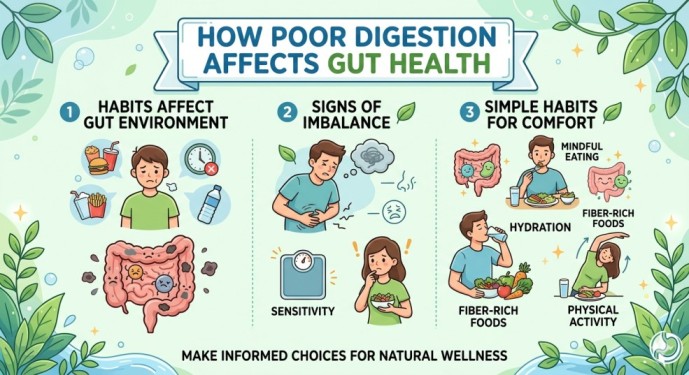
The Shift from Temporary Issues to Chronic Balance
The stomach and intestines work closely together to process food comfortably. When unhealthy eating habits, frequent fast food, and irregular meal schedules persist for long periods, they can alter the internal environment of your digestive system, leading to long-term disruptions in gut health.
Increased Sensitivity to Everyday Foods
When poor digestive patterns are left unaddressed over time, some individuals begin noticing an increased sensitivity to normal meals. This ongoing irritation is one reason many people experience frequent discomfort after eating, turning minor symptoms into chronic signs of poor digestion.
How to Improve Digestion Naturally for Lasting Wellness
People actively searching for how to improve digestion naturally often benefit from paying closer attention to fiber-rich foods, proper hydration, and portion control. Adopting these mindful eating patterns as part of your healthier daily routines is key to restoring your stomach’s natural rhythm over time.
Natural Ways to Support Healthy Digestion
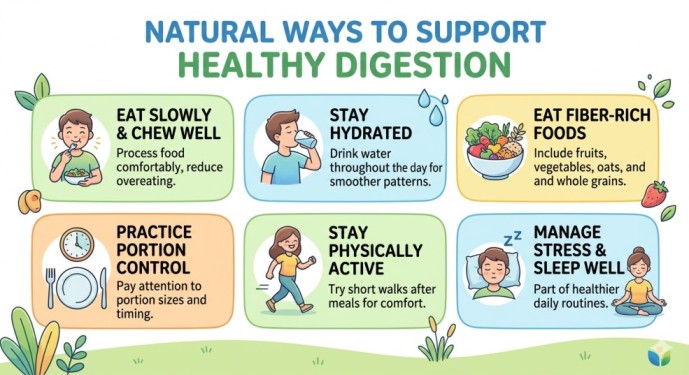
Healthy daily habits may play an important role in maintaining stomach comfort and supporting better digestion naturally. Many people experiencing signs of poor digestion after eating often focus on improving eating routines and lifestyle balance over time.
Eating meals slowly and chewing food properly may help the body process food more comfortably. Fast eating habits and overeating are commonly linked to stomach pressure and everyday digestive discomfort in some individuals.
Drinking enough water throughout the day may also support smoother digestion. Proper hydration is often discussed as an important part of maintaining overall stomach balance and regular digestion patterns.
Fiber-rich foods such as fruits, vegetables, oats, and whole grains are commonly included in routines that support healthy digestion naturally. Balanced meals may sometimes help reduce feelings of heaviness after eating.
Light physical activity, including short walks after meals, may also support digestion comfort for some people. Simple lifestyle habits combined with better sleep and stress management are often part of healthier digestion routines.
Final Thoughts
The body often gives small signals when digestion does not feel balanced. Paying attention to regular stomach discomfort, unhealthy eating patterns, or repeated digestive issues may help people better understand possible signs of poor digestion before they become more uncomfortable over time.
Simple lifestyle habits such as mindful eating, balanced meals, hydration, proper sleep, and better daily routines are commonly discussed as ways to support stomach comfort and overall digestive wellness naturally.Frequent stomach discomfort after meals may sometimes be linked to unhealthy eating habits and digestion imbalance.
Frequent acidity, burning sensations, or stomach discomfort after meals may sometimes be connected to digestion-related issues and unhealthy eating habits. You can also read our detailed guide on
👉🏼 Reduce Acidity and Heartburn Naturally: Common Causes and Relief to learn simple daily habits and natural ways that may help support better digestive comfort naturally.
Better Gut Health Starts With Small Habits
Support Healthy Digestion and Feel Lighter Every Day
Taking proactive steps toward your daily wellness can naturally restore balance, allowing your system to process everyday meals smoothly and comfortably.
Frequently Asked Questions (FAQs)
Medical Disclaimer
The information provided in this article is for general educational and informational purposes only and is not intended as medical advice, diagnosis, or treatment. Digestive symptoms such as acidity, bloating, stomach discomfort, or poor digestion may vary from person to person and can sometimes be linked to underlying health conditions.
Always consult a qualified healthcare professional before making major dietary or lifestyle changes, especially if symptoms are severe, persistent, or worsening over time. Never ignore professional medical advice because of information found online.
Image Disclaimer:
Images used in this article are for illustrative purposes only and may not represent actual products, ingredients, or results. Visuals are created or selected to enhance understanding and should not be interpreted as a guarantee of specific health outcomes. Always refer to official product information and consult a healthcare professional for personalized guidance.
Nice blog, very informative and helpful
Thanks a Lot ! Your appriciesence encourag me to write something more !