

TRUSTED SOURCE | HEALTH TIPS | PRODUCT REVIEWS | LATEST EDITION
Reduce Acidity and Heartburn Naturally: Common Causes and Relief

Acidity and heartburn are common digestive problems that many people experience after eating certain foods or following unhealthy daily habits. A burning feeling in the chest, stomach discomfort, or acid reflux after eating can sometimes affect sleep, eating patterns, and overall digestive comfort.
In many cases, eating too quickly, overeating, spicy foods, stress, or late-night meals may contribute to acidity after eating. Poor digestion and irregular food habits may also affect gut health and lead to digestive discomfort in some individuals.
Small lifestyle changes and mindful eating habits may help support better digestion naturally. In this blog, you will learn common causes of acidity and heartburn, foods and habits that may trigger symptoms, and simple ways to reduce acidity and heartburn naturally.
Affiliate Disclaimer: This article may contain affiliate links, which means we may earn a small commission at no additional cost to you if you purchase through these links. We only share products or services that may be relevant to the topic discussed and overall wellness goals.
Understanding Acidity and Heartburn: Root Causes & Dietary Triggers

Many people rush to pharmacies for temporary antacids, but learning how to reduce acidity and heartburn naturally is the only sustainable way to protect your long-term gastrointestinal health.
Overeating and Fast-Paced Eating Habits
Eating very large meals at once places intense physical pressure on the lower esophageal sphincter, forcing stomach acid upward. When you combine oversized portions with fast-paced eating habits, you inadvertently swallow excess air and prevent proper chewing, which slows down your entire digestive tract. This dangerous combination significantly increases uncomfortable post-meal fullness and serves as one of the most common causes of severe heartburn in many individuals.
The Impact of Late-Night Meals and Stress
Going to bed right after a heavy dinner is a direct trigger for nighttime discomfort. When you indulge in late-night meals, gravity can no longer help keep stomach acid down, allowing it to easily travel back up into the esophagus while you sleep. Furthermore, chronic mental stress alters gut motility and increases your body’s sensitivity to acid. This double impact of poor timing and high anxiety is one of the leading causes of chronic acid reflux that continuously disrupts stomach comfort after meals
Carbonated Drinks and Processed Packaged Foods
Regularly consuming soft drinks and packaged snacks introduces artificial additives and excess gas into your gastrointestinal tract. The correlation between carbonated drinks and bloating is direct, as the trapped carbon dioxide expands your stomach lining and triggers acute irritation. Furthermore, the modern processed foods effects on gut health are deeply damaging; these items lack natural fiber and contain preservatives that disrupt your beneficial bacteria, causing long-term digestive sluggishness and constant acidity over time.
If you often experience bloating along with acidity or heartburn after meals, understanding the possible digestive causes may help you better manage stomach discomfort naturally. You can also read our detailed guide on👉🏼 Why Am I Bloated After Eating? Common Causes and Natural Relief to learn how food choices, eating habits, and digestion may affect bloating and gut health.
NATURAL SUPPORT FOR EVERYDAY DIGESTIVE BALANCE
DISCOVER THE PHARMACIST-APPROVED WAY TO RECLAIM GUT COMFORT
BETTER DIGESTION BEGINS WITH SMARTER CHOICES
Adopting mindful lifestyle modifications and choosing clean dietary buffers is the ultimate remedy for long-term relief. Discover how incorporating specialized gut support alongside healthy habits allows you to actively reduce acidity and heartburn naturally while safely maintaining daily stomach comfort.
Effective Natural Remedies for Acid Reflux and Sudden Discomfort
Certain foods may increase stomach discomfort or a burning feeling after meals in some individuals. Food triggers can vary from person to person, but some eating habits are more commonly linked to acidity and heartburn after meals.
Foods That Help Neutralize Stomach Acid Naturally
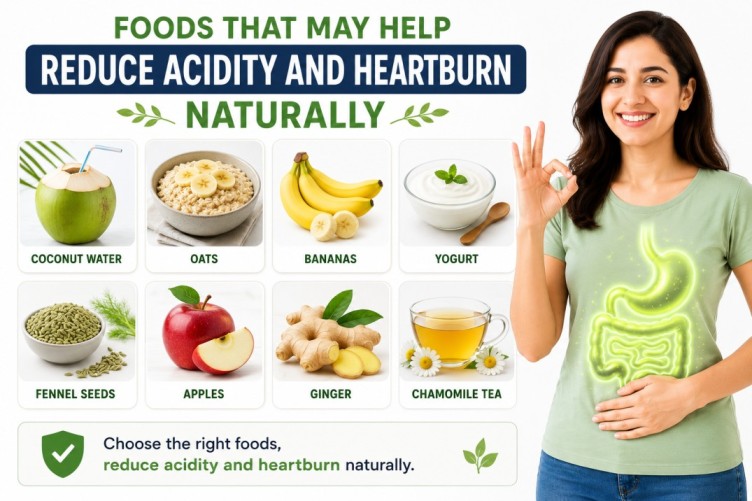
Ready to transform your gut routine and build a stronger digestive system? Read our practical strategies on the 👉🏼 best natural foods for digestion: 7 ways to fix gut health.
When your stomach produces excess hydrochloric acid, choosing the right meals can act as an immediate biological buffer. Incorporating specific alkaline foods for acid reflux—such as ripe bananas, melons, and green leafy vegetables—helps raise the pH level inside your digestive tract. Strategically adding these clean ingredients to your daily plate is the safest, most effective way to reduce acidity and heartburn naturally without developing a dependency on over-the-counter antacids.
Additionally, introducing high-fiber options like oatmeal or non-fat yogurt provides an organic coating that protects your esophageal lining from sudden backups. These items stand out as some of the best soothing foods for stomach acid because they absorb excess fluid and speed up gastric emptying. For individuals constantly searching for reliable natural remedies for chest burning, balancing your breakfast with these low-acid options offers lasting comfort and prevents that painful post-meal irritation.
By choosing these fiber-rich adjustments, you don’t just mask the irritation; you actively support your body’s ability to reduce acidity and heartburn naturally without suffering from painful throat burns after every heavy dinner.
Calming Fluids: Herbal Options for Quick Relief
Sipping the right beverage can instantly tone down the fire in your chest and provide rapid relief after a heavy meal. Herbal infusions like warm chamomile or marshmallow root tea work efficiently by creating a temporary, protective barrier over your sensitive throat and stomach lining. Integrating these targeted, plant-based drinks into your evening routine is an excellent lifestyle choice to reduce acidity and heartburn naturally while keeping your overall digestive comfort steady.
Furthermore, leveraging specific herbal teas for acid reflux allows you to actively soothe painful spasms without relying on harsh chemical alternatives. Cold-pressed aloe vera juice (the dietary variety) and lukewarm fennel water also stand out as exceptional natural remedies for stomach burning because they possess potent cooling properties. Replacing your usual post-dinner coffee with these gut-friendly liquids is a proven clinical approach to reduce acidity and heartburn naturally before you head to bed.
Essential Lifestyle Changes for Digestive Wellness
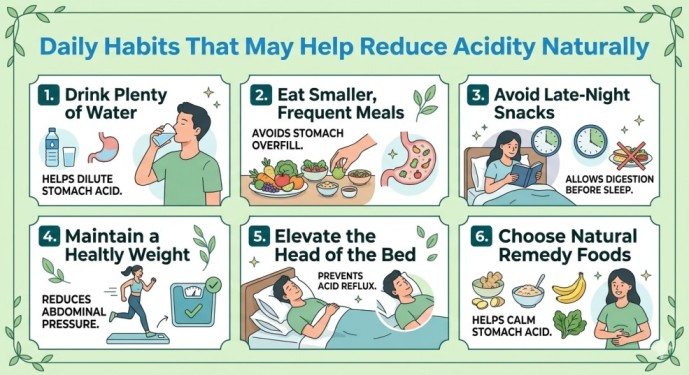
Making strategic modifications to your daily schedule is crucial because adjustments in your posture and meal windows work wonders to reduce acidity and heartburn naturally over time.
Daily Routines to Prevent Evening Heartburn
Managing your lifestyle and body posture before bed is just as important as changing what you eat. Simple structural adjustments, such as elevating the head of your bed by six inches or sleeping strictly on your left side, prevent gravity from pushing stomach contents upward. Practicing these foundational daily routines to prevent evening heartburn ensures that your digestive system remains at ease during its nightly recovery phase. Making these small, consistent behavioral tweaks after your final meal is the most effective approach to reduce acidity and heartburn naturally for uninterrupted sleep [Anatomy of User Summary].
In addition to physical positioning, refining your post-dinner timeline creates a powerful defense against nighttime flare-ups. Implementing specific habits to avoid acid reflux at night—like staying upright for at least three hours after eating and taking a gentle fifteen-minute walk—helps accelerate gastric emptying. For individuals seeking long-term relief, adopting these structured routines provides exceptional lifestyle changes for nighttime stomach comfort, ensuring you wake up feeling refreshed and completely free from painful chest irritation [Anatomy of User Summary].
How Quality Sleep and Stress Management Protect Your Gut
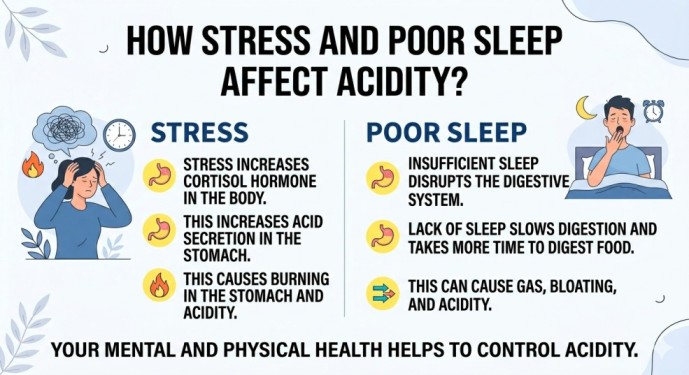
Your nervous system and gastrointestinal tract are constantly communicating through a complex network known as the gut-brain axis. Chronic mental anxiety signals your body to increase gastric secretions while simultaneously weakening the barrier that prevents fluids from escaping upward. Prioritizing targeted stress relief practices, such as deep breathing exercises or daily meditation, helps lower cortisol levels and calms hyperactive digestion. Incorporating these mental wellness habits into your daily routine is a highly effective, science-backed strategy to reduce acidity and heartburn naturally from the inside out.
In addition to anxiety reduction, securing restorative rest plays a vital role in preventing physical irritation along your digestive lining. Sleep deprivation disrupts your body’s natural circadian rhythms, which can directly alter intestinal motility and aggravate existing discomfort. Cultivating positive sleep habits for acid reflux prevention—such as keeping a consistent bedtime and avoiding screen time before rest—allows your esophageal tissues to heal efficiently overnight. For individuals seeking long-term relief, balancing proper rest with mental relaxation provides exceptional lifestyle changes for holistic gut health, keeping your entire system protected and completely symptom-free.
Good digestion plays an important role in overall stomach comfort and daily wellness. If you want to learn more about healthy eating habits, gut health, and simple lifestyle changes that may support better digestion naturally, read our detailed guide on
👉🏼 Digestive Problems: How to Improve Digestion Naturally.
Final Thoughts
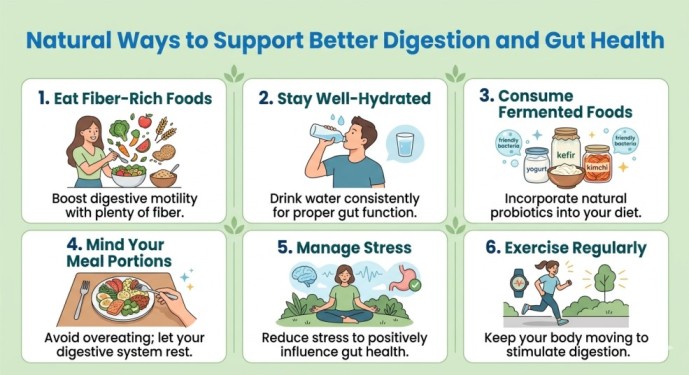
Acidity and heartburn are deeply disruptive digestive concerns that stem from a complex combination of poor food choices, chronic stress, disrupted sleep patterns, and fast-paced eating habits. Throughout my years of professional pharmacy experience helping individuals manage gastrointestinal issues, I have consistently observed that long-term stomach comfort is rarely achieved through over-the-counter quick fixes alone. Real, lasting relief requires addressing the actual structural and dietary root causes that trigger daily irritation in your digestive system.
If you are genuinely committed to reduce acidity and heartburn naturally, your primary focus must shift toward small but consistent lifestyle modifications. Prioritizing alkaline dietary choices, maintaining structural daily habits like elevating your head during sleep, and using calming herbal infusions provide the perfect baseline for digestive wellness. By actively understanding your personal food triggers and respecting your body’s natural digestive rhythm, you can successfully reclaim lasting stomach comfort and protect your long-term gut health from the inside out.
Digestive discomfort after meals may sometimes be linked to unhealthy eating habits, stress, or poor gut balance. You can also read our detailed guide on 👉🏼 Signs of Poor Digestion You Should Not Ignore to learn about common digestion-related symptoms and simple ways to support digestive health naturally.
SUPPORT YOUR DIGESTIVE WELLNESS NATURALLY
Combining specific dietary adjustments with professional lifestyle changes is the safest way to restore long-term balance. Explore how implementing targeted gut health routines allows you to efficiently reduce acidity and heartburn naturally while supporting your complete daily stomach comfort.
Frequently Asked Questions (FAQs)
Medical Disclaimer
The information provided in this article is for general educational and informational purposes only and should not be considered medical advice, diagnosis, or treatment. Digestive symptoms and health conditions can vary from person to person. Always consult a qualified healthcare professional for personalized medical guidance regarding any health concerns or ongoing symptoms.
Image Disclaimer:
Images used in this article are for illustrative purposes only and may not represent actual products, ingredients, or results. Visuals are created or selected to enhance understanding and should not be interpreted as a guarantee of specific health outcomes. Always refer to official product information and consult a healthcare professional for personalized guidance.
Great article! The information is easy to understand and the practical tips are really helpful. Thanks for sharing such valuable insights.
Great article! The information is easy to understand and the practical tips are really helpful. Thanks for sharing such valuable insights..