

TRUSTED SOURCE | HEALTH TIPS | PRODUCT REVIEWS | LATEST EDITION
How Age Affects Lung Function: What Changes as You Get Older
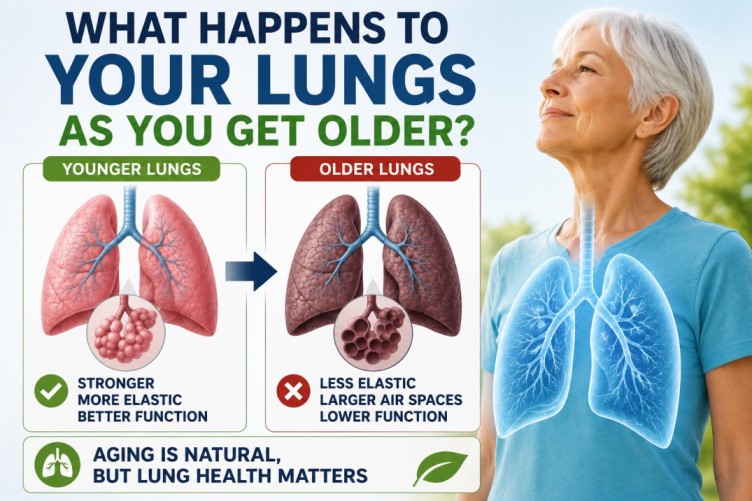
Have you noticed that breathing can feel different as you get older, even if you have never smoked? Age-related changes in the lungs are a normal part of getting older, but they do not necessarily mean that significant breathing problems are unavoidable. Understanding how age affects lung function can help you recognize normal changes, protect respiratory health, and know when a symptom deserves medical attention.
The lungs and the muscles involved in breathing gradually change throughout adulthood. Lung tissue can become less elastic, the chest wall may become less flexible, and respiratory muscles can lose some strength over time. These changes can affect how efficiently air moves in and out of the lungs.
However, aging is only one factor that influences respiratory health. Physical activity, smoking history, air quality, occupational exposures, infections, and existing medical conditions can also affect how well the lungs function.
In this guide, we’ll explore the normal effects of aging on the respiratory system, how lung capacity changes over time, factors that can accelerate lung-function decline, and practical ways to support healthy breathing as you get older.
What Happens to Your Lungs as You Get Older?
The respiratory system undergoes several gradual changes with age. These changes do not happen at exactly the same rate in everyone, but they can influence breathing efficiency and overall lung function.
One important change is a gradual reduction in the elasticity of lung tissue. Healthy lungs need to expand when you inhale and recoil when you exhale. With aging, some of that elasticity can decrease, which may make the process of moving air less efficient.
The chest wall can also become stiffer over time. Changes in the ribs, joints, and surrounding muscles may reduce how easily the chest expands during breathing.
At the same time, the diaphragm and other respiratory muscles may become less powerful. Because breathing depends on coordinated movement between the lungs, chest wall, and respiratory muscles, changes in any of these components can influence respiratory performance.
These are normal aspects of aging, but they can become more noticeable when combined with other factors such as inactivity, smoking, or chronic respiratory disease.
A systematic review found that key measures of lung function, including FEV₁, FVC, and peak expiratory flow, generally decline with age. Rate of normal lung function decline in ageing adults — Systematic Review.
How Does Age Affect Lung Function and Lung Capacity?
One of the clearest ways how age affects lung function can be understood is by looking at changes in lung volumes and airflow.
Lung function is not simply one measurement. Healthcare professionals can assess several aspects of respiratory performance, including how much air a person can move and how quickly they can exhale.
As adults age, some measures of lung function tend to gradually decline. Maximum breathing capacity may decrease, while the amount of air remaining in the lungs after exhalation can increase.
This does not mean that every older adult will experience noticeable breathing difficulty. A healthy, physically active older adult may maintain good functional capacity despite normal age-related changes.
The important distinction is between normal physiological aging and a decline caused or accelerated by disease.
For example, persistent shortness of breath, wheezing, chronic cough, or a noticeable reduction in exercise tolerance should not automatically be dismissed as “just getting older.”
Age-related changes are only one part of long-term respiratory health. If you have a history of smoking, learning about lung recovery after quitting smoking can help you understand how the lungs may respond after tobacco exposure ends.
Why Does Breathing Become Less Efficient With Age?
Several parts of the respiratory system contribute to age-related changes in breathing.
Reduced Lung Elasticity
Lung tissue gradually loses some of its natural elasticity. This can make the lungs less efficient at recoiling during exhalation.
Changes in the Chest Wall
The bones, joints, and muscles surrounding the chest can become less flexible. This may limit how freely the chest expands during deeper breaths.
Weaker Respiratory Muscles
The diaphragm and other muscles involved in breathing can lose strength with age, particularly when physical activity levels decrease.
Changes in Airway Function
Small changes in the airways can affect airflow and how efficiently air reaches different areas of the lungs.
Reduced Respiratory Reserve
Older adults may have less physiological reserve during demanding activities. As a result, strenuous exercise or illness may place greater demands on the respiratory system than they did earlier in life.
These changes develop gradually, which is why many people do not notice them during normal daily activities.
Nutrition is another important part of maintaining overall respiratory wellness as you age. Including foods that support healthy lungs can complement an active lifestyle and other healthy habits that promote better long-term health.
Does Lung Function Decline With Age?
Yes, lung function generally declines gradually with age, but the amount of decline varies considerably between individuals.
Age alone does not determine how well someone’s lungs function. A person’s lifelong exposure to cigarette smoke, air pollution, occupational dust, physical activity, infections, and other health conditions can influence respiratory function.
This is why two people of the same age can have very different levels of breathing capacity and exercise tolerance.
Genetics and overall health also play a role. Maintaining physical fitness and avoiding harmful exposures cannot stop normal aging, but these habits can help support better respiratory function over the long term.
It is also important to avoid assuming that every decline in breathing ability is inevitable. Some respiratory symptoms may indicate an underlying condition that can be evaluated and treated.
What Factors Can Accelerate Age-Related Lung Function Decline?
Aging is only one piece of the picture. Several other factors can place additional stress on the respiratory system.
Smoking
Cigarette smoking is one of the most important preventable factors affecting lung health. Long-term exposure can damage airway structures and lung tissue and is associated with several serious respiratory diseases.
If you currently smoke, quitting remains an important step toward protecting your future respiratory health, regardless of age.
Air Pollution
Long-term exposure to pollutants such as fine particulate matter can irritate the respiratory system and contribute to respiratory problems.
This can include outdoor pollution as well as certain indoor exposures.
Occupational Exposures
Repeated exposure to dust, fumes, chemicals, or other workplace hazards can affect respiratory health. Appropriate workplace controls and protective measures are particularly important for people with prolonged occupational exposure.
Physical Inactivity
Regular movement supports cardiovascular and muscular fitness, both of which contribute to the body’s ability to handle physical activity efficiently.
A sedentary lifestyle does not necessarily damage lung tissue directly, but reduced fitness can make normal physical activities feel more difficult.
Chronic Respiratory Conditions
Conditions such as asthma, COPD, pulmonary fibrosis, and other lung diseases can affect respiratory function beyond normal age-related changes.
This is why persistent or worsening symptoms deserve proper evaluation rather than being automatically attributed to aging.
Maintaining physical activity and practicing appropriate breathing techniques may also support respiratory fitness. Explore these breathing exercises for lung health for simple techniques that can be incorporated into a daily wellness routine.
Can You Maintain Healthy Lung Function as You Age?
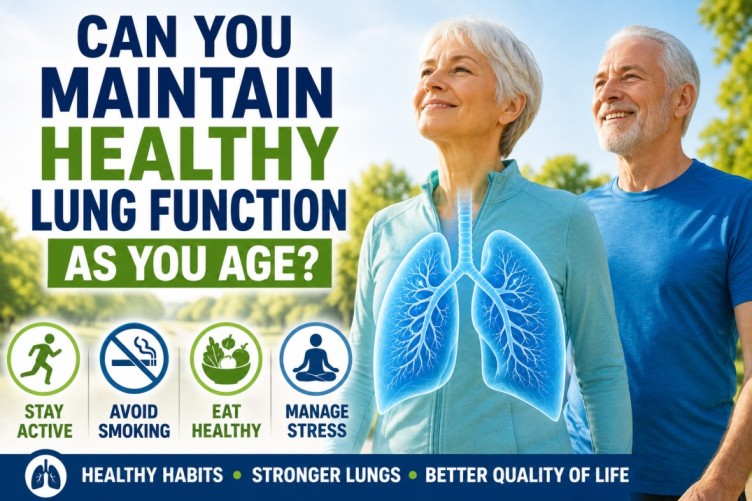
You cannot completely prevent normal biological aging, but you can take steps to support respiratory health throughout adulthood.
Stay Physically Active
Regular physical activity helps maintain cardiovascular fitness and the strength of the muscles involved in movement and breathing.
Walking, cycling, swimming, and other appropriate aerobic activities can help maintain overall fitness when performed safely.
If you have a chronic medical condition or significant breathing limitations, discuss an appropriate exercise plan with a healthcare professional.
Avoid Smoking and Secondhand Smoke
Avoiding tobacco smoke is one of the most important ways to protect long-term lung health.
For people who smoke, quitting can provide health benefits at any age.
Reduce Exposure to Airborne Irritants
Pay attention to air-quality conditions and reduce exposure to smoke, heavy pollution, dust, and chemical fumes when practical.
Good ventilation can also be helpful when dealing with indoor pollutants.
Maintain Good Overall Health
Adequate nutrition, regular physical activity, appropriate sleep, and management of existing health conditions all contribute to overall respiratory wellness.
Rather than focusing on a single “lung-cleansing” method, a broader healthy lifestyle provides a more evidence-based approach to long-term lung health.
When Is Shortness of Breath Not Just a Normal Part of Aging?
This is an important distinction.
Some gradual changes in respiratory capacity are expected with aging, but persistent or unexplained breathing symptoms should not automatically be considered normal.
Speak with a healthcare professional if you experience:
- Shortness of breath that is new or worsening
- Persistent wheezing
- A chronic or worsening cough
- Chest pain or pressure
- Coughing up blood
- A significant decline in exercise tolerance
- Repeated respiratory infections
- Breathlessness that interferes with normal daily activities
The appropriate evaluation depends on the person’s symptoms, medical history, age, smoking history, and other risk factors.
In some situations, a healthcare professional may recommend lung function testing or other investigations to determine whether an underlying respiratory condition is present.
How Is Lung Function Tested?
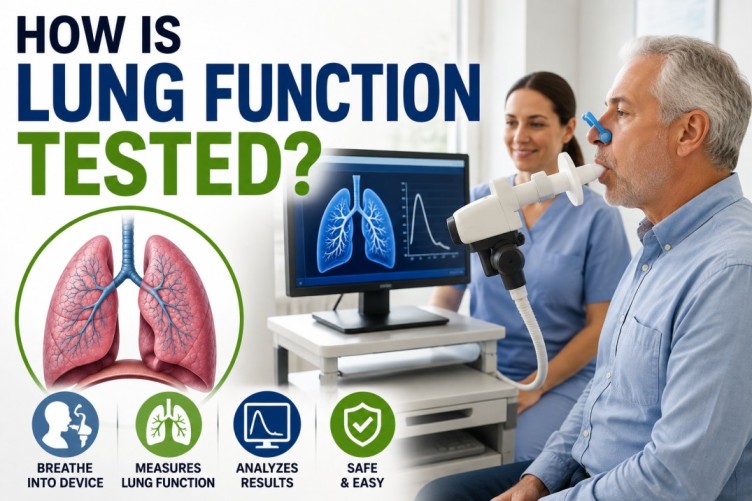
Lung function can be assessed using several different tests. One of the most common is spirometry.
During spirometry, a person breathes into a device called a spirometer. The test measures how much air can be exhaled and how quickly it can be expelled.
Healthcare professionals may use these measurements to help evaluate conditions such as asthma or COPD and to investigate unexplained breathing symptoms.
Other assessments may be used depending on the person’s situation. These can include measurements of oxygen levels, imaging studies, or additional pulmonary function tests.
Importantly, lung-function testing should be interpreted by a qualified healthcare professional rather than by comparing an individual result with a general online chart.
The Bottom Line on Age-Related Lung Changes
Understanding how age affects lung function helps put normal respiratory changes into perspective.
Lung elasticity, chest-wall flexibility, respiratory muscle strength, and certain measures of airflow can gradually change as people get older. However, aging is only one factor affecting respiratory health.
Smoking, air pollution, occupational exposures, physical inactivity, and chronic respiratory conditions can have additional effects.
The good news is that many important aspects of lung health are influenced by everyday choices. Avoiding tobacco smoke, staying physically active, limiting harmful exposures, and addressing persistent respiratory symptoms can all support healthier aging.
Most importantly, don’t assume that significant breathing difficulties are simply a normal consequence of getting older. New, persistent, or worsening symptoms deserve appropriate medical evaluation.
Frequently Asked Questions
Conclusion
Getting older naturally changes the respiratory system, but how age affects lung function is only part of the story. Lifestyle, environmental exposures, smoking history, physical fitness, and underlying health conditions can all influence respiratory health.
Rather than trying to “reverse” normal aging, the more practical goal is to protect lung function, maintain physical fitness, avoid harmful exposures, and recognize symptoms that require professional attention.
Healthy aging is not about keeping the lungs exactly the way they were at 25. It is about giving your respiratory system the best possible conditions to function well throughout the years.
Scientific References
- Thomas ET, et al. Rate of normal lung function decline in ageing adults: A systematic review of prospective cohort studies. BMJ Open. 2019. PubMed
- The Effects of Aging on Lung Structure and Function. PubMed. PubMed
- Aging of the respiratory system: impact on pulmonary function tests and adaptation to exertion. PubMed. PubMed
- Respiratory Impairment and the Aging Lung. PubMed. PubMed
- Sharma G, Goodwin J. Effect of aging on respiratory system physiology and immunology. PubMed. PubMed