

TRUSTED SOURCE | HEALTH TIPS | PRODUCT REVIEWS | LATEST EDITION
How to Reduce Stress Naturally and Improve Your Mental Health Fast
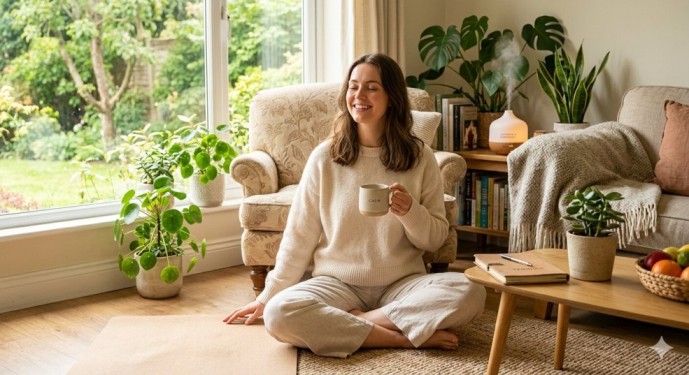
In today’s always-connected world, stress has become more than an occasional feeling—it is now part of everyday life for millions of Americans. From waking up to endless notifications and juggling work deadlines to managing family responsibilities and spending hours on social media, our minds rarely get the opportunity to truly slow down and recharge.
You might not even realize it, but stress can show up in subtle ways—like feeling tired even after a full night’s sleep, losing focus during important tasks, getting irritated over small things, or constantly overthinking situations that haven’t even happened yet. Over time, these small signs can build up and start affecting not just your mood, but your overall mental and physical health.
You may not even recognize the early signs of stress. Feeling exhausted despite getting enough sleep, struggling to concentrate, becoming easily irritated, experiencing frequent headaches, or constantly worrying about future situations can all be subtle indicators that your body and mind are under pressure. When left unmanaged, ongoing stress may affect your emotional well-being, sleep quality, productivity, and even your overall physical health.
Many people search for quick solutions to feel better, hoping for immediate relief. While some treatments may help in certain situations, lasting improvement often comes from developing healthy daily habits and learning how to reduce stress naturally in ways that fit your lifestyle. Small, consistent changes can make a meaningful difference over time and help you build greater emotional resilience.
The encouraging news is that effective stress management doesn’t always require expensive programs or complicated routines. Everyday practices such as regular physical activity, quality sleep, mindfulness, balanced nutrition, spending time outdoors, and maintaining supportive relationships can all contribute to better mental well-being. Finding the combination of healthy habits that works best for you is often the key to managing everyday stress more effectively.
In this guide, you’ll discover practical strategies to reduce stress naturally at home, improve your emotional well-being, and develop healthier coping habits. Whether you’re dealing with workplace pressure, emotional exhaustion, or simply looking for natural ways to feel calmer and more focused, these tips can help you create a healthier, more balanced lifestyle.
Learning how to reduce stress naturally isn’t about eliminating every source of stress—it’s about building the skills and daily routines that help you respond more effectively, support your mental health, and improve your overall quality of life.
What Is Stress and How to Reduce Stress Naturally
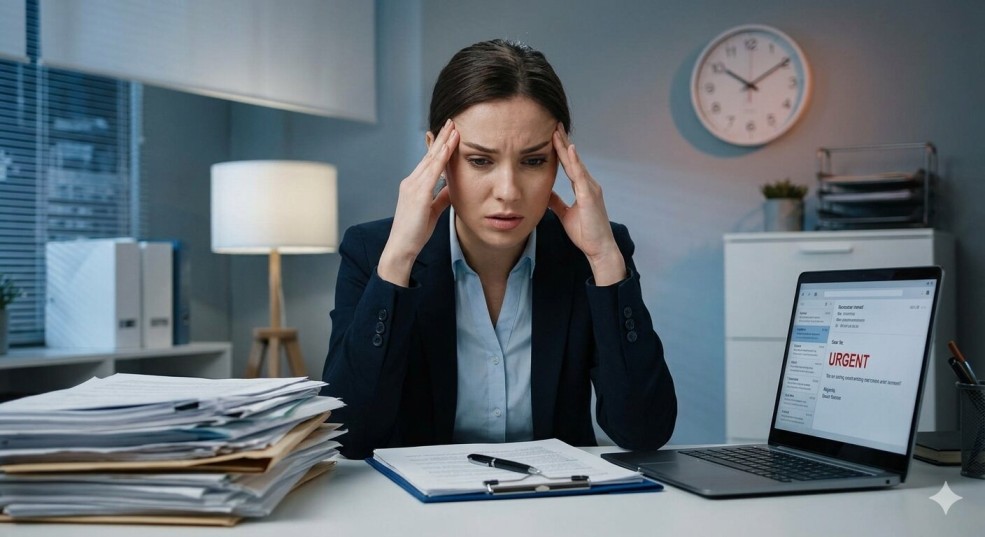
Stress is your body’s natural response to challenges, pressure, or unexpected situations. In simple terms, it’s how your mind and body react when you feel overwhelmed or believe you don’t have enough resources to handle a situation.
Whether you’re facing a demanding work deadline, financial concerns, family responsibilities, or a major life change, your brain activates its built-in “fight-or-flight” response. During this process, your body releases hormones such as cortisol and adrenaline, preparing you to respond quickly to potential threats or stressful situations.
Not all stress is harmful. Short-term stress can help you stay alert, focused, and motivated when facing important tasks or challenges. In many cases, this temporary response is a normal and healthy part of life.
However, when stress becomes frequent or lasts for weeks or months, it can develop into chronic stress. Unlike temporary stress, chronic stress keeps your body in a prolonged state of alertness, which may gradually affect your emotional well-being, sleep quality, energy levels, concentration, and overall physical health.
Everyone experiences stress differently. Some people notice emotional changes, while others experience physical discomfort, difficulty thinking clearly, or changes in their daily habits. Recognizing these early warning signs is an important step toward protecting your mental health and overall well-being.
If you’re wondering how to reduce stress naturally, the first step is understanding what causes your stress and how your body responds to it. Once you identify your personal stress triggers, you can begin building healthier daily habits that support long-term stress management without relying solely on temporary solutions.
In the next section, we’ll explore the most common signs and symptoms of stress, helping you recognize when everyday stress may be starting to affect your mental and physical health.
Signs and Symptoms of Stress
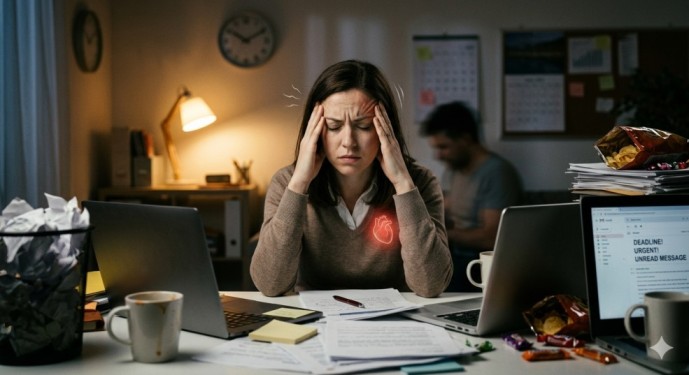
Stress doesn’t always appear suddenly. In many cases, it develops gradually, making it easy to overlook the early warning signs. You may think you’re simply tired or having a busy week, but ongoing stress can quietly begin affecting your thoughts, emotions, physical health, and daily habits.
Recognizing these symptoms early allows you to take positive steps before stress begins interfering with your work, relationships, sleep, or overall well-being. Learning to identify the signs is an important part of understanding how to reduce stress naturally and maintain better mental health.
Emotional Signs of Stress
Emotional symptoms are often among the first signs that your stress levels are increasing. They can affect how you think, feel, and respond to everyday situations.
Common emotional symptoms include:
- Constant worrying or overthinking
- Feeling overwhelmed by everyday responsibilities
- Irritability or frequent mood swings
- Anxiety or restlessness
- Lack of motivation or interest in activities you normally enjoy
- Feeling emotionally drained or mentally exhausted
Physical Symptoms of Stress
Stress affects more than your emotions—it can also have noticeable effects on your body. When stress continues for long periods, physical symptoms often become more frequent.
Common physical symptoms include:
- Frequent headaches
- Muscle tension, especially in the neck, shoulders, or back
- Feeling tired even after getting enough sleep
- Rapid heartbeat or faster breathing during stressful situations
- Digestive discomfort, such as bloating or an upset stomach
Sleep Problems Related to Stress
Stress and sleep have a close relationship. A busy or anxious mind can make it difficult to relax at bedtime, while poor sleep may increase stress levels the following day.
Common sleep-related symptoms include:
- Difficulty falling asleep
- Waking up several times during the night
- Restless or poor-quality sleep
- Feeling unrefreshed after a full night’s sleep
Behavioral Signs of Stress
Ongoing stress can gradually influence your daily habits and behaviors, sometimes without you realizing it.
Behavioral changes may include:
- Overeating or losing your appetite
- Spending excessive time on your phone or social media
- Avoiding family, friends, or social activities
- Procrastinating or struggling to stay productive
- Increased use of caffeine, alcohol, or other unhealthy coping habits
When Stress Becomes Chronic
If stress continues for weeks or months without effective management, it may develop into chronic stress. Chronic stress can have a greater impact on both your physical and mental health, making it harder to cope with everyday challenges.
You may notice:
- Persistent anxiety or feelings of burnout
- Ongoing mental and physical fatigue
- Difficulty concentrating or making decisions
- Reduced productivity at work or home
- Feeling overwhelmed even by routine tasks
If these symptoms persist, become severe, or begin affecting your daily life, consider speaking with a qualified healthcare professional. They can help determine whether stress or another underlying condition may be contributing to your symptoms.
Why Recognizing Stress Early Matters
Identifying stress early gives you the opportunity to make healthy lifestyle changes before it becomes more difficult to manage. Simple habits such as improving your sleep routine, staying physically active, practicing mindfulness, eating a balanced diet, and maintaining supportive relationships can all contribute to better stress management.
What Science Says About How to Reduce Stress Naturally
Scientific research shows that stress is a normal part of life, but chronic stress can have a significant impact on both mental and physical health. When your brain perceives a threat or ongoing pressure, it activates the body’s stress response, releasing hormones such as cortisol and adrenaline. While this response is helpful in short-term situations, prolonged activation may contribute to fatigue, poor sleep, difficulty concentrating, and other health concerns.
According to the American Psychological Association (APA), ongoing stress can influence emotional well-being, relationships, productivity, and overall quality of life. Managing stress early can help reduce its long-term effects and support better mental health.
Research from the Mayo Clinic suggests that regular physical activity, quality sleep, mindfulness practices, and strong social connections are among the most effective lifestyle strategies for managing everyday stress. These habits may help regulate the body’s stress response and improve emotional resilience over time.
The National Institutes of Health (NIH) also highlights that relaxation techniques such as deep breathing, meditation, and mindfulness can help activate the body’s natural relaxation response. Practicing these techniques consistently may lower stress levels and promote a greater sense of calm.
Rather than relying on quick fixes, current evidence supports building sustainable daily habits that help your mind and body recover from ongoing pressure. Small, consistent changes—such as taking regular breaks, spending time outdoors, limiting excessive screen time, staying physically active, and practicing mindfulness—can contribute to healthier stress management over time.
The following sections explore practical, evidence-based strategies that can help you reduce stress naturally, improve emotional well-being, and build long-term resilience in everyday life.

10 Proven Ways to Reduce Stress Naturally
Reducing stress doesn’t require complicated routines or expensive programs. In many cases, small, consistent lifestyle changes can have a meaningful impact on your mental and physical well-being over time. The goal is to build healthy habits that help your body recover from everyday stress and improve your ability to cope with life’s challenges.
The following strategies are simple, practical, and easy to incorporate into your daily routine. While everyone responds differently, these habits are widely recommended as part of a healthy approach to stress management.
1. Practice Slow, Deep Breathing
One of the quickest ways to calm your body is through controlled breathing. During stressful situations, breathing often becomes fast and shallow, which may increase feelings of anxiety and tension.
Try this simple breathing exercise:
- Inhale slowly through your nose for about 4 seconds.
- Hold your breath for 2–3 seconds.
- Exhale gently through your mouth for about 6 seconds.
- Repeat for 3–5 minutes.
Practicing deep breathing regularly may help activate your body’s natural relaxation response and promote a greater sense of calm.
2. Stay Physically Active
Regular physical activity is one of the most effective natural ways to support stress management. Exercise encourages the release of endorphins—often called the body’s “feel-good” chemicals—which can help improve mood and reduce tension.
You don’t need an intense workout to experience benefits. Consider activities such as:
- Walking outdoors
- Gentle stretching
- Yoga or tai chi
- Cycling
- Dancing or other enjoyable movement
Aim for regular movement most days of the week to support both your physical and mental health.
3. Create a Calm Morning Routine
The way you begin your day can influence your stress levels for hours afterward. A calm, organized morning routine may help you feel more focused and better prepared for daily responsibilities.
Consider these simple habits:
- Wake up a little earlier to avoid rushing.
- Avoid checking emails or social media immediately after waking.
- Drink a glass of water and enjoy a balanced breakfast.
- Spend a few minutes stretching, journaling, or practicing mindfulness.
- Review your priorities before starting work.
Starting your day with intention can help reduce feelings of overwhelm and set a more positive tone for the rest of the day.
4. Write Down Your Thoughts Through Journaling
When stress builds up, keeping everything in your mind can make problems feel more overwhelming. Writing your thoughts down is a simple way to organize your feelings and better understand what may be causing stress.
Journaling can help you:
- Write down situations that are causing stress
- Identify thoughts or patterns that affect your mood
- Focus on things you can control
- Express emotions in a healthy way
- Reflect on positive experiences and daily achievements
This simple practice may help clear your mind and develop a better understanding of your emotions over time.
5. Get Natural Sunlight Every Day
Spending time outdoors and getting natural sunlight can be a helpful part of a healthy lifestyle. Exposure to natural light helps regulate your body’s internal clock, which plays an important role in sleep patterns, energy levels, and overall well-being.
Even a short amount of time outdoors may help you:
- Support a healthy sleep-wake cycle
- Feel more connected with your surroundings
- Improve your daily energy and routine
- Spend time away from screens and indoor environments
Try taking a short walk outside in the morning or spending a few minutes outdoors during the day as part of your stress management routine.
6. Listen to Calming Music or Relaxing Sounds
Sound can influence your emotions and create a more peaceful environment. Many people find that calming music or relaxing sounds help them unwind after a stressful day.
You can try:
- Soft instrumental music
- Nature sounds such as rainfall, ocean waves, or birds
- Guided relaxation or meditation audio
- Slow, calming playlists
Adding relaxing sounds to your routine may help create a calmer atmosphere and support relaxation when your mind feels busy.
7. Choose Beverages That Support Relaxation
Your daily beverage choices can influence your energy levels, sleep quality, and overall routine. While no single drink can eliminate stress, choosing healthier options may support better habits and help you create a more calming daily routine.
Instead of consuming excessive caffeine, consider options such as:
- Herbal teas like chamomile or peppermint tea
- Warm water or caffeine-free beverages
- Hydrating drinks that support your daily fluid intake
Reducing excessive caffeine, especially later in the day, may help support better sleep and a more balanced lifestyle.
8. Set Realistic Daily Goals
Trying to complete too many tasks at once can increase feelings of pressure and mental overload. Setting realistic goals helps you manage responsibilities more effectively and maintain a healthier routine.
Try these strategies:
- Break larger tasks into smaller, manageable steps
- Prioritize the most important tasks first
- Focus on one activity at a time
- Avoid putting unnecessary pressure on yourself to be perfect
A realistic approach to daily planning can help you feel more organized and in control.
9. Stay Connected With Supportive People
Strong social connections play an important role in emotional well-being. Spending time with supportive friends, family members, or trusted people can help you feel understood and less isolated during stressful periods.
You can strengthen connections by:
- Talking openly with someone you trust
- Sharing your thoughts and feelings
- Spending quality time together without distractions
- Offering and receiving emotional support
Having a reliable support system can be an important part of healthy stress management.
10. Create a Relaxing Night Routine
Managing stress is not only about how you handle your day—it is also about how you allow your mind and body to recover at night. A consistent bedtime routine can help signal that it is time to slow down and prepare for rest.
Before going to bed, consider:
- Limiting screen exposure before sleep
- Keeping your bedroom comfortable and relaxing
- Reading a book or practicing gentle breathing exercises
- Following a consistent sleep schedule
A calming nighttime routine can support better sleep habits and help you feel more refreshed the next day.
👉🏼 Developing healthy digital habits can also help reduce mental overload and improve your overall well-being.
Foods That Help Reduce Stress Naturally
Your diet plays an important role in supporting your overall health, including your mental well-being. While no single food can eliminate stress, eating a balanced diet with nutrient-rich foods can help support your body’s ability to handle everyday challenges.
When your body receives the right nutrients, it has the energy needed for normal brain function, stable energy levels, and healthy stress responses. Choosing wholesome foods regularly can be an important part of a healthy lifestyle and natural stress management approach.
1. Dark Chocolate (In Moderation)
Dark chocolate contains nutrients and plant compounds that have been studied for their potential role in supporting mood and relaxation. Choosing dark chocolate with a higher cocoa content and enjoying it in moderation can be part of a balanced diet.
2. Foods Rich in Omega-3 Fatty Acids
Omega-3 fatty acids are important nutrients that support brain health and overall wellness. Foods rich in omega-3s include:
- Salmon and other fatty fish
- Sardines
- Walnuts
- Chia seeds
- Flaxseeds
Including these foods regularly may support healthy brain function and emotional balance.
3. Leafy Green Vegetables
Vegetables such as spinach, kale, and other leafy greens provide important vitamins, minerals, and antioxidants that support overall health.
A diet rich in colorful vegetables helps provide nutrients that your body needs for normal energy production and healthy daily functioning.
4. Nuts and Seeds
Nuts and seeds are nutrient-dense foods that provide healthy fats, minerals, and other beneficial compounds.
Good options include:
- Almonds
- Walnuts
- Pumpkin seeds
- Sunflower seeds
Adding small portions of nuts or seeds to your meals or snacks can help create a more balanced eating pattern.
5. Foods With Complex Carbohydrates
Complex carbohydrates provide steady energy and can be part of a balanced approach to nutrition.
Examples include:
- Oats
- Brown rice
- Whole-grain bread
- Sweet potatoes
Choosing whole-food carbohydrate sources may help maintain more stable energy levels throughout the day.
6. Fermented Foods
Gut health and mental well-being are closely connected through the gut-brain relationship. Fermented foods contain beneficial bacteria that support digestive health.
Examples include:
- Yogurt with live cultures
- Kefir
- Kimchi
- Sauerkraut
Including fermented foods as part of a balanced diet may support overall wellness.
7. Herbal Teas and Hydrating Drinks
Staying hydrated is essential for normal body function. Some people also enjoy caffeine-free herbal teas as part of their relaxation routine.
Popular choices include:
- Chamomile tea
- Peppermint tea
- Ginger tea
These beverages can be a calming addition to a healthy daily routine.
Healthy Eating Habits Matter More Than Individual Foods
The goal is not to find one “stress-relieving food,” but to build a consistent eating pattern that supports your overall health. Combining nutritious foods with other healthy habits—such as regular movement, quality sleep, and relaxation techniques—creates a stronger foundation for managing everyday stress.
A balanced lifestyle is one of the most effective ways to support your mental well-being and learn how to reduce stress naturally over time.
👉🏼 Building healthy sleep habits is one of the most effective ways to support your body’s natural response to everyday stress.
Lifestyle Changes for Long-Term Stress Management
Managing stress naturally is not only about using quick relaxation techniques when you feel overwhelmed. Long-term improvement often comes from creating healthy daily habits that support your mental and physical well-being over time.
Small lifestyle changes may help your body handle daily challenges more effectively and build greater emotional resilience.
Maintain a Consistent Sleep Schedule
Sleep plays an important role in how your body responds to stress. Poor sleep can make it harder to manage emotions, stay focused, and handle everyday pressure.
Helpful sleep habits include:
- Going to bed and waking up at similar times each day
- Creating a relaxing bedtime routine
- Limiting stimulating activities before sleep
- Making your bedroom comfortable and quiet
Prioritizing quality sleep gives your mind and body the opportunity to recover and recharge.
Limit Excessive Screen Time
Technology is a useful part of modern life, but spending too much time on screens—especially before bedtime—may increase mental stimulation and reduce time spent on relaxing activities.
Consider:
- Taking regular breaks from digital devices
- Reducing unnecessary social media use
- Creating screen-free periods during the day
- Spending more time on offline activities
A healthy relationship with technology can support better focus and mental balance.
Practice Mindfulness and Self-Awareness
Mindfulness involves paying attention to the present moment without immediately judging your thoughts or feelings. This practice can help you become more aware of stress triggers and respond to challenges more calmly.
Simple ways to practice mindfulness include:
- Focusing on your breathing
- Taking short moments of quiet reflection
- Practicing gratitude
- Paying attention to daily activities
Regular mindfulness practice may support emotional balance and a calmer mindset.
Build Healthy Relationships
Supportive relationships are an important part of emotional well-being. Connecting with people you trust can provide encouragement, understanding, and a sense of belonging.
Make time to:
- Communicate openly with loved ones
- Spend quality time with supportive people
- Ask for help when you need it
- Offer support to others
Strong social connections can make stressful situations easier to manage.
Create Balance in Your Daily Routine
A balanced lifestyle helps prevent stress from becoming overwhelming. Instead of trying to change everything at once, focus on small improvements that you can maintain consistently.
A healthy routine may include:
- Regular physical activity
- Nutritious meals
- Time for relaxation and hobbies
- Breaks during busy periods
- Activities that bring enjoyment and purpose
Long-term stress management is about creating habits that support your overall well-being. By making gradual lifestyle changes, you can build a stronger foundation for managing everyday stress naturally.
Practicing daily habits for better brain health can improve focus, emotional resilience, and overall mental well-being.
When to Seek Professional Help for Stress
While everyday stress is a normal part of life, there are times when stress becomes difficult to manage on your own. If stress starts affecting your daily activities, relationships, work, sleep, or overall quality of life, seeking support from a qualified healthcare professional can be a helpful step.
Consider talking with a healthcare provider or mental health professional if you experience:
- Stress that feels overwhelming or difficult to control
- Persistent feelings of anxiety, sadness, or emotional exhaustion
- Ongoing sleep problems that affect your daily energy
- Difficulty concentrating or completing normal activities
- Loss of interest in activities you previously enjoyed
- Changes in eating habits or daily routines due to stress
- Feeling unable to cope with everyday responsibilities
Professional support does not mean you have failed to manage stress. A qualified professional can help you better understand your symptoms, identify possible triggers, and explore appropriate strategies based on your individual situation.
It is also important to seek immediate help if stress is connected with thoughts of harming yourself or feeling unsafe. In these situations, reaching out to emergency services or a crisis support resource is important.
Natural stress management techniques such as exercise, mindfulness, healthy nutrition, and relaxation practices can support overall well-being, but they may not replace professional care when stress becomes severe or persistent.
Recognizing when you need additional support is an important part of taking care of your mental health.
Frequently Asked Questions (FAQs)
Conclusion: How to Reduce Stress Naturally
Stress is a normal part of life, but learning how to manage it effectively can make a meaningful difference in your overall well-being. When stress becomes frequent or overwhelming, small daily changes can help you build healthier coping habits and improve your ability to handle everyday challenges.
Understanding your stress triggers, recognizing the warning signs, and adopting healthy lifestyle habits are important steps toward better mental and physical balance. Simple practices such as deep breathing, regular movement, quality sleep, mindfulness, nutritious eating, and maintaining supportive relationships can all play a role in a healthier stress management routine.
Learning how to reduce stress naturally is not about eliminating every stressful moment from your life. It is about developing consistent habits that help your mind and body respond to pressure in a healthier way.
Remember that progress comes from small, sustainable changes. By focusing on realistic improvements and taking care of your overall well-being, you can create a calmer, more balanced lifestyle and become better prepared to manage stress in the long term.
Medical Disclaimer
The information provided in this article is for general educational and informational purposes only. It is not intended to replace professional medical advice, diagnosis, or treatment from a qualified healthcare provider.
Stress affects everyone differently, and the strategies discussed in this article may not work the same way for every individual. If you have ongoing, severe, or worsening stress symptoms, or if stress is affecting your daily life, consult a licensed healthcare professional for personalized guidance.
Never delay seeking medical advice or ignore professional recommendations because of information found on this website.
Image Disclaimer
The images used in this article are for illustrative and educational purposes only. They are not intended to represent actual medical conditions, symptoms, treatments, or guaranteed outcomes.
Visuals are used to improve understanding and readability of the content and should not be considered a substitute for professional medical advice.