

TRUSTED SOURCE | HEALTH TIPS | PRODUCT REVIEWS | LATEST EDITION
Best Foods for Weight Loss: Healthy Choices for Sustainable Weight Management
Losing weight does not mean you have to survive on salads or give up satisfying meals. The foods you choose can make a meaningful difference in how full you feel, how well you meet your nutritional needs, and how easy it is to maintain healthy eating habits over time.
When you’re trying to lose weight, choosing foods that provide plenty of nutrients without leaving you hungry shortly afterward can make healthy eating easier to maintain. The goal is not to find a single “magic” food, but to build meals around nutritious choices that provide protein, fiber, healthy fats, vitamins, and minerals.
This guide explores the best foods to eat for weight loss and explains how different food groups can support fullness, balanced nutrition, and sustainable weight management. You’ll learn which protein-rich foods, high-fiber foods, fruits, vegetables, whole grains, and other nutrient-dense options can fit into a healthy eating pattern.
Rather than focusing only on calories, we’ll look at the overall nutritional quality of your food choices and how they can fit into a realistic, long-term approach to weight management.
Protein-Rich Foods: A Strong Foundation for Weight Management
Protein is an important part of a balanced eating pattern because it can help support fullness and preserve muscle mass when you are losing weight. Including a protein source in meals can also make meals more satisfying and easier to maintain consistently.
Good options include:
- Eggs
- Chicken or turkey
- Fish and seafood
- Greek yogurt or plain yogurt
- Cottage cheese
- Beans and lentils
- Tofu and tempeh
- Nuts and seeds
For people looking for high protein foods for weight loss, the best choices are not necessarily the foods with the highest protein content alone. Consider the overall nutritional profile, preparation method, portion size, and how well the food fits into your usual eating pattern.
For example, grilled fish with vegetables and whole grains provides protein along with other important nutrients, while beans and lentils can provide both protein and fiber. Choosing a variety of protein sources can help make meals more nutritious and enjoyable over time.
High-Fiber Choices
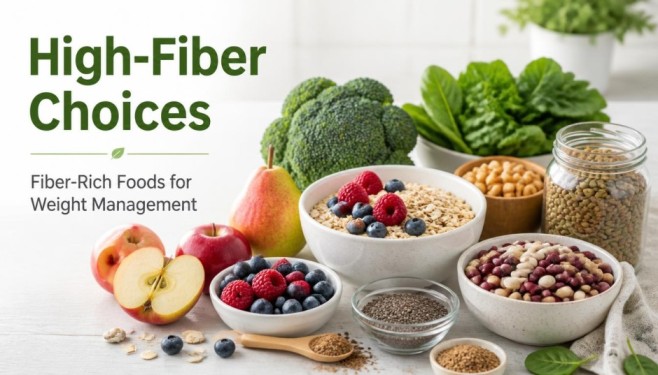
Fiber-rich foods can be especially useful when building meals for weight management because they add bulk and can help meals feel more filling. They also provide important nutrients and support a balanced eating pattern.
For people looking for high fiber foods for weight loss, practical choices include:
- Oatmeal and other whole grains
- Beans and lentils
- Broccoli, Brussels sprouts, and other vegetables
- Berries, apples, pears, and other whole fruits
- Chia seeds and flaxseeds
- Sweet potatoes with the skin
- Chickpeas
Whole fruits are generally a better choice than fruit juice when fullness is a priority because eating the whole fruit provides fiber along with its naturally occurring nutrients.
You do not need to dramatically increase fiber overnight. Adding fiber-rich foods gradually and drinking enough fluids can make the transition more comfortable.
Fruits and Vegetables
Fruits and vegetables are useful building blocks for a weight-conscious eating pattern because they provide vitamins, minerals, fiber, and water. Many also add volume and variety to meals, helping you create satisfying portions without relying heavily on highly processed foods.
For those choosing healthy foods for weight loss, practical options include:
- Leafy greens such as spinach and kale
- Broccoli, cauliflower, and Brussels sprouts
- Bell peppers, tomatoes, and cucumbers
- Berries, apples, oranges, and pears
- Carrots and other colorful vegetables
- Sweet potatoes and winter squash
Whole fruits are generally preferable to fruit juice when fullness is a priority because they retain their natural fiber. Vegetables can also be added to meals in simple ways, such as mixing them into eggs, grain bowls, soups, salads, or stir-fries.
Variety matters, too. Instead of relying on one “best” fruit or vegetable, rotating different colors and types throughout the week can help provide a broader range of nutrients.
Healthy Fats in the Right Portions
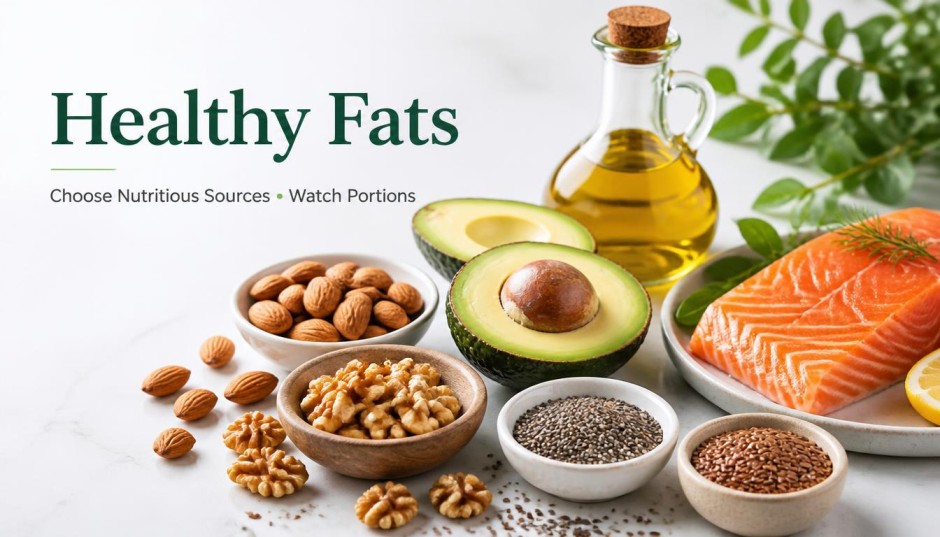
Healthy fats can be part of a balanced weight-management diet. Foods such as avocados, nuts, seeds, and olive oil provide unsaturated fats along with other nutrients, but they are also relatively energy-dense. That means portion size matters.
Useful options include:
- Avocados
- Almonds, walnuts, and pistachios
- Chia and flaxseeds
- Natural nut and seed butters
- Olive oil
- Fatty fish such as salmon and sardines
For people choosing healthy fats for weight loss, it can be more practical to focus on replacing less nutritious fat sources rather than trying to eliminate dietary fat altogether.
For example, a small serving of nuts can complement fruit or yogurt, while olive oil can be used to dress vegetables or a salad. The key is to include these foods in portions that fit comfortably within your overall eating pattern.
Low-Fat Dairy and Calcium-Rich Choices
Dairy foods can fit into a healthy weight-management eating pattern, particularly when you choose options that provide protein without adding large amounts of added sugar or excess saturated fat.
Useful choices include:
- Plain Greek yogurt
- Low-fat or fat-free milk
- Cottage cheese
- Plain low-fat yogurt
- Unsweetened fortified dairy alternatives, when appropriate
For low calorie foods for weight loss, plain yogurt and low-fat dairy can be practical choices for breakfast, snacks, or as ingredients in meals. Greek yogurt can also be paired with fruit and nuts to create a more balanced snack.
When choosing packaged dairy products, compare nutrition labels and look for options with little or no added sugar. Flavored yogurts and sweetened dairy drinks can contain substantially more added sugar than their plain counterparts.
The best choice ultimately depends on your dietary preferences, nutritional needs, and overall eating pattern rather than one specific type of dairy.
Legumes and Plant-Based Protein Sources
Beans, lentils, and other legumes can be valuable additions to a weight-management eating pattern. They offer a combination of plant-based protein and fiber, making them versatile ingredients for meals that are both nutritious and filling.
Good options include:
- Black beans
- Chickpeas
- Lentils
- Kidney beans
- Split peas
- Edamame
- Tofu and tempeh
For people looking for plant-based protein foods for weight loss, legumes can be used in soups, salads, grain bowls, wraps, and homemade meals. They can also replace some higher-fat meat choices in dishes such as chili or tacos.
When buying canned beans, choosing lower-sodium varieties or rinsing them before use can help reduce sodium intake. Pairing legumes with vegetables and whole grains can create a varied, balanced meal without relying on highly processed ingredients.
Choosing the right foods is only one part of healthy weight management. If you want a broader overview of sustainable strategies, read our guide to how to lose weight safely.
Healthy Snacks – Support Weight Management
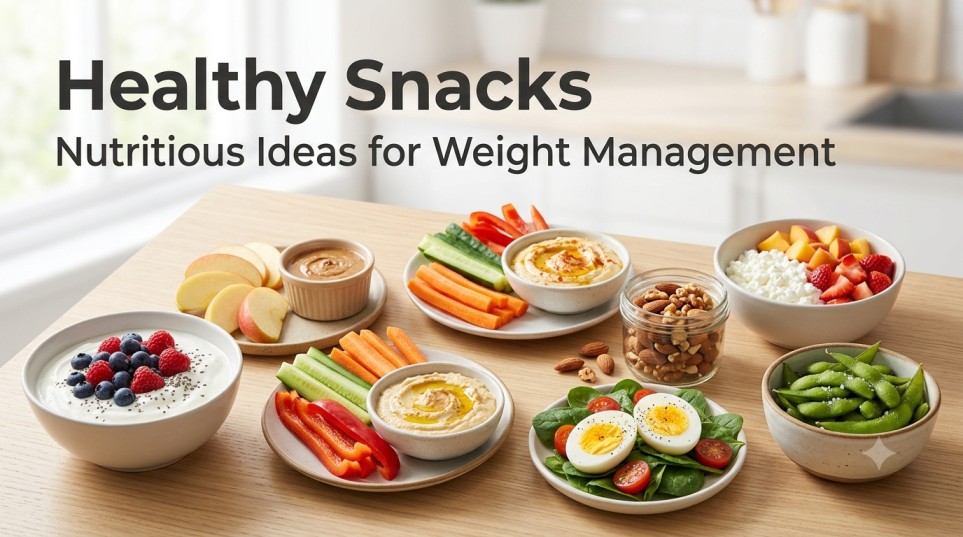
Snacks do not have to be eliminated when you’re trying to manage your weight. The more useful approach is to choose snacks that provide nutritional value and fit your hunger, schedule, and overall eating pattern.
Examples of healthy snacks for weight loss include:
- Plain Greek yogurt with berries
- An apple with a small serving of nut butter
- Carrots or bell peppers with hummus
- A small handful of unsalted nuts
- Hard-boiled eggs with vegetables
- Cottage cheese with fresh fruit
- Edamame
A good snack can combine two or more food groups rather than relying on highly processed snack foods. For example, pairing fruit with yogurt or vegetables with hummus provides more variety than eating a packaged snack by itself.
However, snacking is not essential for everyone. If you are not hungry between meals, there is no need to add snacks simply because they are considered “healthy.” Your overall eating pattern matters more than the number of times you eat during the day.
Foods to Limit When Trying to Lose Weight
No food needs to be completely forbidden for weight management. However, some choices can make it harder to maintain a balanced eating pattern when they are consumed frequently or in large portions.
Examples include:
- Sugar-sweetened beverages such as soda and sweetened iced tea
- Highly processed snack foods
- Candy and other foods high in added sugar
- Fried foods
- Refined baked goods such as pastries and donuts
- Large portions of calorie-dense foods
For people wondering what foods to avoid for weight loss, it is usually more helpful to think about frequency, portion size, and overall dietary pattern rather than creating a strict list of forbidden foods.
Sugary drinks can be particularly easy to overlook because they may provide substantial calories without being as filling as solid foods. Replacing them with water, sparkling water, or unsweetened beverages can be a simple change for some people.
The goal is not perfection. Occasional treats can fit into a healthy eating pattern when most meals are built around nutritious foods and portions that match your individual needs.
How to Choose the Best Foods for Weight Loss
There is no single food that guarantees better weight-loss results. A more useful approach is to look at how a food fits into your overall eating pattern, nutritional needs, preferences, and daily routine.
When choosing foods, consider these practical factors:
- Nutritional value: Choose foods that provide useful nutrients rather than mainly added sugar or refined ingredients.
- Fullness: Foods containing protein, fiber, or a combination of nutrients may help meals feel more satisfying.
- Personal preference: Healthy choices are easier to maintain when you actually enjoy eating them.
- Convenience: Simple foods that fit your schedule can be more practical than complicated meal plans.
- Variety: Eating different foods throughout the week can help provide a broader range of nutrients.
- Portion awareness: Even nutritious foods can contribute substantial energy when eaten in very large amounts.
For anyone searching for the best foods for weight loss, the most sustainable choice is usually not one specific “superfood.” Instead, focus on building an eating pattern that is nutritious, enjoyable, flexible, and realistic enough to maintain over time.
How Meal Timing Can Fit Into Weight Management
Meal timing can vary from person to person. Some people prefer three regular meals, while others may include a snack between meals. There is no single schedule that everyone needs to follow for healthy weight management.
Instead of focusing on a specific eating window or avoiding food at a particular time, pay attention to patterns that help you manage hunger and maintain consistent eating habits.
For example, planning meals around your daily routine may make it easier to avoid becoming excessively hungry and then making rushed food choices. If you tend to have long gaps between meals, having a nutritious option available can also be practical.
The most important consideration is whether your eating schedule is comfortable, nutritionally adequate, and realistic for your lifestyle. Healthy eating habits for weight loss should be flexible enough to accommodate work, travel, social occasions, and changes in your routine.
Simple Ways to Add Variety
Eating the same foods repeatedly can make a healthy eating pattern feel restrictive. Variety can make meals more enjoyable while helping you include different sources of protein, fiber, vitamins, minerals, and other nutrients.
Instead of relying on one particular food, rotate your choices throughout the week. For example, you might choose eggs or yogurt at one breakfast and oatmeal with fruit on another day. Similarly, alternate between fish, poultry, beans, lentils, tofu, and other protein sources across different meals.
Seasonal produce can also add variety without requiring complicated recipes. Trying different vegetables, fruits, whole grains, and legumes can keep meals interesting and make it easier to maintain your eating pattern over time.
For people exploring the best foods for weight loss, variety is more useful than searching for a single “perfect” food. A flexible eating pattern can accommodate different tastes, budgets, cultures, and dietary preferences.
Reading Food Labels
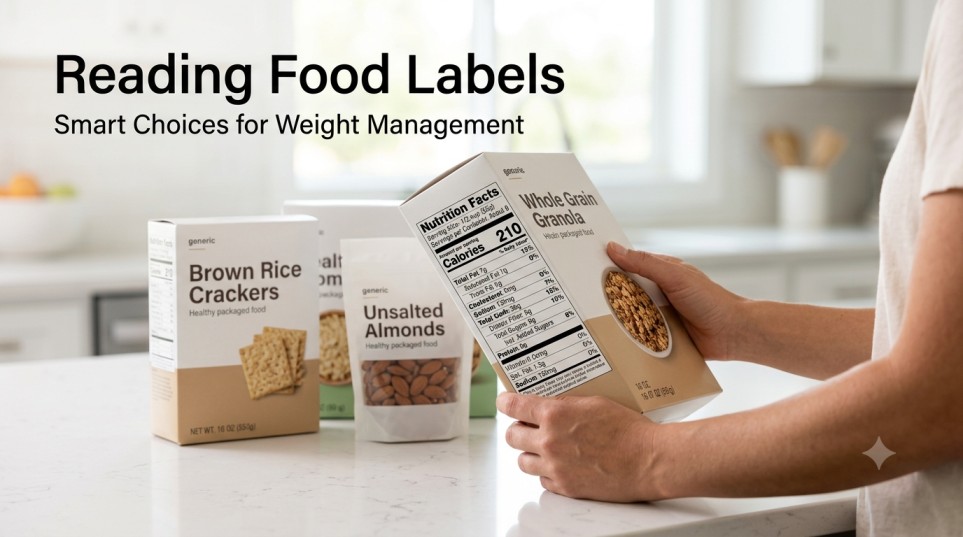
Food labels can help you make more informed choices, especially when comparing similar packaged foods. Instead of focusing on one number, look at the overall nutrition information and serving size.
When comparing products, pay attention to:
- Serving size and the number of servings per package
- Protein and dietary fiber
- Added sugars
- Saturated fat and sodium
- The overall ingredient list
For healthy food choices for weight loss, comparing similar products can help you select an option that better fits your nutritional needs and preferences. For example, you might compare two breakfast cereals or two types of yogurt based on protein, fiber, added sugar, and serving size rather than choosing solely because the package makes a health-related claim.
Food labels are a tool, not a requirement. Whole or minimally processed foods often do not require detailed label comparisons, and your overall eating pattern remains more important than finding the “perfect” packaged product.
Food quality is important, but understanding how your overall energy intake relates to weight change can provide additional context. Learn more in our guide to calorie deficit and how it works.
Practical Takeaways
Choosing nutritious foods can support healthy weight management, but you do not need to follow a perfect food list or completely eliminate foods you enjoy. A balanced approach is more realistic for long-term success.
Keep these points in mind:
- Build most meals around nutritious, minimally processed foods.
- Include a variety of protein sources, vegetables, fruits, whole grains, and other nutritious foods.
- Choose foods you enjoy so your eating pattern is easier to maintain.
- Pay attention to portion sizes, even when choosing nutritious foods.
- Use food labels when comparing similar packaged products.
- Allow flexibility rather than creating unnecessarily strict food rules.
- Focus on your overall eating pattern instead of searching for one “best” food.
The best foods for weight loss are ultimately those that provide useful nutrition, fit your individual needs, and can become part of an eating pattern you can maintain over time.
Frequently Asked Questions (FAQs)
Conclusion
Choosing nutritious foods can make healthy weight management more practical, but there is no single food that works for everyone. A varied eating pattern that includes protein-rich foods, vegetables, fruits, whole grains, legumes, and appropriate sources of healthy fats can provide a strong nutritional foundation.
Rather than following rigid food rules, focus on choices that fit your preferences, nutritional needs, budget, and daily routine. Paying attention to portions and the overall quality of your diet can also help you create an approach that is realistic over the long term.
The goal is not to eat perfectly. Building consistent, flexible eating habits can be a more sustainable way to support your weight-management goals.
If you have a medical condition, take medications that affect your appetite or weight, or have specific dietary requirements, consider speaking with a qualified healthcare professional or registered dietitian for individualized guidance.
Evidence & References
The information in this article is based on guidance from reputable health organizations and evidence-based resources. These references provide additional information about healthy eating, nutrition, and long-term weight management.
- National Institute of Diabetes and Digestive and Kidney Diseases (NIDDK): Health Tips for Adults — Provides guidance on healthy food choices, portions, physical activity, and maintaining a healthy weight.
- National Institute of Diabetes and Digestive and Kidney Diseases (NIDDK): Healthy Eating & Physical Activity for Life — Covers healthy eating patterns, nutritious foods and beverages, and lifestyle habits that can support long-term health.
- National Institute of Diabetes and Digestive and Kidney Diseases (NIDDK): Understanding Adult Overweight & Obesity — Explains healthy eating patterns and other factors involved in managing body weight and overall health.
- National Institute of Diabetes and Digestive and Kidney Diseases (NIDDK): Choosing a Safe & Successful Weight-Loss Program — Provides guidance on choosing realistic, safe, and sustainable approaches to weight management.
Medical Disclaimer
This article is for educational and general informational purposes only. It is not a substitute for professional medical advice, diagnosis, or treatment. Individual nutritional and weight-management needs vary. If you have a medical condition, take medications, are pregnant or breastfeeding, or have specific dietary concerns, consult a qualified healthcare professional or registered dietitian before making significant changes to your diet.
Image Disclaimer: Images are for illustrative and educational purposes only. They do not represent guaranteed weight-loss results, specific dietary outcomes, or medical advice.