

TRUSTED SOURCE | HEALTH TIPS | PRODUCT REVIEWS | LATEST EDITION
Can Earwax Cause Ringing in the Ears? Symptoms, Causes & What to Know
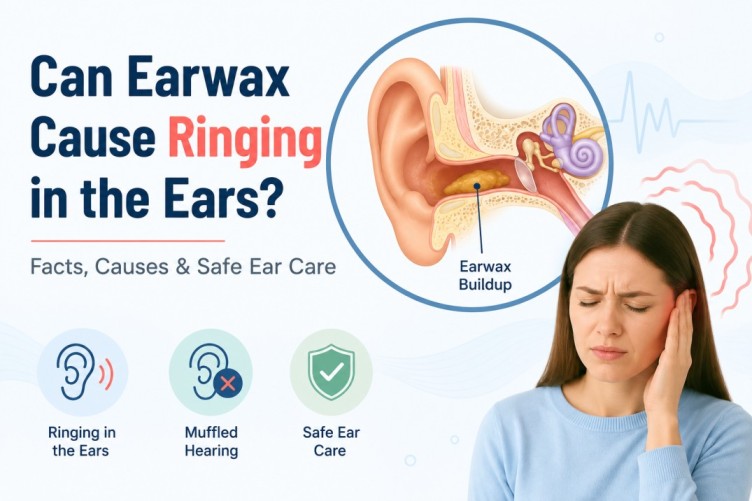
Can earwax cause ringing in the ears? It’s a common question many people ask after noticing unexpected buzzing, humming, or ringing sounds along with a feeling of fullness or blockage in one or both ears. Because earwax plays an important role in protecting the ear canal, it’s easy to assume that any buildup is harmless—but in some situations, excessive earwax may affect hearing comfort and deserve closer attention.
Understanding the difference between normal earwax and excessive buildup can help you make better decisions about ear care. Rather than trying unsafe cleaning methods, learning how earwax may influence hearing wellness and recognizing common warning signs is a safer first step.
In this guide, you’ll learn whether earwax can cause ringing in the ears, explore the symptoms that may be linked to earwax buildup, discover safe ear care practices, and understand when it’s appropriate to seek professional advice.
Affiliate Disclosure: Some links in this article may be affiliate links. If you make a purchase through these links, we may earn a small commission at no additional cost to you. This helps support our website and allows us to continue publishing free educational content. Our recommendations are based on independent research, and we encourage readers to evaluate products carefully before making any purchase.
How Can Earwax Affect Your Hearing?
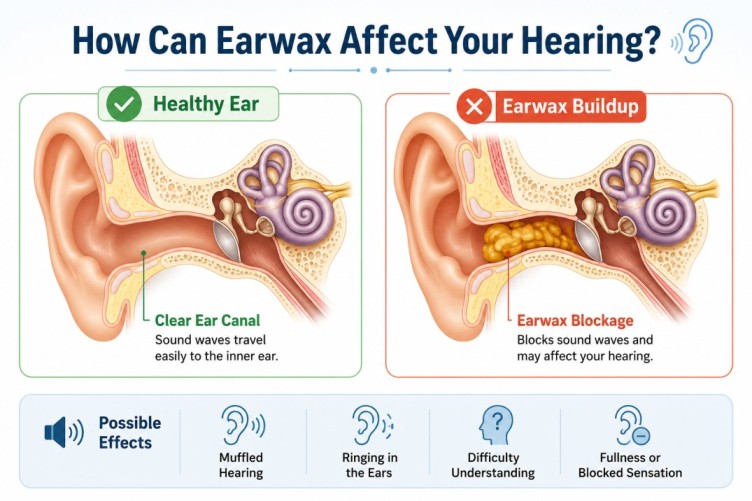
Earwax, also called cerumen, is a natural substance that helps protect the ear canal by trapping dust, debris, and other small particles before they reach deeper parts of the ear. Under normal circumstances, earwax gradually moves out of the ear on its own, helping keep the ear clean without requiring frequent removal.
However, when earwax builds up or becomes impacted, it may create a feeling of blockage that can temporarily affect hearing comfort. This is one reason people often ask, “Can earwax cause ringing in the ears?” In some situations, excessive earwax may be associated with symptoms such as muffled hearing, a sensation of fullness, or ringing sounds. Because similar symptoms can also have other possible causes, it’s important not to assume that earwax is always responsible.
Understanding how earwax functions and recognizing when buildup may become excessive can help you make informed decisions about ear care and hearing wellness. Rather than removing earwax unnecessarily, following safe ear hygiene practices is generally the best approach for maintaining healthy ears.
📖 Learn What Causes Ringing in the Ears: Discover the most common factors that may contribute to persistent ear ringing and hearing changes.
Common Signs That Earwax May Be Affecting Your Ears
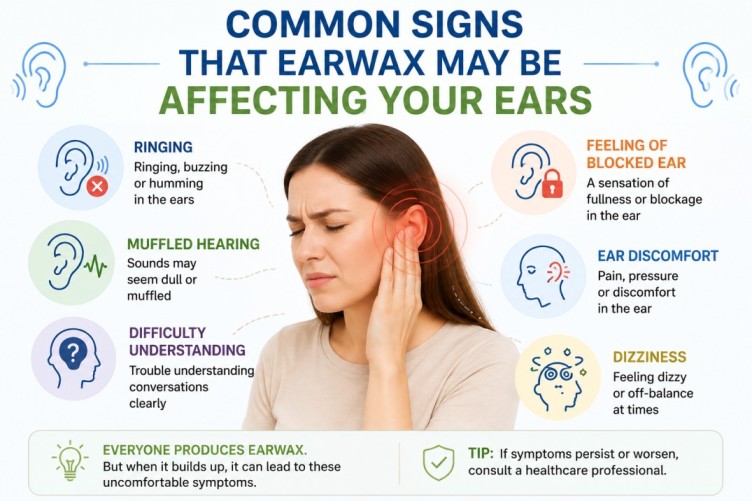
Excessive earwax does not always cause noticeable problems. However, when earwax builds up or becomes impacted, some people may experience changes in hearing comfort or other temporary symptoms. If you’ve been wondering can earwax cause ringing in the ears, recognizing these common signs can help you better understand whether earwax buildup might be contributing to what you’re experiencing. Keep in mind that similar symptoms can also occur for other reasons, so self-diagnosis should always be approached with caution.
Ringing or Buzzing Sounds
One of the most common questions people ask is whether earwax buildup can cause ringing in the ears. In some situations, excessive earwax may be associated with temporary ringing, buzzing, or humming sounds. Because these noises can have many possible causes, they should not automatically be linked to earwax alone.
Muffled or Reduced Hearing
A noticeable decrease in hearing clarity may occur when earwax partially blocks the ear canal. Some people describe this as hearing sounds as though they are distant or muffled. Changes in hearing should always be evaluated carefully, especially if they persist.
A Feeling of Fullness in the Ear
Impacted earwax may create a sensation that the ear is blocked or full. This feeling can sometimes make everyday conversations or surrounding sounds seem less clear than usual.
Mild Ear Discomfort
Although earwax itself is a normal part of ear health, excessive buildup may occasionally lead to mild discomfort or irritation. Persistent pain or severe discomfort should not be assumed to be caused by earwax alone.
Temporary Changes in Hearing Comfort
Some individuals notice that hearing seems different throughout the day, particularly if earwax shifts within the ear canal. These temporary changes may improve or worsen depending on the amount and position of the earwax.
Understanding these common signs can help you recognize when earwax buildup may deserve closer attention. Rather than attempting aggressive ear cleaning at home, following safe ear care practices and seeking professional advice when necessary is generally the safest approach for protecting your hearing wellness.
📖 Separate Tinnitus Myths From Facts: Understand common misconceptions, realistic expectations, and what current evidence says about tinnitus.
Can Removing Earwax Help Reduce Ringing in the Ears?
If you’re asking can earwax cause ringing in the ears, it’s also natural to wonder whether removing earwax might reduce the ringing. The answer depends on whether earwax buildup is actually contributing to the symptoms. If excessive or impacted earwax is one of the possible reasons behind temporary ringing, appropriate earwax removal may improve hearing comfort for some individuals.
However, while earwax buildup may contribute in some situations, ringing in the ears can also occur for many other reasons. If the ringing continues after earwax has been removed or returns repeatedly, another underlying cause may be involved. For this reason, it’s important to avoid assuming that earwax removal will always resolve the problem.
The safest approach is to avoid inserting cotton swabs or other objects into the ear canal in an attempt to remove earwax yourself. If you suspect excessive earwax is affecting your hearing, a qualified healthcare professional can assess the situation and recommend the most appropriate next steps based on your individual needs.
Rather than focusing on a quick solution, understanding the possible relationship between earwax and tinnitus can help you make informed decisions about ear care while supporting your long-term hearing wellness.
Learn more about earwax buildup and safe ear care from the American Academy of Family Physicians.
Safe Ways to Manage Earwax Buildup
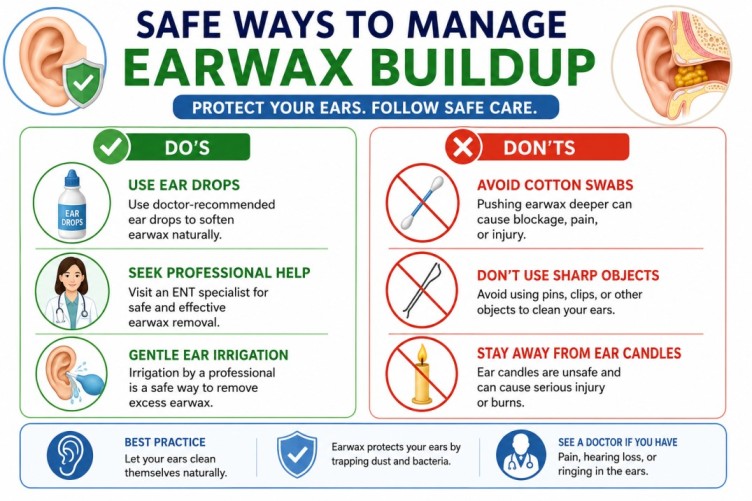
However, if you suspect earwax buildup, choosing safe ear care practices is important. People searching can earwax cause ringing in the ears often look for quick home solutions, but protecting the ear canal should always come before attempting to remove earwax yourself.
The following habits may help support healthy ear care while reducing the risk of unnecessary irritation or injury.
Let Your Ears Clean Themselves Naturally
For most people, earwax gradually moves out of the ear canal without any special cleaning. Removing earwax too often may interfere with this natural process and reduce the ear’s normal protective barrier.
Avoid Using Cotton Swabs
Cotton swabs may push earwax deeper into the ear canal instead of removing it. This can increase the chance of impacted earwax and make symptoms such as muffled hearing or a feeling of blockage more noticeable.
Use Ear Drops Only as Directed
Some over-the-counter ear drops are designed to soften earwax before removal. Because individual situations vary, it’s important to read the product instructions carefully and consult a qualified healthcare professional if you’re unsure whether they are appropriate for you.
Consider Professional Ear Cleaning When Needed
If excessive earwax is suspected, professional assessment and removal may be the safest option. Healthcare professionals have appropriate tools and techniques that help reduce the risk of damaging the ear canal.
Protect Your Overall Ear Health
Good hearing habits—such as avoiding unnecessary ear cleaning, protecting your ears from excessive noise, and paying attention to persistent hearing changes—can support long-term hearing wellness and healthy ear care.
Maintaining safe ear care habits is often more beneficial than trying aggressive home remedies. If you continue to wonder can earwax cause ringing in the ears after managing earwax safely, it’s worth discussing your symptoms with a qualified healthcare professional to determine whether another possible cause should be considered.
Learn more about earwax buildup and safe ear care from the NHS.
Supporting Healthy Ear Care Habits
Healthy ears often require simple, consistent care rather than frequent cleaning. While many people focus only on removing earwax, everyday habits also play an important role in supporting ear health and hearing wellness. If you’ve been researching can earwax cause ringing in the ears, adopting safe ear care practices may help reduce unnecessary irritation while protecting your ears over time.
Clean Only the Outer Ear
The outer ear can be gently cleaned with a soft, damp cloth during your regular hygiene routine. Avoid inserting objects into the ear canal, as this may push earwax deeper instead of removing it.
Protect Your Ears Around Loud Sounds
Regular exposure to loud environments may affect long-term hearing health. Wearing appropriate hearing protection when needed is a simple habit that supports healthy ears, regardless of whether earwax is present.
Pay Attention to Hearing Changes
Temporary muffled hearing, a blocked sensation, or changes in hearing clarity should not be ignored if they continue or become more noticeable. Monitoring these changes can help you decide when professional evaluation may be appropriate.
Avoid Unnecessary Ear Cleaning
Because earwax serves as a natural protective barrier, cleaning the ears too frequently is usually unnecessary. In many cases, allowing the ears to manage earwax naturally is the safest approach.
Choose Reliable Ear Care Information
Not every ear care tip shared online is supported by reliable health guidance. Learning from trusted sources and following evidence-informed recommendations can help you make safer decisions about your hearing wellness.
Developing healthy ear care habits doesn’t require complicated routines. Small, consistent practices that respect the ear’s natural protective functions can support long-term hearing wellness while reducing the likelihood of unnecessary ear irritation. If you continue wondering can earwax cause ringing in the ears, or your symptoms persist despite safe ear care, seeking advice from a qualified healthcare professional is the most appropriate next step
📖 Explore Natural Ways to Support Hearing Wellness: Learn practical lifestyle habits that may help support long-term ear and hearing health.
Final Verdict
So, can earwax cause ringing in the ears? In some situations, excessive or impacted earwax may be associated with temporary ringing, muffled hearing, or a feeling of fullness. However, earwax is not the only possible explanation, and similar symptoms can have a variety of other causes.
The best approach is to avoid unnecessary ear cleaning, follow safe ear care habits, and pay attention to any persistent changes in your hearing. Understanding how earwax naturally protects the ear while recognizing when buildup may require attention can help you make informed decisions about your long-term hearing wellness.
If ear ringing continues, becomes more noticeable, or is accompanied by other concerning symptoms, seeking advice from a qualified healthcare professional is the safest next step. Combining reliable information with healthy ear care practices can help support better hearing health over time.
📖 Compare Popular Hearing Support Formulas: Read detailed ingredient breakdowns, pricing information, benefits, and customer experiences before making a purchase decision.
Frequently Asked Questions
- Can earwax cause ringing in the ears?
Yes, earwax buildup may be associated with temporary ringing in the ears for some people, particularly if it blocks part of the ear canal. However, ringing in the ears can have many possible causes, so earwax is not always the reason.
- How do I know if earwax is causing ringing in my ears?
If ringing in the ears occurs along with symptoms such as muffled hearing, a blocked sensation, or excessive earwax, it may be worth considering whether earwax buildup is contributing. A qualified healthcare professional can help determine the underlying cause.
- Can removing earwax stop ringing in the ears?
If excessive or impacted earwax is contributing to the symptoms, appropriate earwax removal may improve hearing comfort for some individuals. However, because ringing in the ears can have different possible causes, removing earwax may not resolve every case.
- Is it safe to remove earwax at home?
The ears usually clean themselves naturally, so frequent ear cleaning is often unnecessary. Avoid inserting cotton swabs or sharp objects into the ear canal, as they may push earwax deeper or irritate the ear. If you suspect excessive earwax buildup, professional guidance is generally the safest option.
- When should I seek medical advice for earwax and ringing in the ears?
If ringing in the ears persists, becomes worse, returns frequently, or is accompanied by noticeable hearing changes, ear pain, dizziness, or fluid drainage, it’s important to consult a qualified healthcare professional for an appropriate evaluation.
Looking for a Hearing Wellness Supplement?
If you’re considering a hearing support supplement, compare ingredients, customer reviews, pricing, and product details before deciding which option best fits your needs.
Medical Disclaimer
This article is provided for educational and informational purposes only and should not be considered medical advice, diagnosis, or treatment. Earwax buildup and ringing in the ears can have different possible causes, and individual experiences may vary. Always consult a qualified healthcare professional if you have persistent, worsening, or concerning ear or hearing symptoms before starting any new treatment, supplement, or ear care routine.
Image Disclaimer
The images, illustrations, icons, and infographics used in this article are intended for educational and visual reference purposes only. They do not represent medical diagnoses, treatment outcomes, or individual health conditions and should not be used as a substitute for professional healthcare advice.
Excellent information!
Thanks a lot