

TRUSTED SOURCE | HEALTH TIPS | PRODUCT REVIEWS | LATEST EDITION
How to Keep Your Gums Healthy: Signs, Causes & Daily Care Tips
Healthy gums do more than support your teeth—they are an important part of your overall oral health. The good news is that caring for your gums does not require a complicated routine. Understanding the early signs of gum problems and building consistent daily habits can help you maintain healthier gums over time.
Learning how to keep your gums healthy starts with more than simply brushing your teeth. Your gums can be affected by plaque buildup, tobacco use, dietary habits, oral hygiene practices, certain health conditions, and other individual risk factors.
Early gum problems may sometimes cause noticeable changes such as redness, swelling, tenderness, or bleeding. However, some gum conditions can develop without obvious symptoms, which is why regular dental care remains important.
In this guide, we’ll look at practical, evidence-based ways to support healthy gums, common factors that can affect gum health, warning signs worth paying attention to, and when professional dental care may be appropriate.
Affiliate Disclaimer: This article may contain affiliate links. If you choose to purchase a product through one of these links, we may earn a commission at no additional cost to you. Our goal is to provide helpful, honest, and educational information to help you make informed decisions. Any product mentioned or linked to on this website should be evaluated based on its ingredients, intended use, and your individual needs. We do not guarantee specific results from any product.
👉🏼 If you’re also exploring products marketed for oral care, you can read our ProDentim review for a closer look at its ingredients, claims, and available evidence.
What Healthy Gums Should Look and Feel Like
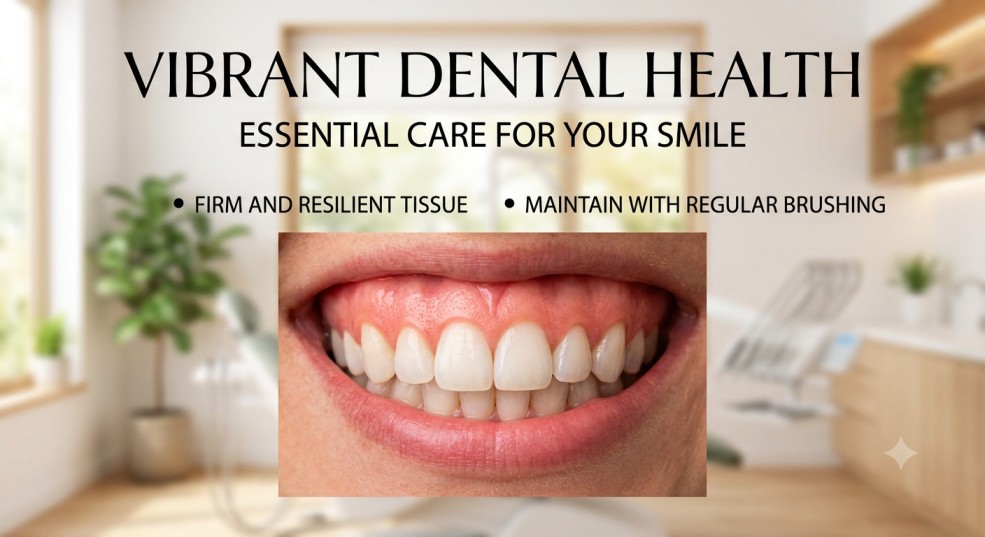
Before learning how to keep your gums healthy, it helps to understand what healthy gums generally look and feel like. Healthy gums typically fit snugly around the teeth and should not normally appear persistently swollen, tender, or bleed during routine brushing or cleaning between the teeth.
The appearance of gums can vary naturally from person to person, including differences in color. However, ongoing changes such as swollen or bleeding gums, persistent redness, tenderness, or gums that appear to be pulling away from the teeth can be signs that your gums need professional attention.
It is also worth remembering that the absence of noticeable symptoms does not always mean that your gums are completely healthy. Some gum problems may develop gradually without causing significant discomfort at first.
Signs of healthy gums
- Gums that fit closely around the teeth
- Little to no bleeding during routine oral care
- No persistent swelling or tenderness
- No ongoing gum discomfort
- No noticeable changes that continue or worsen
Understanding your usual gum appearance can make it easier to notice changes early. However, a dentist is best equipped to determine whether your gums are healthy through a professional examination.
👉🏼 Healthy gums are an important part of overall oral health. For a broader guide to building healthy daily habits, see our guide on how to improve oral health.
Common Causes of Gum Problems
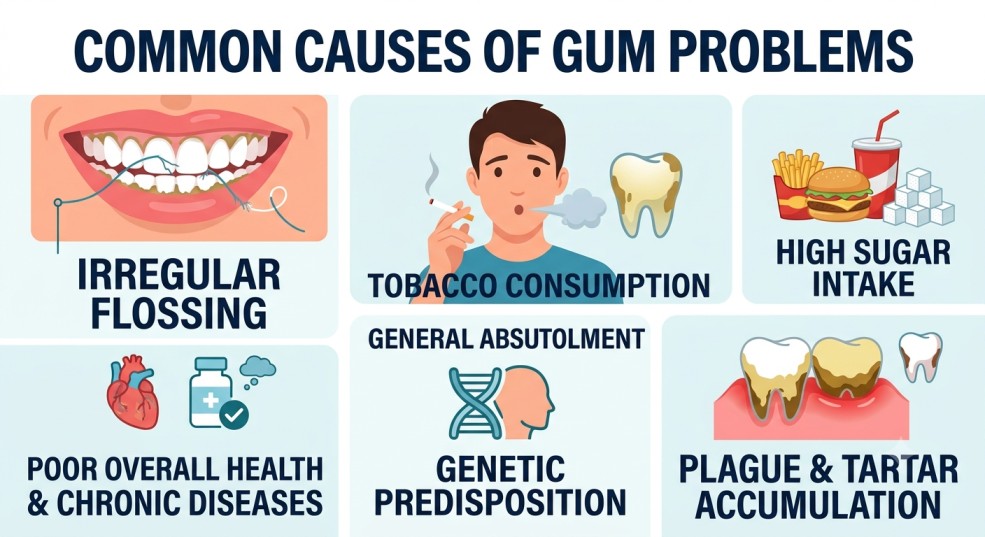
One of the most important parts of learning how to keep your gums healthy is understanding what can put them at risk. Gum problems often begin when plaque, a sticky film containing bacteria, is not removed regularly. Over time, plaque can harden into tartar, which can irritate the gums and contribute to gum disease.
Several factors can increase the likelihood of developing gum inflammation and gum disease, including:
- Inconsistent brushing and cleaning between the teeth
- Tobacco use, which is a significant risk factor for gum disease
- Certain health conditions, medications, and hormonal changes
- Genetic factors and individual susceptibility
- Plaque and tartar buildup along or below the gumline
Smoking is particularly important because it can increase the risk of periodontal disease and may also make treatment less successful.
Understanding these risk factors can help you make more informed choices about daily gum care and recognize when professional dental advice may be appropriate.
Daily Habits That Support Healthy Gums
Learning how to keep your gums healthy starts with consistent daily care. The goal is not to follow a complicated routine, but to reduce plaque buildup and give your gums the regular care they need.
Brush Gently Along the Gumline
Brush your teeth twice a day with fluoride toothpaste and use a soft-bristled toothbrush. Pay attention to the area where the teeth meet the gums, but avoid aggressive scrubbing that may irritate the gum tissue.
Brushing alone cannot effectively clean every area between your teeth. Daily flossing or another suitable interdental cleaning method can help remove plaque and food debris from these harder-to-reach spaces.
Avoid Tobacco
Tobacco use is an important risk factor for gum disease. Avoiding cigarettes and other tobacco products can support better gum health and oral hygiene and may also improve the mouth’s ability to respond to periodontal treatment.
Keep Up With Professional Dental Care
Regular dental visits allow a dentist to check your gums and identify plaque, tartar, inflammation, or other concerns that may not be obvious during your normal routine.
Consistency matters more than complexity. A simple routine practiced every day can provide a practical foundation for daily gum care and help you maintain healthier gums over time.
Early Signs of Gum Problems You Should Know
Knowing the early signs of gum problems can help you decide when it may be worth seeking professional dental advice. Gum problems do not always cause severe pain at first, so paying attention to changes in your mouth can be useful.
Some common warning signs include:
- Bleeding gums during brushing or cleaning between your teeth
- Gums that look persistently red or swollen
- Gum tenderness or discomfort
- Persistent bad breath
- Gums that appear to pull away from the teeth
- Loose or shifting teeth
- Changes in the way your teeth fit together when you bite
Occasional bleeding may have different causes, but persistent bleeding gums should not simply be ignored. Similarly, swelling, pain, loose teeth, or other changes that continue or become worse deserve professional evaluation.
Recognizing these signs does not mean you can diagnose gum disease yourself. Instead, they can be reasons to speak with a dentist, who can examine your gums and determine whether further care is needed.
How Diet and Lifestyle Can Affect Gum Health
Daily oral hygiene is important, but your gums are also influenced by broader dietary and lifestyle habits. A balanced eating pattern can provide nutrients that support normal tissue health, while certain habits may increase the risk of gum problems.
Choose a Balanced Diet
Rather than focusing on individual “gum-healing” foods, aim for an overall balanced diet that includes vegetables, fruits, whole grains, lean protein sources, and other nutrient-rich foods. Good nutrition supports your body’s normal functions, including the tissues that make up the gums.
Limit Tobacco Exposure
Smoking and other tobacco use are well-established risk factors for periodontal disease. Avoiding tobacco is therefore an important part of protecting your gums from disease and supporting long-term oral health.
Manage Habits That Affect Oral Care
Busy schedules, inconsistent brushing, frequent snacking, or skipping dental visits can make it harder to maintain good gum health. Building realistic routines around brushing, interdental cleaning, and professional dental care can make healthy habits easier to maintain.
The goal is not to find a single food or lifestyle change that guarantees healthy gums. Instead, focus on consistent habits that support long-term gum health as part of your overall approach to oral care.
When Should You See a Dentist About Your Gums?
Knowing how to keep your gums healthy also means knowing when daily care may not be enough. Some gum changes can be managed with improved oral hygiene, while persistent or worsening symptoms may require a professional evaluation.
Consider making a dental appointment if you notice:
- Bleeding that continues during routine brushing or interdental cleaning
- Persistent gum swelling, redness, or tenderness
- Gums that appear to recede or pull away from your teeth
- Persistent bad breath or an unpleasant taste
- Loose or shifting teeth
- Pain or discomfort around the gums or teeth
A dentist can examine your gums, check for plaque or tartar buildup, assess the condition of the tissues around your teeth, and determine whether additional treatment is appropriate.
You should also avoid delaying care simply because a symptom is mild. Persistent gum problems can sometimes progress without causing severe discomfort at first. Getting an evaluation can help identify the cause and guide the next steps.
The right treatment depends on what is affecting your gums, so avoid relying on home remedies or supplements as a substitute for a professional examination.
How to Maintain Healthy Gums as You Get Older
Gum health can change over time, which makes consistent oral care important at every stage of adulthood. Older adults may experience factors such as dry mouth, medication-related changes, or difficulty maintaining their usual brushing and interdental-cleaning routine.
For healthy gums as you age, focus on maintaining the basic habits that support your oral health:
- Continue brushing twice daily with fluoride toothpaste.
- Clean between your teeth every day.
- Drink water regularly and discuss persistent dry mouth with a healthcare professional.
- Keep dental appointments based on your individual needs.
- Pay attention to changes in your gums, teeth, or mouth.
- Review medications with your healthcare professional if you experience ongoing dry mouth.
Aging does not automatically mean you will develop gum disease. However, changing health needs can make individualized dental care increasingly important. Maintaining a consistent routine and discussing new concerns with your dentist can help support long-term gum health.
What Happens If Gum Problems Are Left Unchecked?
Not every change in your gums means you have gum disease, but persistent symptoms should not be ignored. When inflammation continues, gum disease can affect the tissues that support the teeth and may become more difficult to manage without professional care.
Early gum inflammation may involve symptoms such as redness, swelling, or bleeding. In more advanced periodontal disease, the tissues and bone supporting the teeth can become affected, potentially contributing to loose teeth or tooth loss.
This is why understanding how to keep your gums healthy is not only about preventing discomfort. It is also about recognizing persistent changes early and getting appropriate dental care when needed.
Good daily oral hygiene can help reduce plaque buildup, but professional evaluation is important when symptoms continue, worsen, or are accompanied by pain, loose teeth, or other concerning changes.
Practical Takeaways for Healthier Gums
Learning how to keep your gums healthy becomes much easier when you focus on a few consistent habits rather than trying to follow a complicated routine.
Keep these practical points in mind:
- Brush your teeth twice a day with fluoride toothpaste and a soft-bristled toothbrush.
- Clean between your teeth every day using floss or another suitable interdental cleaner.
- Avoid tobacco products.
- Choose a balanced diet and limit habits that may negatively affect your oral health.
- Keep regular dental appointments based on your individual needs.
- Pay attention to persistent bleeding, swelling, tenderness, pain, or other unusual changes.
- Do not rely on home remedies or supplements as a replacement for professional dental care.
The goal is consistent gum care, not perfection. Small habits practiced regularly can help support healthier gums and make it easier to notice changes that may need professional attention.
Frequently Asked Questions (FAQs)
Conclusion
Learning how to keep your gums healthy is mainly about consistent everyday care rather than finding a single solution. Brushing twice daily with fluoride toothpaste, cleaning between your teeth, avoiding tobacco, maintaining a balanced diet, and keeping appropriate dental appointments can all support long-term gum health.
It is equally important to recognize changes such as persistent bleeding, swelling, tenderness, pain, or loose teeth. These symptoms do not necessarily mean you have gum disease, but ongoing or worsening changes should be evaluated by a dentist.
Healthy gums are an important part of maintaining your overall oral health. By building practical habits and seeking professional care when needed, you can give your gums the attention they need throughout different stages of life.
Evidence & References
The information in this article is based on guidance from the National Institute of Dental and Craniofacial Research (NIDCR) and the American Dental Association (ADA). These organizations provide evidence-based information on gum disease, daily oral care, risk factors, warning signs, and professional dental care.
The NIDCR explains that periodontal disease is associated with plaque buildup and identifies symptoms such as red, swollen, tender, or bleeding gums, persistent bad breath, gum recession, loose teeth, and pain when chewing. It also identifies smoking as a major risk factor and recommends brushing twice daily, cleaning between the teeth, routine dental visits, and quitting smoking. (NIDCR)
The ADA states that its home oral-care recommendations are based on clinical studies and systematic reviews. Its guidance supports twice-daily brushing with fluoride toothpaste, daily interdental cleaning, healthy dietary habits, tobacco cessation, and regular dental care, while also emphasizing that recommendations may need to be tailored to individual needs. (Ada Association)
Authoritative Sources
- National Institute of Dental and Craniofacial Research (NIDCR) — Periodontal (Gum) Disease: Causes, risk factors, symptoms, diagnosis, treatment, and helpful prevention guidance.
- American Dental Association (ADA) — Home Oral Care: Evidence-based recommendations for reducing the risk of gum disease and maintaining oral health.
- American Dental Association (ADA) — Dental Floss/Interdental Cleaners: Evidence and guidance on cleaning between teeth and supporting gum health.
This information is intended for general education. Individual gum-health needs can vary, so persistent or concerning symptoms should be evaluated by a qualified dental professional.
Medical Disclaimer
The information provided in this article is for educational and general informational purposes only. It is not intended to diagnose, treat, cure, or prevent any disease or medical condition, and it should not be considered a substitute for professional dental or medical advice.
If you have persistent gum bleeding, swelling, pain, receding gums, loose teeth, or other concerning oral health symptoms, consult a qualified dentist or healthcare professional for appropriate evaluation and care.
Image Disclaimer
Some images used in this article may be AI-generated or illustrative and are intended for educational and visual purposes only. They may not represent exact clinical conditions or real patient outcomes.