

TRUSTED SOURCE | HEALTH TIPS | PRODUCT REVIEWS | LATEST EDITION
Human Ear Regeneration Science: Can Human Ears Really Heal? (2026)
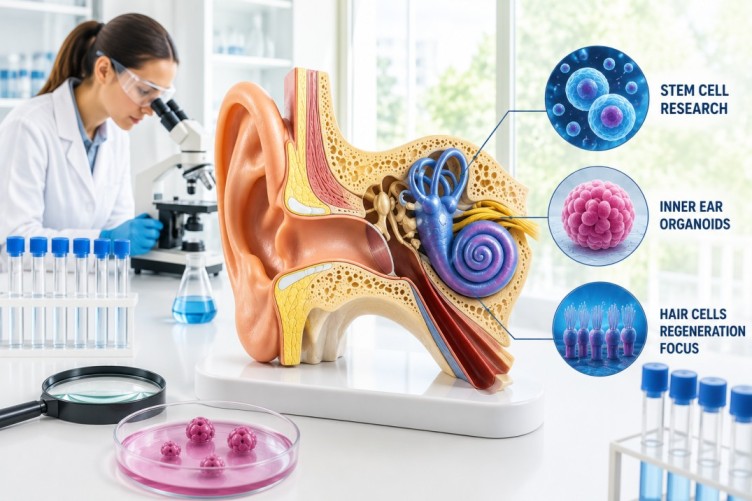
The human ear is an architectural marvel of nature, yet it possesses a frustrating biological limitation: unlike some other species, our inner ear cells do not naturally repair or replace themselves once damaged. This limited regenerative capacity helps explain why certain types of hearing damage may become long-lasting and why some individuals may experience persistent hearing-related symptoms, including tinnitus.
For decades, the complexity of the inner ear made it nearly impossible for researchers to develop effective solutions, but we are now entering a new era of auditory science. Recent breakthroughs in “organoid” technology—essentially creating miniature models of human organs—are helping scientists to study ear cell behavior in ways never before possible.
In this article, we will explore the latest findings from peer-reviewed research indexed in Pubmed and NCBI to understand why our ears struggle to heal and what the future of auditory health looks like. By understanding the biological basis of our hearing, we can better appreciate the importance of making informed decisions about hearing health, science-backed lifestyle choices.
Explore our complete guide to the common causes of tinnitus to learn about the many factors that may affect hearing.
The Biological Mystery: Why Human Ear Regeneration Science is So Complex
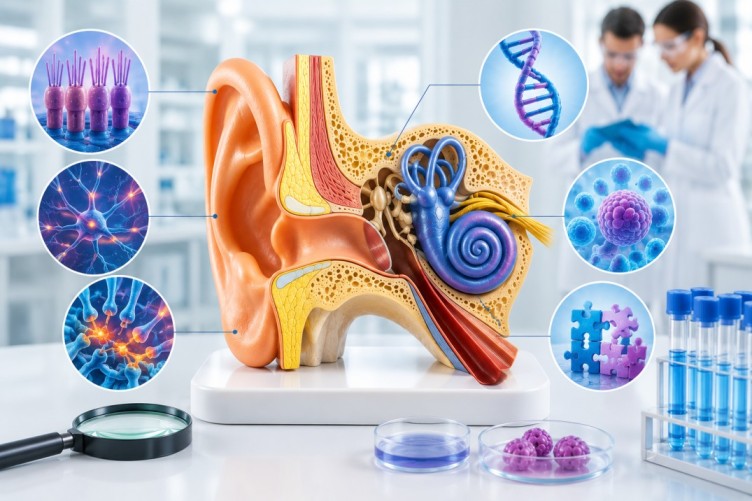
When we suffer a skin injury, our body naturally produces new cells to help repair the damaged tissue. However, current research in Human Ear Regeneration Science suggests that the delicate sensory cells within the inner ear—known as hair cells—do not regenerate in the same way as many other cells in the human body.
Recent peer-reviewed studies indexed in Pubmed and NCBI indicates that the unique structure and limited accessibility of the inner ear make regeneration particularly challenging. Researchers continue to investigate several biological factors that may explain this limited regenerative capacity, including the following:
Highly Specialized Hair Cells
Inner ear hair cells play a critical role in converting sound vibrations into electrical signals that the brain can interpret. Unlike many other cell types, these specialized cells have very limited ability to regenerate after damage, which may contribute to long-term hearing difficulties depending on the type and extent of the injury.
Limited Research Models
For many years, one of the biggest challenges in Human Ear Regeneration Science was the lack of reliable laboratory models. Without accurate ways to study living human inner ear tissue, researchers had limited opportunities to investigate how these delicate cells develop, function, and respond to damage.
These scientific challenges explain why recent advances—particularly the development of inner ear organoids—have attracted significant attention within the research community. By creating miniature laboratory models that closely resemble parts of the human inner ear, scientists can now investigate regeneration in ways that were previously not possible, providing researchers with new opportunities to better understand how the inner ear develops and responds to damage.
Because many different factors may contribute to hearing-related symptoms, understanding the broader causes of tinnitus can provide helpful context alongside emerging ear regeneration research. Explore our guide to the common causes of tinnitus to learn more about the factors that may affect hearing health.
Learn how stress may affect ear ringing and overall hearing wellness in our detailed evidence-based guide.
The Breakthrough: How Human Ear Regeneration Science Is Using Organoids
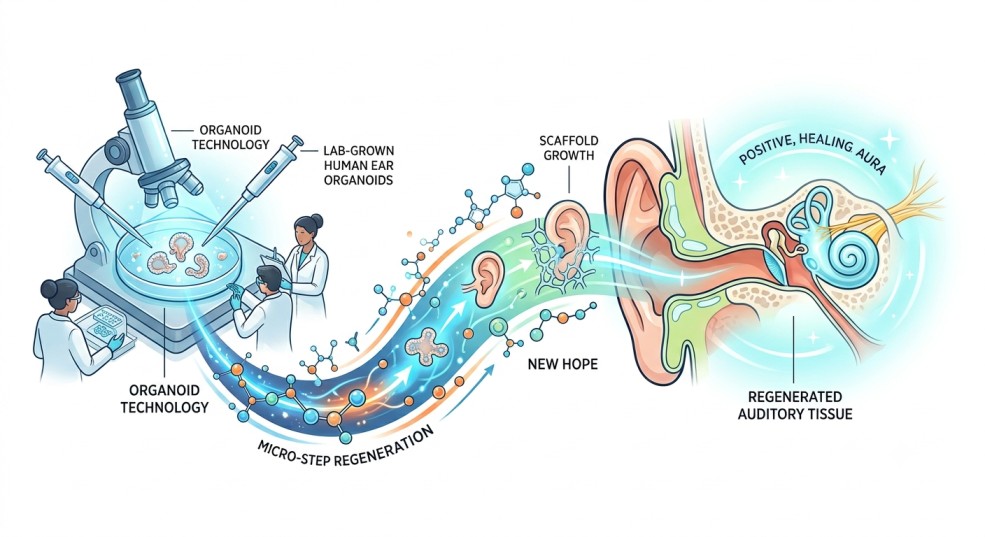
One of the most significant advances in Human Ear Regeneration Science has been the development of stem cell-derived organoids. These are three-dimensional (3D) laboratory-grown models that closely resemble parts of the human inner ear. Recent peer-reviewed research suggests that organoids created from pluripotent stem cells provide one of the most promising ways to study how inner ear cells develop, function, and respond to damage under controlled laboratory conditions.
Why is this advancement considered so important?
Overcoming Limited Access to the Inner Ear
Because obtaining living human inner ear tissue is extremely difficult, organoids provide researchers with a practical laboratory model for investigating hair cell damage and other hearing-related biological processes without placing patients at risk.
Supporting Future Research
Scientists can now use these miniature inner ear models to investigate how different biological pathways, genes, and potential therapeutic compounds influence hair cell development, function, and survival. This allows researchers to better understand the mechanisms behind hearing loss and tinnitus while evaluating possible directions for future research.
Rather than providing an immediate treatment, organoid technology gives researchers a powerful new tool for studying the biology of the human inner ear. As research continues, these laboratory models may contribute to a deeper understanding of hearing disorders and help guide the development of future evidence-based therapies.
Our guide explains why tinnitus often seems louder at night and the factors that may contribute to this experience.
Beyond the Lab: Practical Steps That May Support Hearing Wellness
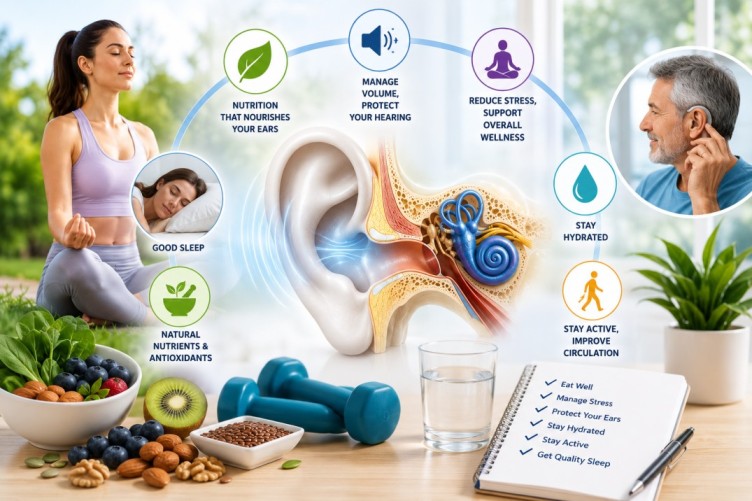
While the future of Human Ear Regeneration Science continues to evolve through advanced laboratory research, there are practical steps you can take today to help support your overall hearing health. Although these habits cannot regenerate damaged hair cells, they may contribute to protecting your hearing and reducing unnecessary risk factors over time.
Current research suggests that maintaining healthy lifestyle habits—including protecting your ears from excessive noise, managing long-term stress, getting adequate sleep, and following a balanced diet—plays an important role in supporting overall auditory well-being. Researchers also continue to investigate how oxidative stress may influence inner ear health, making preventive care an important area of ongoing interest.
If you are currently seeking ear ringing relief or looking for ways to stop tinnitus naturally, modern research suggests that proactive protection is just as important as future cures. According to insights from the National Library of Medicine, oxidative stress is a major contributor to hair cell loss.
Support a Healthy Lifestyle
Focusing on nutritious eating patterns, regular physical activity, quality sleep, and avoiding excessive noise exposure may help support your overall hearing wellness. While these habits are not treatments for hearing loss or tinnitus, they are widely recognized as part of a healthy lifestyle.
Continue Following Emerging Research
Scientists are actively studying how antioxidants, stem cell technologies, and regenerative medicine may contribute to future hearing research. Although these areas remain under investigation, staying informed through evidence-based information can help you better understand future developments in hearing science.
To support long-term hearing wellness, consider these evidence-informed habits:
Protect Your Hearing from Loud Noise: Limiting exposure to loud environments and using appropriate hearing protection when necessary remains one of the most effective ways to support long-term hearing health.
Follow a Nutrient-Rich Diet: A balanced eating pattern that includes a variety of fruits, vegetables, whole grains, lean proteins, and healthy fats provides nutrients that support overall health, including normal body functions involved in hearing.
Prioritize Healthy Lifestyle Habits: Managing stress, staying physically active, getting adequate sleep, and avoiding smoking may contribute to better overall well-being, which is an important part of maintaining hearing health.
Stay Informed About Emerging Research: Scientists continue to investigate antioxidants, regenerative medicine, and other promising areas of hearing research. While these developments are encouraging, they are still being studied and should not be viewed as established treatments.
Our detailed guide explains what current evidence says about whether tinnitus can be cured.
Final Verdict
The growing field of Human Ear Regeneration Science is transforming how researchers understand hearing loss and inner ear biology. Although scientists have made remarkable progress through technologies such as stem cell-derived organoids, regenerative treatments for routine clinical use are still under active investigation.
Current evidence highlights an important reality: protecting your hearing today remains just as valuable as following tomorrow’s scientific breakthroughs. Limiting excessive noise exposure, maintaining healthy lifestyle habits, and staying informed through evidence-based research are practical steps that support long-term hearing wellness.
As research continues to evolve, Human Ear Regeneration Science offers hope for a deeper understanding of hearing disorders while reminding us that prevention and hearing care remain essential parts of lifelong auditory health.
Explore how earwax buildup may contribute to temporary ear ringing in some individuals.
Frequently Asked Questions (FAQs)
Scientific Sources
- Data sourced from the National Center for Biotechnology Information (NCBI).
- Research papers on inner ear regeneration via PubMed.
Medical Disclaimer
The information provided in this article, including insights into Human Ear Regeneration Science, is for educational and informational purposes only and is not intended as medical advice. While we reference studies from PubMed and the NCBI, this content should not be used to diagnose, treat, or prevent any hearing-related conditions. Always seek the advice of a qualified physician or audiologist with any questions you may have regarding a medical condition or before starting any new supplements for ear health. Never disregard professional medical advice because of something you have read on this blog.
Image Disclaimer
This illustration is for educational and informational purposes only. It is a conceptual representation and should not be interpreted as medical advice, a diagnostic tool, or scientific evidence. The visuals do not depict actual clinical findings or guarantee specific health outcomes.